Info Hot Job Find your dream job! Get for jobs, post your resume, compare salaries and find career advice and research.
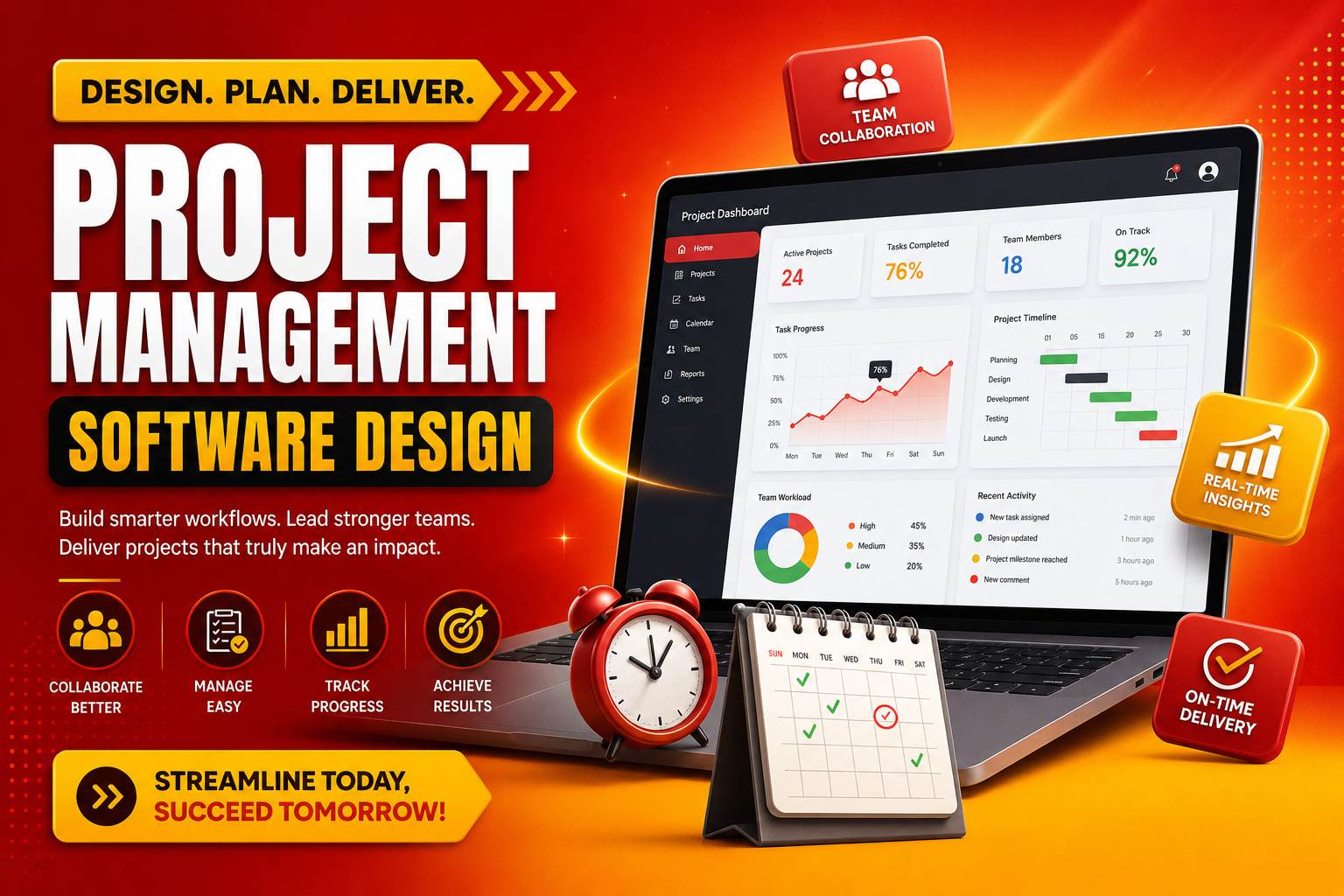
Project Management Software Design has become one of the most valuable skills in today’s technology-driven workplace. Companies no longer look for professionals who can simply manage schedules or assign tasks. They want people who understand how project workflows, user experience, collaboration, and software functionality come together to deliver successful results.
As organizations continue to adopt digital transformation, project managers, product designers, UX specialists, and software developers are expected to work within integrated platforms that simplify communication and improve productivity. This shift has created new career opportunities for professionals who understand Project Management Software Design and know how to apply it effectively.
Whether you’re entering the field or planning your next career move, mastering modern project management platforms can make your resume far more competitive.
Why Project Management Software Design Matters in Modern Careers
Project Management Software Design is much more than selecting a digital tool. It focuses on creating efficient workflows that help teams organize projects, monitor progress, manage resources, and communicate without unnecessary delays.
Today’s employers value candidates who understand how software supports every phase of a project lifecycle. From planning and budgeting to testing and final delivery, well-designed project management systems reduce human error while improving transparency.
Companies hiring project managers often expect experience with collaborative platforms that combine task management, file sharing, scheduling, reporting, and performance tracking. These systems help departments stay aligned even when employees work remotely across multiple time zones.
Professionals who understand software design principles also communicate better with developers, designers, executives, and stakeholders. Instead of simply following project timelines, they actively improve business processes.
The demand continues to grow because businesses recognize that inefficient project management directly impacts profitability. Missed deadlines, unclear responsibilities, and poor collaboration cost organizations significant amounts of money each year.
For job seekers, demonstrating practical knowledge of Project Management Software Design signals that you’re ready to contribute from day one.
If you’re exploring collaborative development environments, learning about network design software solutions can provide additional insight into how connected systems support complex projects.
Essential Skills for Project Management Software Design Professionals
Technical knowledge alone rarely guarantees success. Employers increasingly seek professionals who combine leadership with digital expertise.
Strong communication remains one of the most valuable abilities. Every project involves different stakeholders with unique expectations. Clear updates, realistic planning, and timely feedback prevent misunderstandings before they become expensive problems.
Analytical thinking also plays an important role. Successful project managers interpret reports, evaluate resource allocation, identify bottlenecks, and recommend practical improvements instead of reacting after problems appear.
Understanding software architecture isn’t always mandatory, but familiarity with development workflows such as Agile, Scrum, Kanban, or hybrid methodologies significantly increases hiring potential.
Modern organizations also appreciate professionals who understand user-centered thinking. Project decisions should improve customer satisfaction rather than simply completing internal tasks.
Design awareness helps managers coordinate creative teams more effectively. Learning about advanced engineering design software can strengthen collaboration between technical departments and project leadership.
These skills create measurable business value because efficient project execution leads to lower costs, higher customer satisfaction, and improved team productivity.
Choosing Project Management Software Design for Career Growth
The job market increasingly rewards professionals who understand multiple project management platforms instead of relying on a single application.
Businesses vary widely in their technology stacks. Some prioritize cloud collaboration, while others emphasize automation, reporting dashboards, integrations, or security compliance.
Learning how different software platforms solve project challenges makes candidates more adaptable. Employers often prefer professionals who quickly adjust to existing systems rather than requiring lengthy onboarding.
Certification programs can strengthen credibility, but practical experience remains the strongest advantage. Building real workflows, managing deadlines, coordinating cross-functional teams, and solving project conflicts demonstrate capabilities that employers recognize immediately.
As artificial intelligence becomes integrated into project management software, professionals who understand automation features will become even more valuable. AI-assisted scheduling, workload balancing, predictive analytics, and risk detection are already transforming project planning across many industries.
Creative professionals can also benefit from exploring dedicated project management software for designers, where collaboration between design teams and project managers becomes more streamlined.
Customer-focused organizations frequently integrate project platforms with CRM software design, allowing teams to manage client communication alongside project execution.
Manufacturing businesses increasingly depend on integrated manufacturing design software to coordinate engineering, production, and project milestones from a single workflow.
Professionals looking to expand their digital workspace may also find useful productivity tools through this recommended resource.
Career Outlook for Project Management Software Design
Employment opportunities continue expanding across nearly every industry. Technology companies remain major employers, but healthcare, finance, education, manufacturing, construction, government agencies, and consulting firms also require experienced project management professionals.
Remote work has accelerated this demand because distributed teams depend heavily on collaborative software. Employers increasingly recruit candidates who can maintain productivity without constant in-person supervision.
Salary potential often increases with experience, certifications, leadership responsibility, and familiarity with enterprise-level software platforms. Senior project managers, program managers, product managers, and digital transformation consultants frequently earn significantly higher compensation due to their ability to oversee complex initiatives.
Career advancement usually follows a practical path. Professionals begin by managing smaller projects before progressing toward strategic planning, portfolio management, or executive leadership positions.
Continuous learning remains essential because project management technology evolves rapidly. Those who regularly update their knowledge maintain stronger long-term career prospects than professionals relying on outdated methods.
FAQ Project Management Software Design
1. Is Project Management Software Design a good career choice in 2026?
Project Management Software Design remains one of the strongest career paths because organizations continue investing in digital transformation. Companies increasingly depend on professionals who understand collaboration platforms, workflow automation, resource planning, and software implementation. The demand extends beyond technology companies into healthcare, finance, construction, education, logistics, and manufacturing. Individuals who combine communication skills, leadership abilities, and software knowledge often enjoy greater job stability, competitive salaries, and opportunities for remote work. As AI capabilities expand within project management platforms, professionals who adapt to these technologies are expected to remain highly competitive in the employment market.
2. What skills do employers expect for Project Management Software Design jobs?
Most employers look for a balanced combination of technical understanding and interpersonal skills. Candidates should know project planning methodologies such as Agile or Scrum, understand scheduling, budgeting, reporting, risk management, and collaborative software platforms. Communication is equally important because project managers coordinate multiple departments and stakeholders. Analytical thinking, problem-solving, leadership, and decision-making also play major roles. Experience working alongside developers, designers, and business teams gives applicants a stronger advantage because employers value professionals who can connect technical requirements with business objectives while maintaining efficient project delivery.
3. Can beginners start a career in Project Management Software Design without years of experience?
Yes. Many professionals enter the field through junior project coordinator, operations assistant, business analyst, or product support positions. Building practical experience using project management platforms, participating in collaborative projects, and learning modern workflows often matter more than having extensive years of employment. Employers appreciate candidates who demonstrate initiative, understand digital collaboration, and can organize tasks effectively. Completing certifications, creating portfolio projects, and gaining familiarity with software commonly used in business environments can significantly improve employment opportunities, even for candidates transitioning from different industries.
Apply Project Management Software Design Jobs
Project Management Software Design has evolved into a critical business capability rather than simply another technical skill. Organizations increasingly depend on professionals who can organize teams, optimize workflows, and deliver successful projects using modern digital platforms. As industries continue embracing automation, cloud collaboration, and AI-assisted project planning, professionals with practical expertise will remain in high demand. Investing time in developing these capabilities today can open doors to stronger career opportunities, higher earning potential, and long-term professional growth across virtually every sector.