Info Hot Job Find your dream job! Get for jobs, post your resume, compare salaries and find career advice and research.
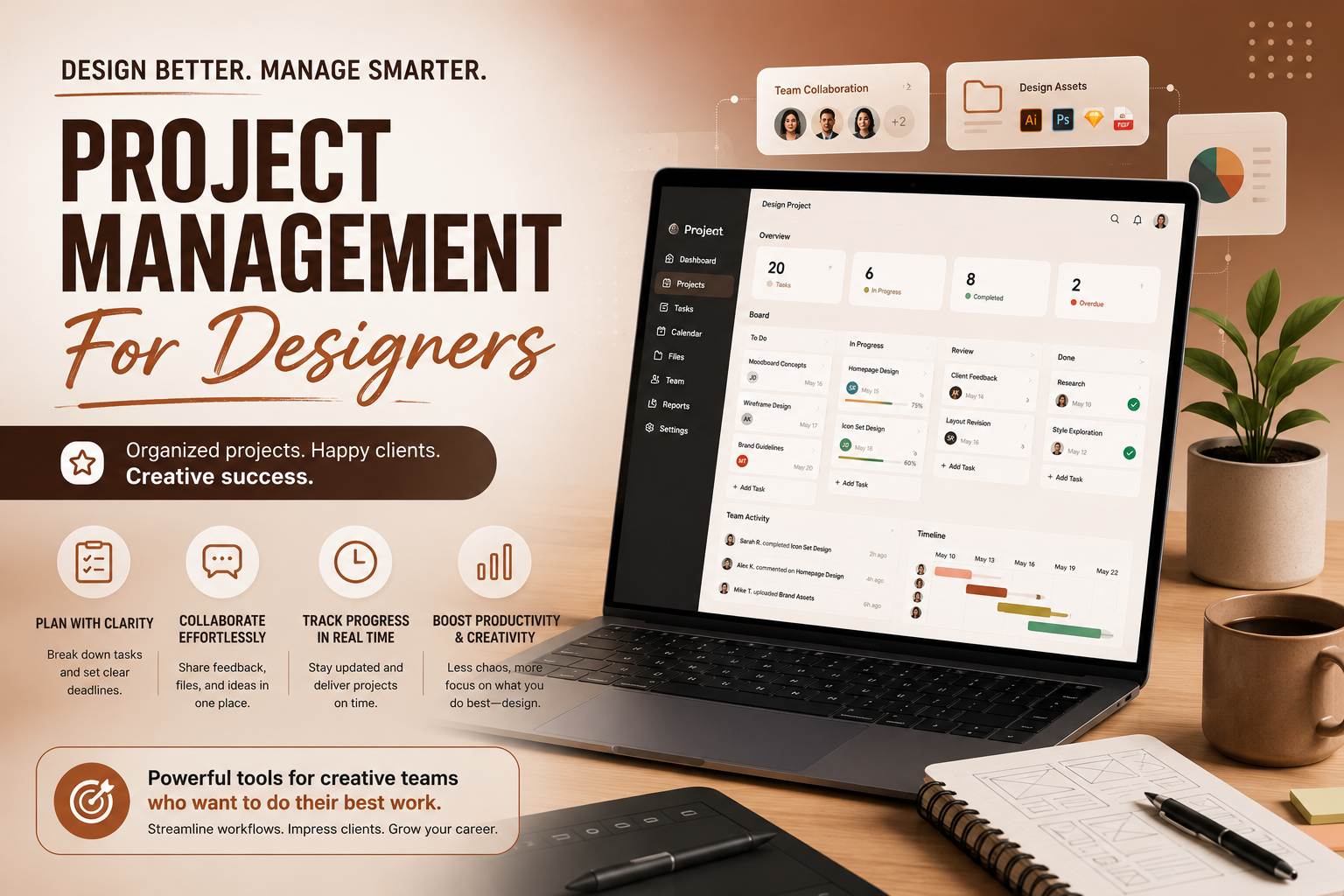
Creative talent alone is no longer enough to stand out in today’s competitive job market. Employers expect designers to deliver exceptional work while managing deadlines, collaborating with multiple teams, and keeping projects organized from concept to completion. That’s why Project Management Software For Designers has become one of the most valuable skills for professionals pursuing design-related careers.
Modern design projects involve far more than creating attractive visuals. Designers work alongside developers, marketers, product managers, clients, and business leaders. Every revision, deadline, approval, and asset must stay organized. Without an efficient project management system, even the most talented creative teams can struggle with missed deadlines and communication breakdowns.
Businesses recognize this reality. Companies increasingly seek designers who understand both creative workflows and project coordination, making Project Management Software For Designers a powerful advantage when applying for jobs.
Project Management Tools Help Designers Build Better Careers
The design industry has changed dramatically over the past decade. Remote collaboration, hybrid workplaces, and global creative teams have become standard across many organizations. Designers frequently contribute to projects involving branding, websites, mobile applications, product development, marketing campaigns, and digital experiences.
Managing these responsibilities requires more than creativity. Project Management Software For Designers helps organize assignments, prioritize workloads, monitor deadlines, share feedback, and track project progress in real time. This allows designers to spend less time searching for information and more time producing high-quality work.
Employers appreciate professionals who can balance artistic ability with organizational skills. Designers who understand structured workflows often become trusted team members because they reduce delays, improve communication, and help projects move smoothly from planning to final delivery.
Many organizations now include project management experience among their preferred qualifications when hiring UI designers, UX designers, graphic designers, creative directors, product designers, and digital marketing specialists.
Professionals interested in combining technical expertise with structured software development may also explore opportunities such as a Software Design Engineer, where collaboration and project management play equally important roles.
Design Collaboration Software Creates More Job Opportunities
Modern employers rarely evaluate portfolios alone. Hiring managers increasingly assess how candidates communicate, organize projects, respond to feedback, and collaborate with multidisciplinary teams.
Project Management Software For Designers supports every stage of creative collaboration. Designers can assign tasks, review revisions, share prototypes, monitor milestones, and coordinate approvals without relying on endless email chains or disconnected spreadsheets.
This organized workflow benefits both employers and employees. Projects become easier to monitor, client expectations remain clear, and creative teams avoid unnecessary confusion during production.
As businesses continue investing in digital products, professionals capable of managing collaborative design environments gain a measurable competitive advantage. Companies often prefer candidates who require minimal supervision because they already understand structured project workflows.
Strong design skills remain the foundation of every successful creative career. Professionals seeking to strengthen their visual capabilities can also explore resources covering Online Graphic Design Software, which complements project management expertise by improving creative execution.
Why Project Management Software For Designers Matters in Modern Workplaces
Creative industries continue embracing cloud technology, remote collaboration, and agile development practices. Designers now participate in sprint planning, product roadmaps, usability testing, stakeholder presentations, and continuous improvement cycles.
Project Management Software For Designers makes these responsibilities manageable by centralizing communication, tracking progress, and ensuring everyone works with the latest project information.
Companies value employees who contribute beyond visual design. Understanding scheduling, workload planning, documentation, resource allocation, and cross-functional collaboration demonstrates professional maturity and leadership potential.
For freelancers, project management skills can be equally valuable. Clients appreciate designers who communicate clearly, meet deadlines consistently, and provide transparent project updates throughout the design process. These qualities often generate repeat business and long-term client relationships.
Technology continues expanding creative career opportunities across industries. Manufacturing companies, healthcare organizations, educational institutions, software developers, financial services, and retail businesses all hire designers capable of working within organized project environments.
Professionals interested in digital business systems may also discover valuable insights by learning about CRM Software Design, where project organization and customer-focused software solutions frequently overlap.
Future Career Growth Through Project Management Skills
The future of design extends well beyond creating attractive graphics. Artificial intelligence, collaborative cloud platforms, automation, and integrated digital workflows continue changing how creative teams operate.
As organizations adopt increasingly sophisticated design ecosystems, professionals who understand Project Management Software For Designers become valuable contributors throughout entire product lifecycles rather than individual design phases.
Leadership opportunities also become more accessible. Senior designers, creative managers, UX leads, and design directors frequently coordinate teams, allocate resources, oversee timelines, and communicate with executives. Strong project management experience prepares professionals for these higher-level responsibilities.
Continuous learning remains essential. Design software evolves quickly, and project management platforms regularly introduce automation, AI-powered scheduling, workflow optimization, and advanced reporting features. Professionals who stay current with these innovations strengthen both their employability and long-term career stability.
Industry-specific design software can further broaden career possibilities. Exploring solutions like Kitchen Design Software demonstrates how specialized creative tools support professional opportunities across multiple sectors.
Manufacturing organizations also rely heavily on coordinated digital workflows, making knowledge of Manufacturing Design Software valuable for designers working alongside engineering and production teams.
FAQ Design Project Management
1. Is Project Management Software For Designers important for entry-level design jobs?
Yes. Many employers now expect junior designers to understand basic project management workflows alongside creative software skills. Even if entry-level employees are not managing entire projects, knowing how to organize tasks, collaborate with teammates, monitor deadlines, and communicate effectively demonstrates professionalism. These abilities help new designers integrate into teams more quickly while increasing opportunities for career advancement as responsibilities grow.
2. Can learning Project Management Software For Designers improve salary potential?
In many cases, it can. Designers who combine strong creative abilities with project coordination skills often qualify for broader responsibilities that contribute directly to business success. Employers value professionals who reduce workflow delays, improve collaboration, and help projects stay on schedule. These additional capabilities may lead to promotions, leadership roles, freelance opportunities, and stronger long-term earning potential across multiple industries.
3. Which industries hire professionals experienced with Project Management Software For Designers?
Project Management Software For Designers is useful across nearly every industry that employs creative professionals. Technology companies, marketing agencies, healthcare organizations, education providers, manufacturing firms, retail businesses, architecture studios, financial institutions, and media companies all benefit from organized creative workflows. Because digital collaboration continues expanding, professionals with project management experience remain attractive candidates in both remote and on-site work environments.
Apply Project Management Software For Designers Jobs
Project Management Software For Designers represents far more than a productivity tool. It reflects a professional mindset that combines creativity, organization, communication, and accountability into one valuable career skill.
As businesses continue investing in digital products and collaborative creative teams, designers who master Project Management Software For Designers position themselves for stronger employment opportunities, greater leadership potential, and long-term career growth. In an increasingly competitive job market, the ability to manage creative work efficiently may become just as valuable as the designs themselves.