Info Hot Job Find your dream job! Get for jobs, post your resume, compare salaries and find career advice and research.
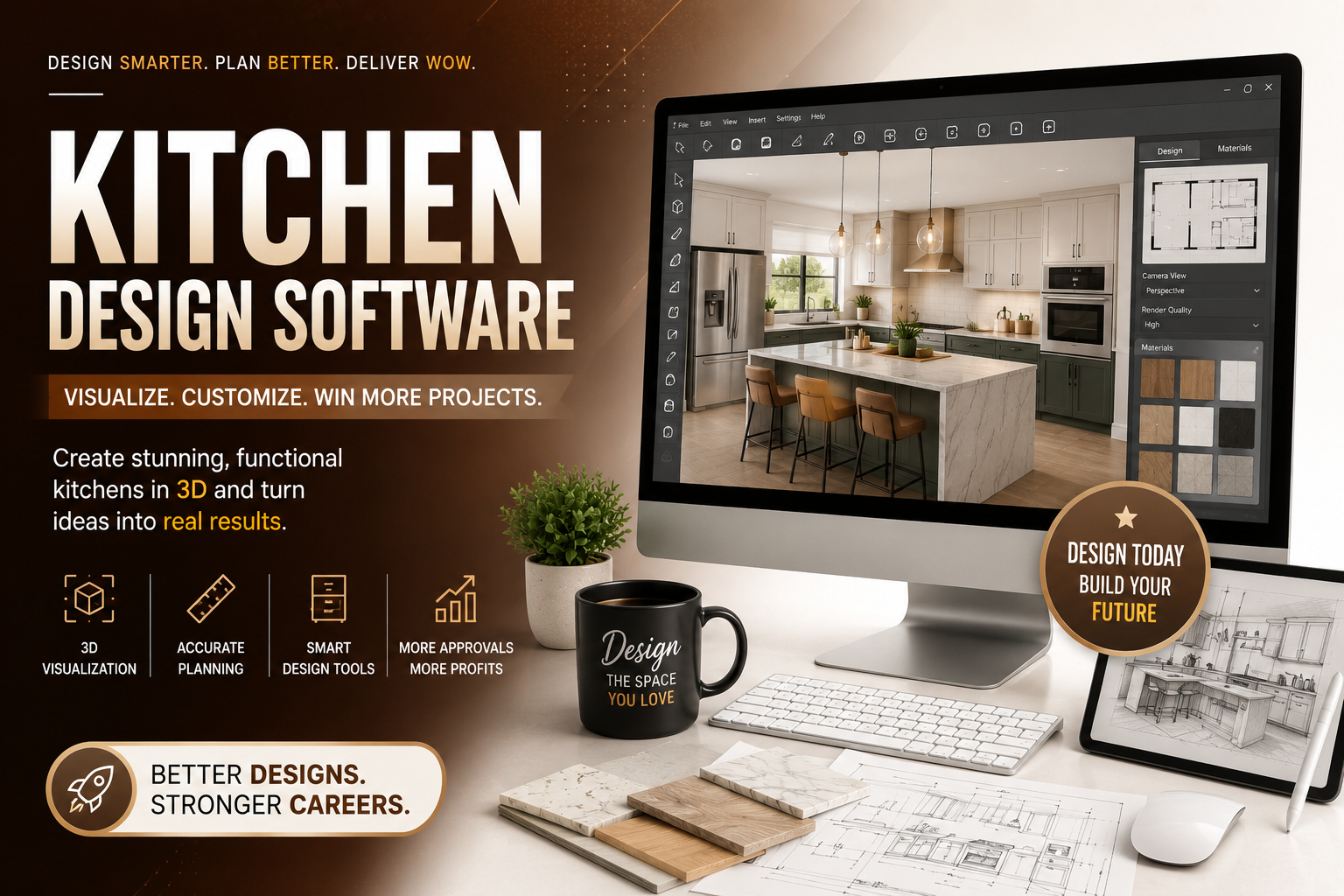
A modern kitchen is more than a place to cook. It has become the centerpiece of many homes, combining functionality, style, and efficient space planning. As homeowners invest more in renovations and custom interiors, professionals who understand Kitchen Design Software are becoming increasingly valuable in today’s competitive design market.
Technology has changed how kitchen projects move from concept to completion. Clients expect realistic visualizations before making major financial decisions, while contractors rely on accurate measurements to reduce costly mistakes. Designers who can deliver both creativity and technical precision often stand out during hiring and project bidding. That combination makes digital design skills an important career asset rather than simply another software qualification.
Kitchen Design Software Creates Better Career Opportunities
Learning Kitchen Design Software helps designers communicate ideas with confidence. Instead of relying on sketches or verbal explanations, professionals can present realistic 3D kitchen layouts that show cabinetry, countertops, appliances, lighting, flooring, and storage solutions before construction begins.
This visual approach helps clients make informed decisions while reducing misunderstandings throughout the renovation process. Faster approvals, fewer revisions, and improved project accuracy create measurable value for employers and independent designers alike.
Companies specializing in kitchen remodeling, interior design, residential construction, cabinetry manufacturing, and architectural planning increasingly seek candidates familiar with digital design workflows. Practical software experience allows new employees to contribute more quickly while supporting collaboration across multiple departments.
As remote consultation continues growing, designers can also create kitchen concepts for clients in different cities or countries. Digital presentations have become a standard expectation rather than an optional service, making software proficiency even more valuable for long-term career development.
Professionals interested in broader digital design workflows can strengthen their skills by exploring this guide on Web Design Software.
Modern Kitchen Design Software Improves Design Efficiency
Today’s Kitchen Design Software provides much more than attractive renderings. Many professional platforms include cabinet libraries, appliance catalogs, material databases, lighting simulation, floor planning, automatic measurements, and realistic 3D visualization.
These features help designers identify potential issues before construction begins. Correcting a digital layout is significantly less expensive than changing installed cabinetry or plumbing after construction has started.
Artificial intelligence is also beginning to influence kitchen planning. Some software solutions recommend cabinet layouts, optimize workspace efficiency, calculate material requirements, and generate realistic lighting effects automatically. Rather than replacing designers, these technologies improve productivity by reducing repetitive manual tasks.
Design professionals who understand both creativity and technology remain highly competitive because they solve practical business challenges while delivering visually impressive results.
Strong visual communication skills also extend into branding and digital content creation. Designers looking to expand their creative abilities can learn more through this article about Free Graphic Design Software.
Kitchen Design Software Supports Future Design Careers
The construction and home improvement industries continue evolving alongside advances in digital technology. Clients expect personalized solutions, sustainable materials, and highly customized interior spaces. Meeting these expectations requires professionals who combine creative thinking with technical expertise.
Learning Kitchen Design Software provides transferable skills that remain valuable across multiple career paths. Interior designers, architectural designers, cabinet specialists, home renovation consultants, furniture manufacturers, and remodeling contractors all benefit from understanding professional design software.
Digital collaboration also improves communication between architects, electricians, plumbers, contractors, suppliers, and clients. Shared project files reduce misunderstandings while helping projects stay within budget and on schedule.
Professionals willing to continuously improve their software knowledge often discover additional opportunities beyond traditional interior design. Product visualization, architectural rendering, furniture manufacturing, and digital presentation services all benefit from similar technical skills.
Those considering broader technology careers may also find valuable insight through this comparison of Web Developer vs Software Engineer, which highlights how software expertise continues shaping today’s employment landscape.
Creative software continues opening new professional possibilities across multiple industries. Readers interested in future-focused digital careers can also explore Software Designer Jobs.
Professionals working across indoor and outdoor environments may also benefit from understanding how visualization technology supports projects beyond residential interiors. This overview of Landscape Design Software demonstrates how digital planning tools continue transforming modern design careers.
FAQ 3D Kitchen Design Software
1. Is Kitchen Design Software difficult for beginners to learn?
Most modern Kitchen Design Software is designed with beginners in mind while still offering advanced features for experienced professionals. New users can usually learn the basics through guided tutorials and practice projects before moving into more complex kitchen layouts. As confidence grows, designers naturally become faster at creating accurate floor plans, realistic 3D visualizations, and client-ready presentations that reflect professional industry standards.
2. Can Kitchen Design Software help someone get a better job in interior design?
Yes. Employers increasingly prefer candidates who can present professional digital layouts instead of relying only on traditional sketches. Kitchen Design Software demonstrates technical competence, improves collaboration with contractors, and allows designers to communicate ideas more effectively. Combined with creativity and practical experience, software proficiency often makes candidates more competitive for positions in interior design firms, renovation companies, and architectural studios.
3. What skills are most important besides learning Kitchen Design Software?
Software knowledge works best when combined with design fundamentals such as space planning, color coordination, lighting design, ergonomics, building materials, and communication skills. Successful designers also understand client preferences, project budgeting, and construction limitations. Together, these abilities help professionals create kitchens that are both visually appealing and highly functional while strengthening long-term career opportunities.
The demand for personalized, functional, and visually appealing kitchens continues to grow alongside advances in digital design technology. Learning Kitchen Design Software equips professionals with practical skills that improve project accuracy, strengthen client communication, and increase career opportunities across interior design, remodeling, and residential construction. As the industry becomes more technology-driven, designers who combine creativity with modern software expertise will remain well-positioned for long-term professional success.