Info Hot Job Find your dream job! Get for jobs, post your resume, compare salaries and find career advice and research.
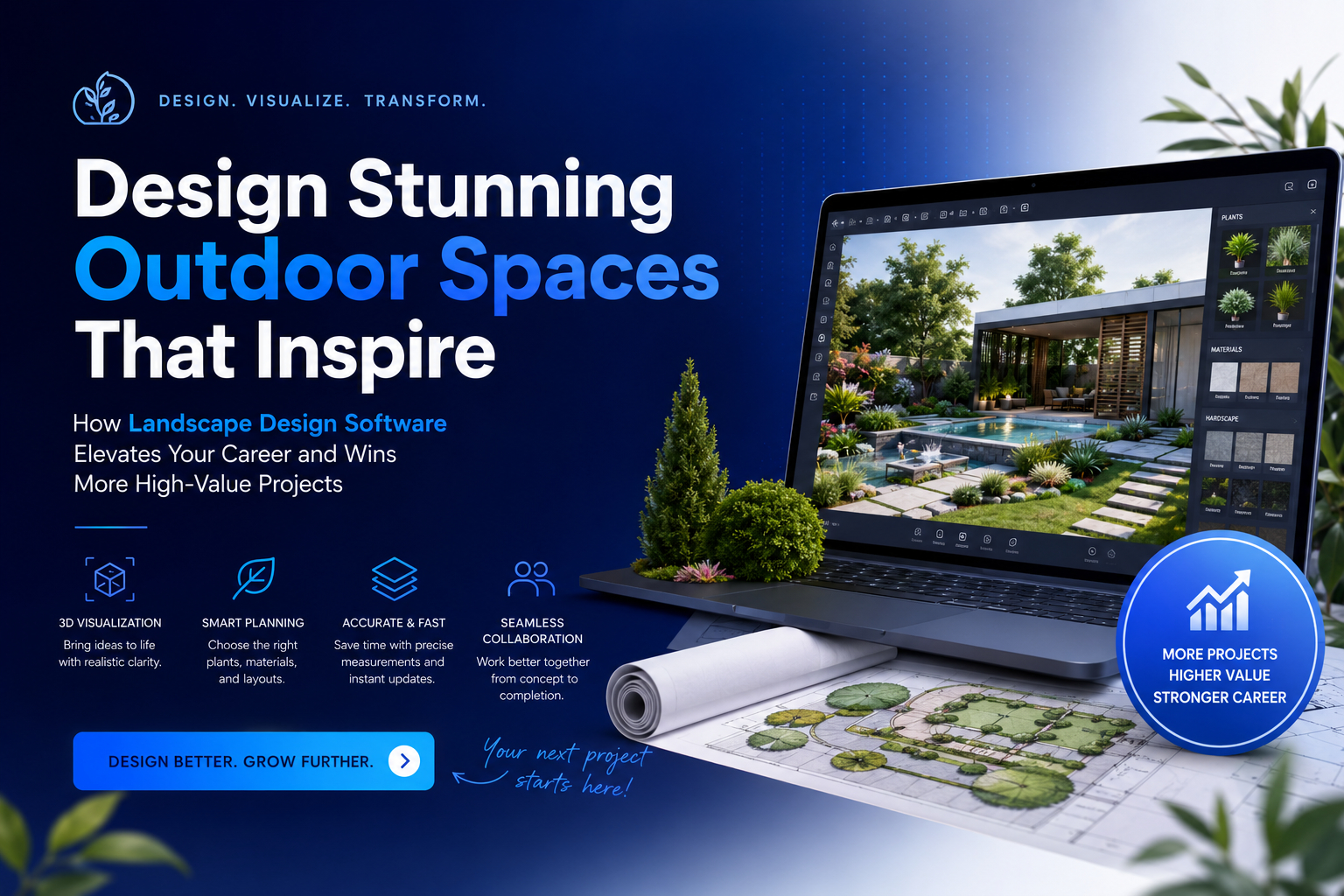
A beautiful outdoor space rarely begins with a shovel. It starts with a smart plan, clear visualization, and the right digital tools. As homeowners, commercial developers, and municipalities demand more detailed landscape proposals, professionals who master Landscape Design Software gain a significant advantage in an increasingly competitive market. The ability to transform ideas into realistic digital models has become more than a convenience—it has become a career-defining skill.
Landscape architecture is evolving quickly. Clients expect immersive presentations, accurate cost estimates, and sustainable planning before construction even begins. Traditional sketches still have artistic value, but they no longer meet the expectations of many modern projects. Digital workflows now shape how landscape designers communicate ideas, collaborate with contractors, and secure high-value contracts.
Landscape Design Software Improves Professional Career Opportunities
Employers are searching for professionals who can work efficiently without sacrificing creativity. Mastering Landscape Design Software allows designers to produce precise layouts, generate realistic 3D visualizations, and modify projects within minutes rather than hours. This level of productivity directly improves project turnaround times while reducing costly mistakes.
The hiring market increasingly rewards candidates who combine design knowledge with software proficiency. Landscape firms, architectural studios, property developers, and environmental planning companies all rely on digital design solutions. A candidate who already understands professional design software requires less training and contributes faster to ongoing projects.
Technology has also changed how clients make decisions. Instead of interpreting technical drawings, they can explore lifelike renderings that showcase plants, lighting, hardscape elements, water features, and seasonal changes. Better visualization often leads to quicker approvals and greater client confidence, making software expertise a valuable business asset rather than simply a technical skill.
Professionals interested in broader software careers may also benefit from understanding how digital design skills overlap with technology roles. Learning about Web Developer vs Software Engineer career opportunities provides additional perspective on how software expertise creates long-term employment advantages.
Best Landscape Design Software Features Employers Value
Not every application offers the same capabilities, and employers often prioritize practical experience over familiarity with a specific brand. What matters most is understanding professional workflows. Modern Landscape Design Software typically includes advanced 2D drafting, 3D modeling, terrain editing, irrigation planning, lighting simulation, and automated material calculations.
Cloud collaboration has become another major advantage. Teams can review revisions remotely, architects can coordinate with engineers, and contractors can receive updated plans without waiting for printed blueprints. This streamlined communication reduces delays while improving overall project accuracy.
Artificial intelligence is beginning to influence landscape planning as well. Some platforms can recommend plant selections based on climate, analyze drainage conditions, or optimize material usage. These intelligent features help professionals spend less time on repetitive tasks and more time solving creative design challenges.
Strong software skills also complement careers in product development and digital innovation. Readers exploring technology-focused professions can discover how modern design careers continue to expand in this guide to Software Designer Jobs in 2026.
Landscape Design Software and Future Job Market Growth
The demand for sustainable development continues to reshape the construction industry. Green infrastructure, urban parks, rooftop gardens, residential landscaping, and ecological restoration projects all require professionals capable of designing efficient outdoor environments. As these projects become more complex, Landscape Design Software plays a central role throughout planning and execution.
Companies increasingly seek employees who understand digital collaboration rather than isolated design techniques. Landscape professionals frequently work alongside architects, civil engineers, surveyors, environmental consultants, and construction managers. Shared digital files improve coordination while reducing conflicts during project implementation.
Freelancers also benefit from mastering professional software. High-quality visual presentations help independent designers compete against larger firms by demonstrating professionalism and technical competence. Clients often choose the proposal they understand most clearly, making realistic visualizations a powerful competitive advantage.
The rise of remote consulting has expanded opportunities even further. Designers can now create complete landscape concepts for clients across different cities or even different countries without visiting the property during the early planning stages. Satellite imagery, drone photography, and digital terrain models support accurate remote design services.
Income potential naturally increases with specialized technical expertise. Professionals interested in understanding broader software compensation trends can explore this detailed overview of Software Designer Salary, which highlights how advanced digital skills often translate into stronger earning potential.
Digital transformation is also influencing how professionals approach long-term career planning. Comparing technical career paths through this resource on Software Engineer vs Software Developer offers valuable insight into how specialized software knowledge continues to shape employment demand.
Even professionals working outside traditional software companies can learn from the hiring standards established by major technology organizations. Exploring LinkedIn Software Engineer careers demonstrates how continuous learning and technical adaptability remain essential across nearly every digital profession.
FAQ Landscape Design Software
1. Is Landscape Design Software worth learning for someone starting a landscaping career?
Absolutely. Learning Landscape Design Software provides a competitive advantage at the beginning of a landscaping career, as employers increasingly expect digital planning skills. Instead of relying only on hand sketches, entry-level professionals who can create accurate layouts and realistic visualizations often contribute faster to real projects. The software also improves communication with clients, reduces design errors, and helps build a stronger portfolio, making it easier to compete for better positions and freelance opportunities in an evolving industry.
2. Can Landscape Design Software increase earning potential for experienced professionals?
Yes. Experienced designers who master advanced Landscape Design Software frequently qualify for higher-paying roles because they handle more complex projects with greater efficiency. Digital expertise supports faster revisions, better project coordination, and more convincing presentations that help secure larger contracts. Many firms also reward professionals capable of integrating 3D modeling, environmental analysis, and collaborative workflows, allowing them to take leadership positions while expanding consulting or independent business opportunities.
3. What should beginners look for when choosing Landscape Design Software?
Beginners should focus less on brand popularity and more on practical functionality. A strong Landscape Design Software solution should support intuitive drawing tools, realistic 3D visualization, plant libraries, terrain modeling, material estimation, and export options for collaboration. It is also valuable to choose software with active learning resources and regular updates because technology continues to evolve rapidly. Building transferable design skills is more important than becoming dependent on a single application, ensuring long-term flexibility throughout a professional career.
Apply Landscape Design SoftwareLandscape design has entered a digital era where technical expertise and creative thinking work side by side. Professionals who invest in Landscape Design Software position themselves for stronger career growth, higher-quality projects, and greater adaptability as industry expectations continue to evolve. Whether working for a landscape architecture firm, launching an independent business, or supporting sustainable urban development, digital design capability has become one of the strongest assets in today’s competitive job market. Those who embrace these tools today will be better prepared for tomorrow’s opportunities, where precision, collaboration, and innovation define professional success.