Info Hot Job Find your dream job! Get for jobs, post your resume, compare salaries and find career advice and research.
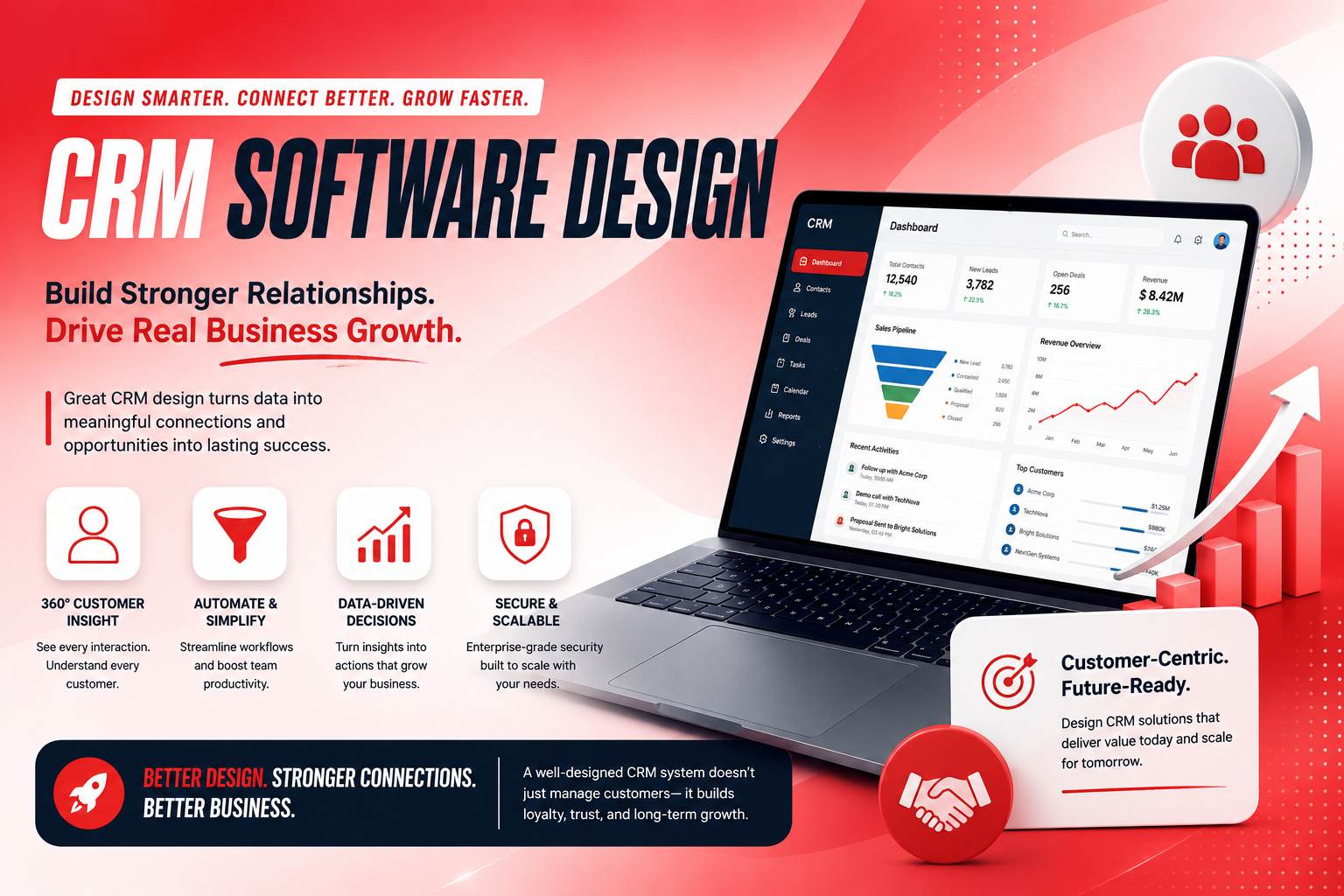
Customer relationships have become one of the most valuable assets a business can own. Companies collect enormous amounts of customer data every day, but raw information means very little without a system that organizes, analyzes, and transforms it into meaningful business decisions. That’s where Crm Software Design plays a critical role.
Organizations across nearly every industry now depend on CRM platforms to improve sales performance, strengthen customer service, automate marketing campaigns, and manage long-term client relationships. As digital transformation accelerates, businesses are searching for professionals who understand not only how CRM systems work but also how to design solutions that support real business goals.
For job seekers, this creates a strong opportunity. Employers increasingly value candidates who combine technical knowledge with business thinking, making Crm Software Design one of today’s most practical career skills.
CRM Software Development Careers Continue to Expand
The growing demand for Crm Software Design is closely connected to the rapid adoption of cloud technology and business automation. Companies no longer want disconnected systems that create duplicate work or inconsistent customer information. Instead, they invest in integrated CRM environments that allow every department to access accurate, real-time customer data.
This shift has created new positions for CRM developers, solution architects, business analysts, implementation consultants, UI/UX designers, software engineers, product managers, and technical support specialists. Even organizations outside the technology sector actively recruit professionals capable of improving customer relationship platforms.
Recruiters often prioritize applicants who understand customer workflows alongside software development principles. Building CRM applications requires more than writing code. It involves understanding sales pipelines, customer service processes, reporting systems, automation logic, security, and user experience.
Professionals with strong technical foundations can also explore careers involving advanced engineering responsibilities, such as becoming a Software Design Engineer, where software architecture and business solutions frequently intersect.
CRM Platform Skills Give Job Seekers a Competitive Edge
Many candidates possess programming knowledge, yet fewer understand how technology solves practical business problems. Crm Software Design bridges that gap by combining software engineering with customer experience strategy.
Companies appreciate employees who can improve productivity instead of simply maintaining existing systems. CRM professionals often automate repetitive tasks, simplify data management, create dashboards for decision-making, and integrate multiple business applications into one efficient platform.
Because CRM software touches nearly every customer interaction, successful implementations can significantly improve revenue generation. This direct business impact increases the value of professionals working in CRM design and development.
Learning CRM concepts also provides transferable skills. Database management, API integration, workflow automation, cloud services, security principles, and interface design remain valuable across many software engineering disciplines. These competencies help professionals adapt as technology continues to evolve.
Understanding modern design tools further strengthens career opportunities. Professionals interested in expanding their visual communication skills may benefit from exploring Online Graphic Design Software, especially when designing dashboards, reports, or customer-facing interfaces.
CRM Software Design Supports Long-Term Career Growth
Technology trends change quickly, but customer relationship management continues evolving rather than disappearing. Artificial intelligence, predictive analytics, machine learning, conversational chatbots, and intelligent automation are making CRM systems smarter every year.
Businesses now expect CRM platforms to predict customer behavior, recommend products, automate communication, and generate actionable insights from large datasets. These capabilities increase the need for professionals who understand both technical implementation and strategic business objectives.
Rather than focusing on a single CRM vendor, successful professionals usually develop broader expertise in software architecture, cloud computing, user-centered design, data modeling, and system integration. These core competencies remain relevant even as software platforms introduce new features.
Real-world experience also matters. Employers frequently look for candidates who have participated in CRM implementation projects, customized workflows, integrated third-party applications, or solved practical business challenges. A portfolio demonstrating measurable project outcomes often carries more weight than certifications alone.
Professionals who enjoy solving complex digital workflows may also find valuable insights in related engineering topics, including Manufacturing Design Software, where technology similarly drives operational efficiency through intelligent software solutions.
Future Opportunities for CRM Software Professionals
The employment outlook for Crm Software Design remains strong because organizations continue investing in customer-focused technologies. Businesses increasingly recognize that retaining customers costs less than constantly acquiring new ones, making CRM platforms central to long-term business strategy.
Remote work has expanded global hiring opportunities as well. Many CRM implementation projects can be completed through distributed teams, allowing professionals to collaborate with international organizations without relocating.
Cloud computing continues accelerating this trend. Modern CRM platforms rely on scalable infrastructure, secure integrations, mobile accessibility, and continuous software updates. Professionals familiar with cloud-native development practices become increasingly attractive to employers seeking digital transformation.
Soft skills also influence career advancement. CRM professionals regularly communicate with sales teams, executives, marketing specialists, developers, and clients. Strong communication, problem-solving, and business analysis skills often distinguish senior professionals from technical specialists with similar coding abilities.
Design thinking plays an equally important role. Understanding how users interact with software helps professionals create intuitive interfaces that improve adoption rates and reduce employee training requirements.
Those interested in user experience beyond CRM platforms can broaden their knowledge by exploring resources about Web Design Software, where interface usability and digital interaction remain essential components of successful software products.
Creative inspiration from specialized industries can also be valuable. Solutions developed for platforms such as Kitchen Design Software demonstrate how industry-specific software balances functionality with intuitive user experiences.
FAQ CRM Software Careers
1. Is Crm Software Design a good career choice in 2026 and beyond?
Yes. Crm Software Design continues to offer strong career potential because businesses across healthcare, finance, retail, manufacturing, education, and technology increasingly depend on customer relationship platforms. Organizations are investing in automation, artificial intelligence, and cloud-based CRM systems, creating consistent demand for professionals who understand software design, integration, and customer-focused digital solutions. This combination of technical and business expertise remains highly valuable in today’s evolving job market.
2. What skills should someone learn for a career in Crm Software Design?
Successful professionals usually combine programming knowledge with business understanding. Skills such as database management, cloud computing, API integration, workflow automation, user interface design, software architecture, and business analysis are highly desirable. Learning how customer service, sales, and marketing processes operate also provides a competitive advantage because CRM systems are designed to support these essential business functions rather than technology alone.
3. Can beginners enter the Crm Software Design field without years of experience?
Absolutely. Many employers hire junior developers, implementation consultants, business analysts, and technical support specialists who demonstrate strong problem-solving skills and a willingness to learn. Building personal CRM projects, completing certifications, contributing to portfolio work, and understanding real business workflows can significantly improve employment opportunities even for candidates who are just starting their careers in software development.
Apply Crm Software Design Jobs
Crm Software Design has evolved into far more than a specialized software discipline. It connects technology with business growth, helping organizations strengthen customer relationships while improving operational efficiency.
For professionals pursuing technology careers, developing expertise in Crm Software Design creates lasting value. The combination of software engineering, business strategy, cloud technologies, and customer experience positions skilled individuals for rewarding opportunities across multiple industries. As companies continue prioritizing digital transformation, professionals who can design intelligent CRM solutions will remain among the most sought-after talents in the modern job market.