Info Hot Job Find your dream job! Get for jobs, post your resume, compare salaries and find career advice and research.
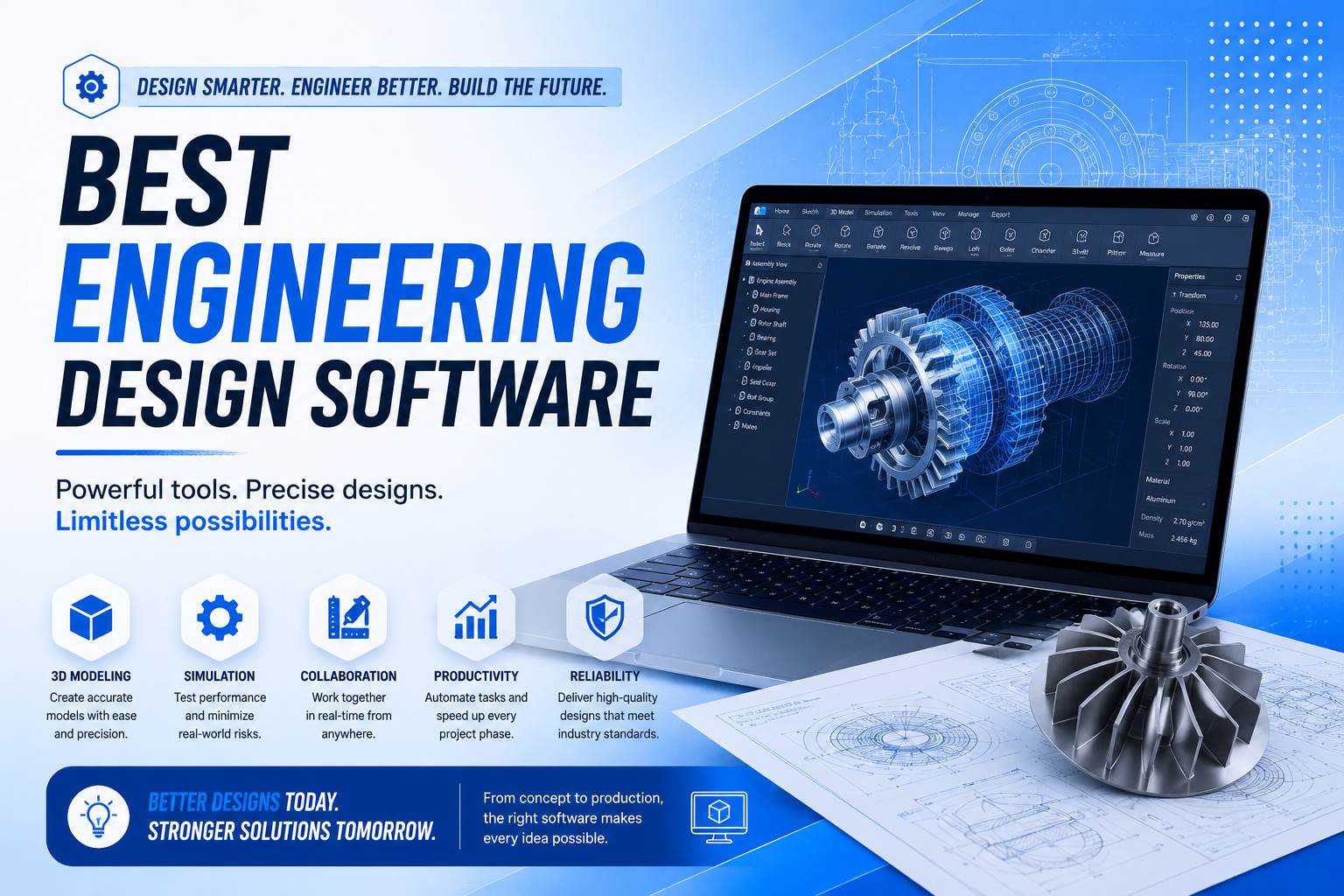
Engineering has always been driven by innovation, but today’s workplace demands much more than technical knowledge. Employers want professionals who can solve complex problems, collaborate across departments, and transform ideas into production-ready solutions using advanced digital tools. That’s why mastering the best engineering design software has become one of the smartest investments for anyone pursuing an engineering career.
Whether designing mechanical systems, developing industrial equipment, creating infrastructure, or supporting manufacturing operations, engineers rely on powerful software to improve precision, reduce errors, and accelerate development cycles. Companies understand that digital engineering shortens production timelines while improving product quality, making software expertise one of the first qualifications recruiters evaluate.
As industries continue embracing automation, smart manufacturing, and digital transformation, professionals who understand the best engineering design software are finding more opportunities, stronger career growth, and greater long-term job security.
Engineering Design Software Skills Increase Job Opportunities
The engineering industry has changed dramatically over the past decade. Traditional drafting methods have largely been replaced by intelligent digital platforms capable of modeling, simulating, testing, and optimizing products long before production begins.
This transformation has increased demand for engineers who understand digital workflows rather than simply operating individual software programs. Employers look for candidates who can design efficiently, collaborate with cross-functional teams, manage revisions, and improve manufacturing readiness through accurate engineering models.
Mechanical engineers, civil engineers, manufacturing engineers, aerospace engineers, industrial designers, product development specialists, and automation professionals all benefit from experience with Best Engineering Design Software.
Hiring managers often consider software proficiency a practical business advantage. Candidates who already understand engineering design environments typically require less onboarding, contribute faster to projects, and adapt more easily to evolving technologies.
Engineering professionals interested in software-focused technical careers may also explore opportunities such as becoming a Software Design Engineer, where engineering knowledge and software development frequently work together.
Digital Engineering Tools Improve Career Growth
Modern engineering extends beyond creating accurate drawings. Today’s projects require collaboration among engineering teams, manufacturing departments, procurement specialists, quality assurance professionals, and executive decision-makers.
Best Engineering Design Software helps connect every stage of product development by allowing teams to share digital models, perform simulations, validate designs, manage revisions, and identify production challenges before manufacturing begins.
Companies value professionals who reduce project risk while increasing efficiency. Engineers capable of using digital design platforms effectively often become key contributors because their work directly supports productivity, cost reduction, and product quality improvements.
Technology continues evolving with artificial intelligence, cloud collaboration, automation, and digital twins becoming increasingly common. Engineers who continuously expand their software knowledge remain competitive even as industries adopt new development methodologies.
Technical expertise also benefits from complementary digital skills. Engineers working with presentations, user interfaces, or product visualization may find additional value in learning about Online Graphic Design Software, especially when communicating technical concepts to clients or stakeholders.
Why Best Engineering Design Software Matters for Future Engineers
Engineering graduates entering today’s workforce face stronger competition than ever before. Academic qualifications remain important, but employers increasingly prioritize practical software experience alongside theoretical knowledge.
Internships, engineering projects, certifications, and personal portfolios become significantly stronger when candidates demonstrate familiarity with modern engineering design tools. Real-world software experience shows recruiters that applicants understand industry expectations beyond classroom learning.
Continuous learning also creates leadership opportunities. Senior engineers frequently oversee design reviews, coordinate multidisciplinary teams, mentor junior staff, and support product development strategies. Strong digital engineering skills provide a foundation for these advanced responsibilities.
The rise of cloud computing has further expanded engineering collaboration. Teams spread across different countries can simultaneously review models, approve revisions, share documentation, and coordinate manufacturing processes using centralized digital platforms.
Industries including automotive, aerospace, renewable energy, robotics, construction, healthcare, electronics, and industrial manufacturing all continue investing heavily in digital engineering technologies. This broad demand creates stable employment opportunities for professionals capable of working within modern engineering environments.
Professionals interested in specialized industrial workflows may also benefit from understanding Manufacturing Design Software, where engineering models directly support efficient production processes.
Future Career Success Depends on Digital Engineering Skills
The future of engineering will be increasingly connected through intelligent software platforms. Artificial intelligence already assists with optimization, automated modeling, predictive simulation, and engineering analysis, allowing professionals to focus more on solving complex design challenges.
Rather than replacing engineers, these technologies increase the importance of professionals capable of combining engineering judgment with advanced software capabilities.
Project coordination also plays an essential role. Engineers regularly collaborate with project managers, designers, clients, suppliers, and manufacturing teams. Understanding structured workflows strengthens communication while improving project outcomes.
Professionals who wish to improve coordination across multidisciplinary teams can also explore resources covering Project Management Software For Designers, where organized collaboration supports successful project delivery.
Business technology continues integrating with engineering as well. Organizations increasingly connect engineering operations with customer management systems, making knowledge of CRM Software Design valuable for professionals working on enterprise-wide digital transformation initiatives.
FAQ Engineering Design Software
1. Is Best Engineering Design Software important for engineering graduates?
Absolutely. Employers increasingly expect engineering graduates to possess practical software skills before entering the workforce. Experience with engineering design platforms demonstrates that candidates understand modern workflows, digital collaboration, and product development processes. These competencies often improve employability because companies can integrate new engineers into active projects with less training and greater confidence in their technical capabilities.
2. Which engineering careers benefit most from Best Engineering Design Software?
Best Engineering Design Software supports careers across mechanical engineering, manufacturing engineering, civil engineering, aerospace, automotive, industrial design, robotics, energy, construction, and product development. Because digital engineering has become a standard business practice, professionals in nearly every engineering discipline benefit from understanding software-based design, simulation, documentation, and collaborative development environments.
3. Can learning the best engineering design software increase long-term earning potential?
In many cases, yes. Engineers who continuously improve their digital design skills often qualify for more advanced technical roles, leadership positions, and specialized engineering projects. Employers value professionals who improve productivity, reduce design errors, accelerate development cycles, and support innovation through modern engineering technologies. These contributions frequently translate into stronger career progression and better compensation over time.
Apply Best Engineering Design Software Jobs
The best engineering design software is no longer simply another technical qualification on an engineer’s resume. It has become a core professional competency that directly influences productivity, collaboration, innovation, and long-term career success.
As industries continue embracing digital engineering, automation, and intelligent manufacturing, professionals who invest in the best engineering design software position themselves for stronger employment opportunities across a wide range of industries. In an increasingly technology-driven workforce, combining engineering expertise with advanced software skills remains one of the most effective ways to build a successful and future-ready career.