Info Hot Job Find your dream job! Get for jobs, post your resume, compare salaries and find career advice and research.
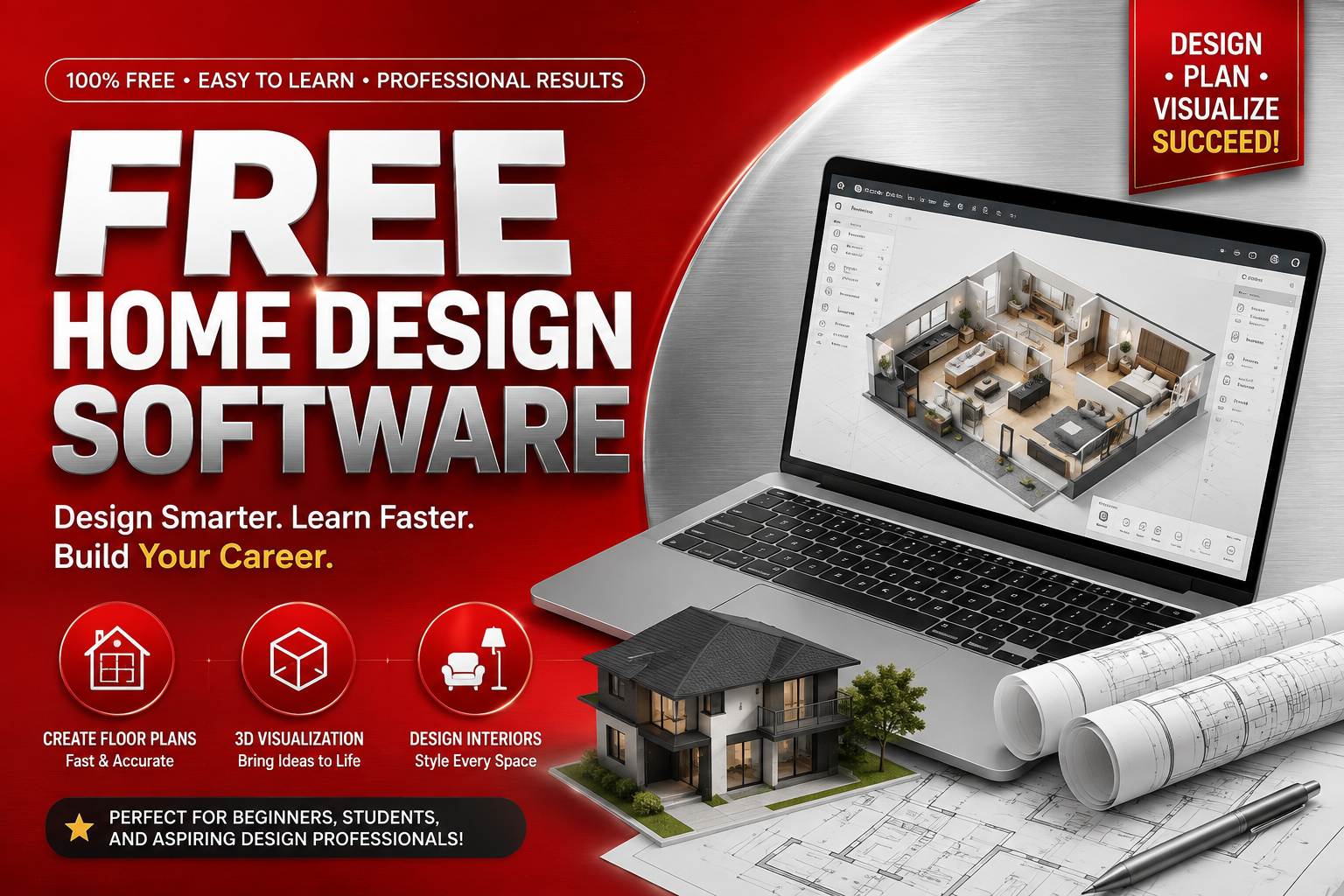
The demand for digital design skills keeps growing, and the barrier to getting started has never been lower. Free Home Design Software gives aspiring designers, students, architects, interior decorators, and career changers a practical way to develop real-world experience without spending hundreds of dollars on expensive applications. Instead of waiting until you can afford premium tools, you can begin designing today, build a portfolio, and learn the workflow used across many design-related industries.
For employers, practical ability often speaks louder than certificates alone. A well-crafted portfolio demonstrating room layouts, floor plans, furniture placement, or residential concepts can make a stronger impression than simply listing software knowledge on a resume. That’s why learning with free tools has become an increasingly smart strategy for anyone aiming to enter architecture, interior design, construction planning, or residential visualization.
Why Free Home Design Software Is Becoming a Career Advantage
Choosing Free Home Design Software is no longer just about saving money. Modern free applications include surprisingly capable features that allow users to create floor plans, experiment with layouts, visualize interiors in 3D, and understand space planning principles.
Many companies hiring junior designers value problem-solving and creativity as much as software expertise. Free platforms allow beginners to practice these essential skills repeatedly. Every completed project improves spatial awareness, technical thinking, and presentation quality, all of which become valuable assets during job interviews.
As remote work expands across creative industries, employers increasingly review online portfolios before scheduling interviews. Someone who consistently publishes quality home design concepts often stands out from candidates who possess theoretical knowledge but lack practical examples. Free software provides the opportunity to practice every day without financial pressure.
Developing these projects also strengthens transferable abilities such as project planning, client communication, visual storytelling, and attention to detail. These competencies remain valuable whether someone pursues residential architecture, interior decoration, property development, furniture planning, or home renovation consulting.
Best Ways to Learn Home Design Software for Professional Growth
Learning software efficiently requires more than simply clicking through menus. Successful beginners usually start with simple room layouts before progressing toward complete residential projects. This gradual approach builds confidence while reinforcing fundamental design concepts.
Creating multiple versions of the same floor plan teaches flexibility. Adjusting wall placement, lighting, furniture arrangements, and circulation paths develops stronger design judgment. Employers appreciate candidates who can explain why they made specific design decisions rather than merely producing attractive images.
Consistency matters more than complexity. Spending thirty minutes each day improving one project often produces better long-term results than attempting an ambitious design once a month. Over time, small improvements accumulate into an impressive portfolio that demonstrates commitment and growth.
Another effective strategy involves recreating existing homes or apartments. Reverse engineering real floor plans helps users understand dimensions, proportions, and practical living requirements. Eventually, those lessons translate into original concepts that reflect both creativity and technical understanding.
If you’re interested in broader software career paths, explore Software Development and Design Careers to understand how design skills fit into today’s technology industry.
Free Home Design Software Skills Employers Actually Notice
Hiring managers rarely expect entry-level applicants to master every professional design application. Instead, they often evaluate whether candidates understand workflow, organization, and problem-solving.
A portfolio created using Free Home Design Software can demonstrate these qualities effectively. Well-organized floor plans, realistic room arrangements, logical furniture placement, and thoughtful use of space reveal analytical thinking that employers appreciate.
Presentation quality also matters. Clean layouts, consistent labeling, and visually balanced renderings communicate professionalism. Even if a project uses free software, polished execution creates a stronger impression than an unfinished design produced with expensive commercial tools.
Communication becomes another differentiator. Being able to explain design choices, discuss customer needs, and justify layout decisions reflects readiness for collaborative work environments. Design is rarely a solo activity, making interpersonal skills nearly as valuable as technical ability.
Professionals seeking opportunities within specialized organizations may also benefit from understanding how Software Design Firms manage projects and collaborate across multidisciplinary teams.
Building a Portfolio With Free Home Design Software
A strong portfolio should demonstrate variety rather than volume. Five carefully developed projects often outperform dozens of unfinished concepts. Each design should tell a story, beginning with the homeowner’s needs and ending with a practical solution.
Consider including compact apartments, family homes, modern minimalist interiors, traditional layouts, and renovation concepts. This diversity highlights adaptability while showing employers that you can approach different design challenges confidently.
Adding written explanations alongside each project strengthens credibility. Briefly describing design objectives, challenges, and solutions provides valuable context that images alone cannot communicate.
Rendering improvements also deserve attention. Proper lighting, realistic materials, and organized furniture arrangements significantly increase visual appeal without requiring expensive software. Many free applications now include capable rendering engines that help beginners create presentation-ready work.
Understanding workflow becomes even more valuable when combined with Project Management Software Design principles that improve planning, scheduling, and collaboration throughout creative projects.
Likewise, expanding technical knowledge through Network Design Software Open Source introduces broader digital design concepts that complement modern architectural technology.
As your expertise grows, comparing different professional tools through Best Engineering Design Software can help identify which applications employers commonly request for advanced positions.
For users who eventually need additional accessories or drawing equipment to support home design projects, check current options here.
FAQ Home Design Software Careers
1. How useful is Free Home Design Software for getting a design job?
Free Home Design Software can provide meaningful career value when used consistently to build practical experience instead of simply experimenting occasionally. Employers typically evaluate portfolios, design thinking, and problem-solving ability more than the price of the software used to create projects. Well-documented residential layouts, realistic room concepts, and organized presentations demonstrate initiative and commitment, making candidates more competitive for internships, junior designer positions, and freelance opportunities.
2. Can beginners learn professional design skills using Free Home Design Software?
Absolutely. Many beginners successfully develop strong foundations using free platforms before transitioning to commercial applications. Core skills such as space planning, floor plan development, furniture arrangement, circulation analysis, lighting concepts, and client-focused design remain largely independent of the software itself. Once those fundamentals become second nature, adapting to professional software generally becomes much faster because the underlying design principles remain the same.
3. What should a portfolio include when using Free Home Design Software?
A competitive portfolio should focus on quality rather than quantity. Include several complete residential projects featuring different architectural styles, room sizes, and functional requirements. Add concise project descriptions explaining objectives, design decisions, and solutions to common residential challenges. Clear renderings, organized floor plans, and consistent presentation standards help employers evaluate both technical ability and communication skills, making the portfolio significantly more persuasive during recruitment.
Free Home Design Software offers far more than a cost-saving alternative. It creates an accessible pathway for developing practical design experience, strengthening creative thinking, and building a portfolio that reflects genuine capability. In today’s competitive job market, employers increasingly value demonstrated skills over expensive software licenses. By consistently practicing, refining projects, and presenting thoughtful residential designs, beginners can transform free tools into meaningful career opportunities while preparing for more advanced professional roles in architecture, interior design, and digital visualization.