 Info Hot Job Find your dream job! Get for jobs, post your resume, compare salaries and find career advice and research.
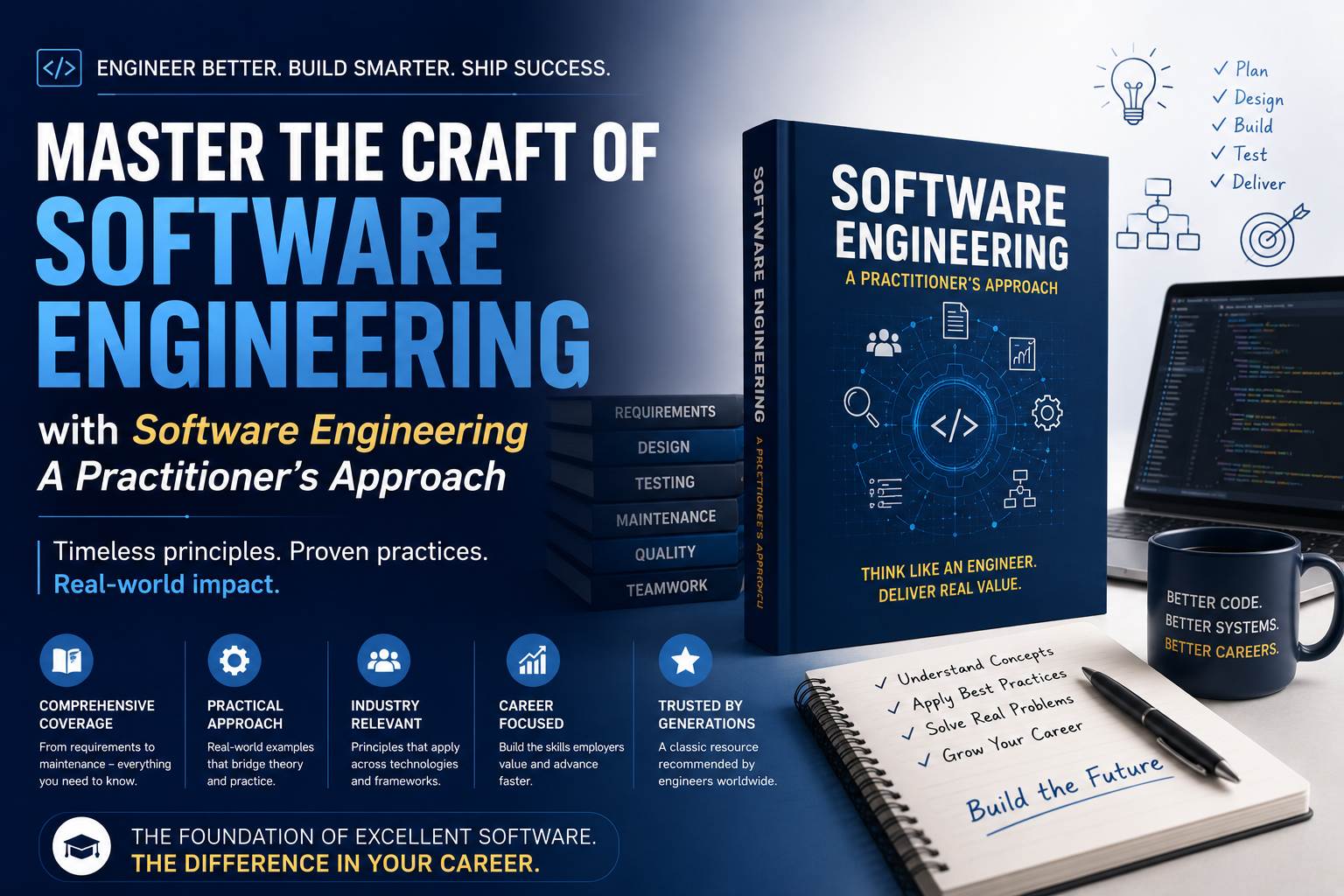
Technology evolves at an incredible pace, yet some learning resources continue to influence generations of software engineers. Among the most respected references in the industry, Software Engineering A Practitioner’s Approach remains a trusted guide for understanding how professional software is designed, developed, tested, and maintained.
Many developers spend years mastering programming languages but struggle when working on large software projects. Modern employers, however, expect far more than coding ability. They seek engineers who understand software architecture, project planning, quality assurance, risk management, and collaborative development. Those skills are exactly why this classic resource continues to hold its value.
For students, junior developers, and experienced engineers alike, studying software engineering principles creates a stronger foundation than simply learning the latest framework. Technology changes quickly, but disciplined engineering practices remain remarkably consistent.
Why Software Engineering A Practitioner’s Approach Remains Relevant
The strength of Software Engineering A Practitioner’s Approach lies in its focus on engineering principles rather than short-term technology trends. While programming languages and development tools evolve regularly, software projects continue to depend on planning, communication, quality control, testing, documentation, and maintainability.
Readers gain a broader understanding of how software projects progress from initial requirements to deployment and long-term maintenance. Instead of concentrating only on writing code, the book encourages engineers to think about software as a complete business solution.
This perspective becomes especially valuable during technical interviews. Employers often evaluate how candidates solve problems, communicate design decisions, and balance technical trade-offs rather than simply measuring programming speed.
Students preparing for professional careers can also explore our guide to Software Engineer Internships, where practical experience complements the engineering principles discussed in foundational learning resources.
Applying Software Engineering Principles in Real Careers
Reading Software Engineering A Practitioner’s Approach provides theoretical knowledge, but its greatest value appears when those concepts are applied in professional environments.
Engineers working on enterprise applications quickly discover the importance of requirement analysis, software architecture, testing strategies, project estimation, and documentation. Teams that consistently follow structured engineering practices typically produce software that remains easier to maintain, expand, and secure over time.
These practical skills also improve career opportunities. Companies increasingly seek professionals who understand software development beyond individual programming tasks. Engineers capable of evaluating system design, identifying technical risks, and improving software quality frequently advance into senior technical positions.
Career planning also involves understanding compensation expectations. Developers interested in market trends may find our analysis of the Software Engineer Hourly Rate useful when evaluating long-term career growth.
How Software Engineering A Practitioner’s Approach Supports Professional Growth
Continuous learning separates average developers from exceptional engineers. While practical experience remains essential, structured learning helps professionals understand why established engineering practices continue to succeed across different industries.
Developers who study Software Engineering A Practitioner’s Approach often become more confident when discussing software lifecycle management, project planning, quality assurance, software metrics, and risk analysis. These topics frequently appear during interviews for senior engineering positions.
The knowledge gained also benefits freelance professionals. Clients value engineers who deliver organized, maintainable software while communicating project expectations clearly. Technical expertise combined with engineering discipline builds long-term trust.
Developers considering independent consulting may also benefit from reading our guide to becoming a Freelance Software Engineer, where professional engineering practices contribute directly to client satisfaction and repeat business.
Why Employers Value Engineers Who Understand Software Engineering Fundamentals
Organizations invest heavily in software projects, making reliability just as important as innovation. Businesses want engineers capable of reducing technical debt, improving maintainability, minimizing project risks, and collaborating effectively across development teams.
Understanding the engineering concepts presented in Software Engineering A Practitioner’s Approach helps professionals contribute beyond writing code. Engineers who understand project planning, software quality, testing methodologies, and lifecycle management often become trusted technical leaders within their organizations.
Continuous learning also demonstrates professional commitment. Reading respected engineering resources strengthens technical judgment while improving communication with both technical and non-technical stakeholders.
Developers looking for additional learning materials should also review our collection of recommended Software Engineering Books, which complements many of the concepts discussed throughout this classic reference.
Professionals interested in understanding how enterprise employers evaluate experienced candidates can also review Senior Software Engineer opportunities at ASG Software Solutions, where strong engineering fundamentals support long-term career advancement.
Readers who want to add this respected title and other technical references to their professional library can also explore the curated Software Engineering Books Collection, featuring widely recommended resources covering software architecture, clean code, system design, and modern software development practices.
FAQ Software Engineering Learning Resources
- Is Software Engineering A Practitioner’s Approach still worth reading today?
Yes. Although software technologies evolve rapidly, the engineering principles discussed throughout Software Engineering A Practitioner’s Approach remain highly relevant. Topics such as software lifecycle management, quality assurance, project planning, architecture, documentation, and risk management continue to influence modern software development. Developers who understand these concepts are often better prepared for professional engineering environments than those focused only on programming languages or frameworks.
- Who should read Software Engineering A Practitioner’s Approach?
The book is valuable for computer science students, software engineering students, junior developers, experienced engineers, technical leads, and professionals preparing for software architecture or engineering management roles. Readers seeking a deeper understanding of how successful software projects are planned, developed, tested, and maintained will benefit from its structured explanation of engineering concepts that remain applicable across industries.
- Can reading Software Engineering A Practitioner’s Approach improve job opportunities?
While reading a single book won’t guarantee employment, understanding its engineering principles can significantly strengthen interview performance, technical discussions, and professional decision-making. Employers increasingly value engineers who demonstrate knowledge of software quality, system architecture, project organization, and collaborative development. Combined with practical experience and continuous learning, these skills often improve long-term career prospects.
Software Engineering A Practitioner’s Approach continues to earn its reputation because it teaches timeless engineering principles rather than temporary technology trends. Developers who understand software architecture, planning, quality assurance, testing, and lifecycle management build stronger technical foundations that remain valuable throughout their careers.
Whether you’re preparing for internships, entering your first software engineering role, or advancing toward senior technical leadership, investing time in respected engineering resources provides lasting benefits. The tools and programming languages may change, but disciplined software engineering practices continue to define successful professionals across the technology industry.


