Info Hot Job Find your dream job! Get for jobs, post your resume, compare salaries and find career advice and research.
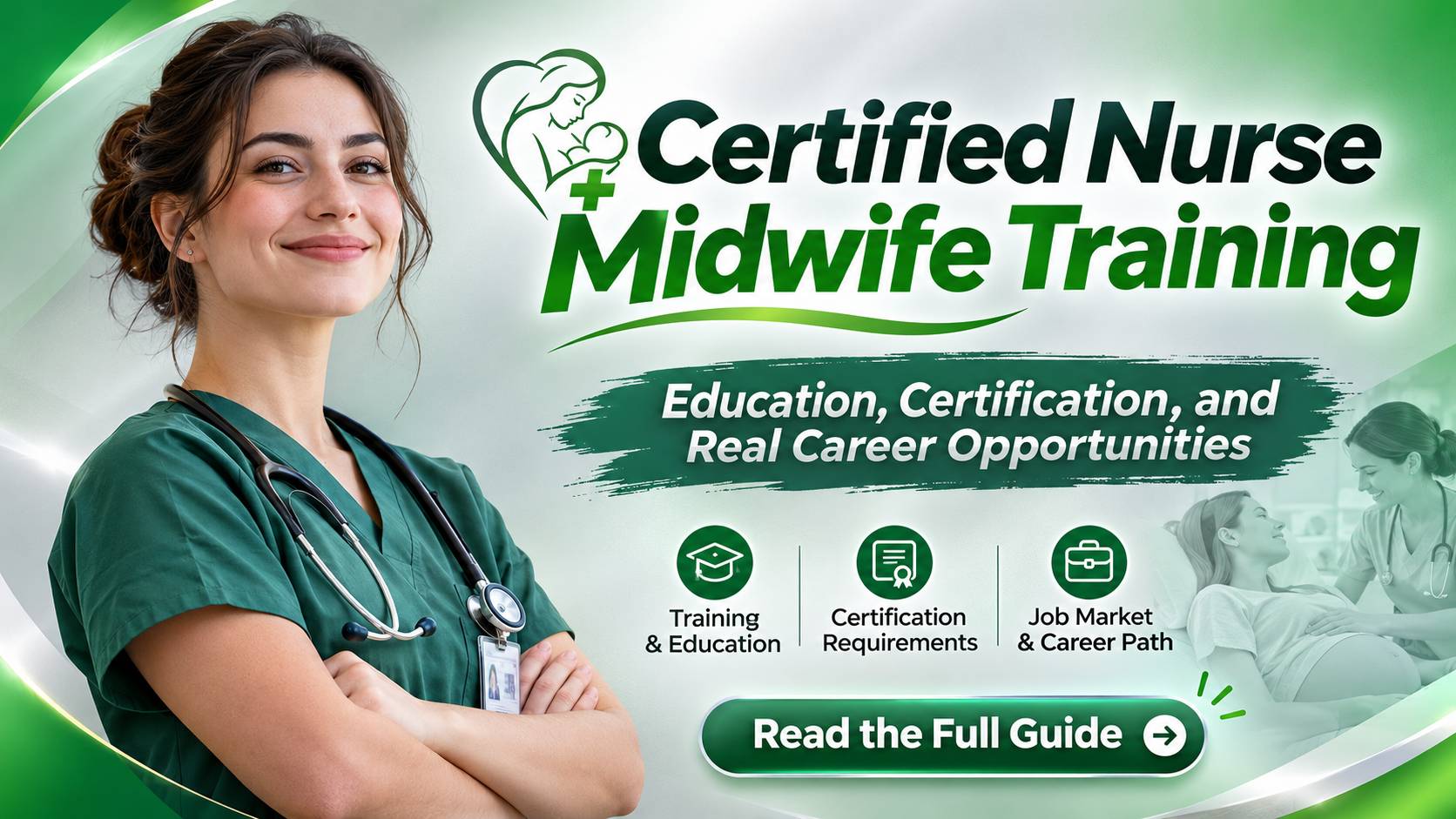
Becoming a Certified Nurse Midwife (CNM) is a significant career step for registered nurses who want to take on greater responsibility in women’s healthcare. The profession offers opportunities to support patients through pregnancy, childbirth, postpartum recovery, and reproductive health. But getting there takes more than clinical experience and an interest in maternity care. Nurses must complete advanced education, develop practical skills, and meet professional certification requirements before entering this specialized field.
Healthcare organizations need qualified professionals who can provide safe maternity care while recognizing situations that require additional medical intervention. This creates opportunities for trained nurse midwives, although finding the right position isn’t always easy. Employers have different expectations, and newly qualified graduates may face competition from candidates with stronger clinical backgrounds. Understanding the demands of Certified Nurse Midwife Training is therefore an important first step for nurses considering this career move.
Understanding Certified Nurse Midwife Training and Professional Requirements
Certified Nurse Midwife Training prepares registered nurses to provide advanced care during pregnancy, labor, childbirth, and the postpartum period. The training also covers reproductive healthcare, preventive services, and routine gynecological care. Compared with general nursing education, the program places greater emphasis on clinical assessment, independent decision-making within the scope of practice, and managing the changing needs of women throughout their lives.
In the United States, candidates generally need an active Registered Nurse (RN) license and a qualifying graduate degree from an accredited nurse-midwifery program. Common educational pathways include a Master of Science in Nursing (MSN) and a Doctor of Nursing Practice (DNP).
The academic workload is substantial. Students study advanced physiology, pharmacology, reproductive health, prenatal assessment, labor management, postpartum care, and newborn evaluation. They also learn how to communicate treatment options, counsel patients, and make clinical decisions based on current evidence.
One distinction worth understanding before applying to a program is the difference between a Certified Midwife and a Certified Nurse Midwife. Although both professionals work in midwifery, their educational entry routes and certification requirements are different. Choosing the wrong pathway can create unnecessary complications later. This comparison of Certified Midwife vs. Certified Nurse Midwife: Understanding the Differences provides useful background.
Certified Nurse Midwife Education and Certification Requirements
Not every graduate nursing program qualifies students to become Certified Nurse Midwives. Applicants should look for programs accredited by the Accreditation Commission for Midwifery Education (ACME). This accreditation is important because candidates must satisfy the educational eligibility requirements before pursuing national certification.
Classroom learning is only part of the preparation. Clinical experience gives students the opportunity to assess pregnant patients, monitor fetal well-being, manage labor, assist with vaginal deliveries, evaluate postpartum recovery, and provide newborn care. They must also recognize warning signs that require consultation, collaboration, or referral to an obstetric specialist.
After completing an eligible graduate program, candidates can apply for the national certification examination administered by the American Midwifery Certification Board (AMCB). Passing the examination establishes the Certified Nurse Midwife credential. However, certification and state licensure are separate requirements, so graduates must also understand the regulations governing practice in their intended state.
The time needed to complete graduate education varies. Many nurses spend approximately two to four years studying after earning a bachelor’s degree, depending on enrollment status and program structure. Those who want to understand the process from the beginning can review How to Become a Certified Nurse Midwife: Education and Certification Steps.
The Job Market for Certified Nurse Midwives: Opportunities and Challenges
Graduating from a nurse-midwifery program is an achievement, but it doesn’t automatically translate into a job offer. Healthcare employers look beyond academic qualifications. They want professionals who can manage clinical responsibilities, communicate clearly with patients, and work effectively alongside obstetricians, nurses, and other members of the healthcare team.
CNMs work in several settings, including hospitals, birth centers, private practices, community health organizations, and women’s healthcare clinics. The daily responsibilities can differ considerably between these workplaces.
In a hospital, a nurse midwife may participate in prenatal assessments, labor management, vaginal deliveries, and postpartum care. Employers in these environments often value previous labor and delivery experience, particularly when positions involve demanding clinical situations or rotating schedules.
Outpatient clinics have a different emphasis. Patient education, contraception counseling, routine gynecological services, and preventive healthcare may account for a larger part of the workload. Candidates interested in these positions should be comfortable building long-term relationships with patients rather than focusing exclusively on childbirth.
This difference matters when searching for employment. A newly certified CNM may meet every educational requirement but still lack the practical experience an employer prefers. Some facilities provide structured orientation for new graduates, while others seek practitioners who can take on responsibilities with less supervision. Applicants should examine job descriptions carefully instead of assuming that certification alone will satisfy every hiring requirement.
Actual vacancies illustrate the range of opportunities available. For example, Chase Brexton Health Services’ Certified Nurse Midwife opportunity in Baltimore, MD represents a community-oriented healthcare setting where reproductive and women’s health services are important.
A different environment can be seen in the Certified Nurse Midwife position at Valley Medical Center in Renton, WA, which illustrates opportunities within a hospital-based healthcare organization.
These examples also reveal why job seekers shouldn’t limit their search to one type of employer. Geographic flexibility, clinical experience, state practice regulations, and willingness to work in different healthcare environments can influence employment prospects. A thoughtful job search should consider all these factors, not simply the number of vacancies advertised.
Choosing the Right Certified Nurse Midwife Training Program
The university a nurse chooses can influence both the educational experience and the transition into professional practice. Tuition and program duration matter, but they shouldn’t be the only deciding factors. Accreditation, clinical placement support, faculty experience, and eligibility for national certification deserve equal attention.
Clinical placement is particularly important. Some universities arrange supervised experiences through established healthcare partnerships. Others expect students to help find suitable clinical sites. For nurses who are already employed, the second arrangement can create scheduling difficulties, especially when clinical facilities are located far from home or work.
Online and hybrid programs offer flexibility for registered nurses who don’t want to leave their current jobs. Academic coursework may be available remotely, but practical training still requires supervised, in-person clinical experience. Students should confirm how the university handles placements before paying tuition or committing to a particular schedule.
It’s also worth looking beyond the advertised program features. Ask about graduation requirements, clinical supervision, certification examination preparation, total tuition, and available financial assistance. A program that appears affordable at first may involve additional expenses for travel, accommodation, or clinical arrangements.
Comparing accredited Nurse Midwife Programs: Educational Pathways and Training Options can help applicants narrow their choices and identify programs that match their professional plans.
Financial preparation deserves serious consideration, too. Graduate education involves tuition, examination fees, licensing expenses, and potentially fewer working hours. Employer tuition assistance, scholarships, and university financial aid may reduce the burden, but candidates should calculate the full cost before enrolling.
FAQ: Certified Nurse Midwife Training and Career Opportunities
1. How long does Certified Nurse Midwife Training take in the United States?
The length of training depends on the applicant’s previous education and the graduate program selected. Registered nurses with a bachelor’s degree can generally complete an MSN or DNP nurse-midwifery pathway in approximately two to four years of full-time study, although part-time enrollment may take longer. Clinical placement schedules and individual university requirements can also affect graduation dates. Applicants should confirm the expected completion time directly with their chosen institution.
2. Can I complete Certified Nurse Midwife Training online while working as an RN?
Yes. Some accredited universities offer online or hybrid nurse-midwifery programs for registered nurses who want to continue working during graduate education. This arrangement can make academic coursework more manageable, particularly for nurses with family or professional responsibilities. However, clinical training cannot be replaced by online lessons. Students must complete supervised, in-person clinical experiences and should confirm ACME accreditation, placement arrangements, state authorization, and AMCB examination eligibility before enrolling.
3. Is becoming a Certified Nurse Midwife worth it for career advancement?
For registered nurses interested in advanced maternity and women’s healthcare, becoming a CNM can offer greater professional responsibility and opportunities to develop specialized clinical skills. However, the decision involves a substantial investment of time and money. Graduate tuition, clinical commitments, certification, and state licensing all need consideration. Employment opportunities and compensation also differ by location and employer, so reviewing actual vacancies and their qualifications can help candidates make a more informed career decision.
Certified Nurse Midwife Training is an important investment for registered nurses who want to move into advanced women’s healthcare. However, completing the required education is only part of the journey. Clinical competence, professional certification, and the ability to meet employer expectations all influence how successfully graduates enter the workforce.
For prospective students, the smartest approach is to look beyond the degree itself. Choosing an accredited program, gaining meaningful clinical experience, and understanding the requirements of potential employers can make a real difference when applying for CNM positions.
Ultimately, becoming a Certified Nurse Midwife isn’t simply about earning another professional credential. It’s about developing the expertise and judgment needed to deliver quality care while building a sustainable career in women’s healthcare.