Info Hot Job Find your dream job! Get for jobs, post your resume, compare salaries and find career advice and research.
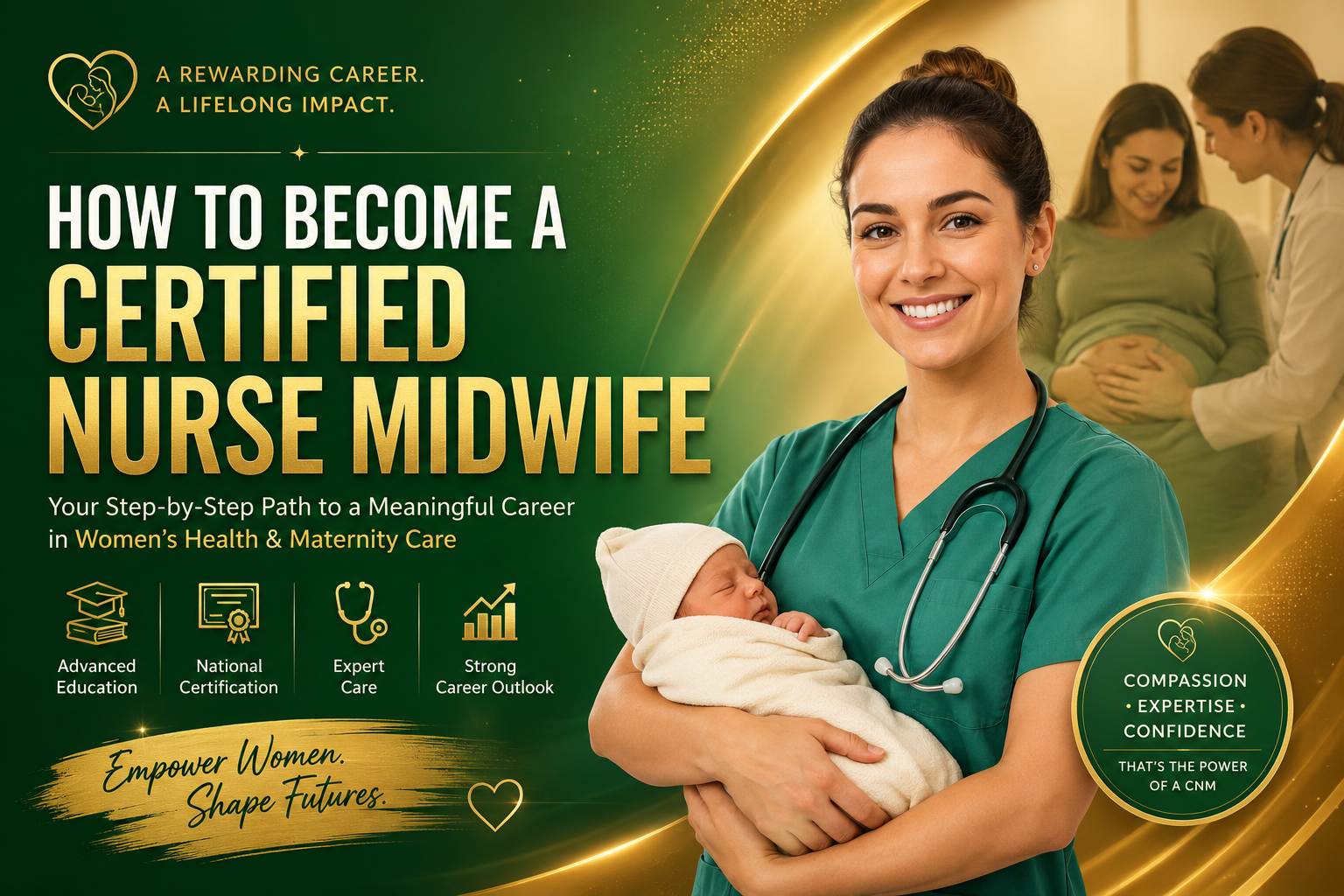
Healthcare never stands still, and neither do the professionals who keep it moving. For registered nurses who want greater autonomy, stronger earning potential, and the opportunity to provide comprehensive care for women throughout every stage of life, becoming a Certified Nurse Midwife (CNM) is one of the smartest career decisions available today. Demand continues to grow as healthcare systems expand access to maternity services, preventive care, and reproductive health, making this profession increasingly valuable across hospitals, birth centers, private practices, and community clinics.
Choosing this career isn’t simply about earning another credential. It’s about building specialized expertise that employers actively seek while gaining the authority to diagnose, treat, educate, and advocate for patients with confidence. Understanding How To Become A Certified Nurse Midwife helps you prepare for every step before investing your time and money.
Education Requirements for How To Become A Certified Nurse Midwife
The journey begins with becoming a licensed Registered Nurse (RN). Most aspiring Certified Nurse Midwives first earn either a Bachelor of Science in Nursing (BSN) or complete an RN-to-BSN pathway before applying to graduate school. Although some bridge programs exist, employers increasingly favor candidates with a BSN because it demonstrates broader clinical preparation and leadership skills.
After earning a nursing degree, candidates must obtain an active RN license and gain clinical experience. While every graduate program has unique admission requirements, experience in labor and delivery, women’s health, neonatal care, or maternal health significantly strengthens an application. Working directly with expectant mothers also helps nurses confirm that the specialty truly matches their career goals.
Graduate education is the next major milestone. Accredited nurse-midwifery programs typically award either a Master of Science in Nursing (MSN) or a Doctor of Nursing Practice (DNP). Coursework combines advanced physiology, pharmacology, women’s primary care, prenatal assessment, labor management, postpartum care, newborn evaluation, and reproductive health. Clinical rotations provide supervised experience managing real patients under certified preceptors.
Readers who want a deeper look at academic pathways can explore the complete guide to Certified Nurse Midwife Education Requirements.
Certification and Licensing Process for Certified Nurse Midwives
Graduating from an accredited program doesn’t automatically grant the Certified Nurse Midwife title. Candidates must successfully pass the national certification examination administered by the American Midwifery Certification Board (AMCB). Passing this examination demonstrates competency in evidence-based maternal and reproductive healthcare.
After certification, each state establishes licensing requirements for practice. Some states allow broader independent practice authority, while others require collaborative agreements with physicians. Understanding your state’s regulations before choosing a graduate program can simplify future employment opportunities.
Certification also requires ongoing maintenance through continuing education and periodic renewal. Healthcare evolves rapidly, and employers expect Certified Nurse Midwives to remain current with clinical guidelines, emerging treatments, patient safety standards, and maternal care best practices.
Students comparing schools can review different educational options through this helpful guide to Certified Nurse Midwife School Programs.
Career Opportunities After Becoming a Certified Nurse Midwife
One reason many nurses pursue this specialty is career flexibility. Certified Nurse Midwives work in large hospital systems, university medical centers, physician practices, federally qualified health centers, military healthcare facilities, birth centers, and rural clinics where maternity providers remain in short supply.
The scope of practice extends well beyond childbirth. CNMs perform annual wellness exams, prescribe medications where authorized, provide family planning services, manage gynecological conditions, support menopause care, and deliver preventive healthcare throughout a patient’s lifetime. That variety keeps the work engaging while expanding long-term career stability.
Employment outlook remains favorable because many communities continue facing shortages of maternity care providers. Healthcare organizations increasingly recognize Certified Nurse Midwives as essential members of multidisciplinary care teams that improve maternal outcomes while reducing unnecessary interventions.
If you’re still comparing graduate education choices, reviewing different Nurse Midwife Programs can help identify the best fit for your career plans.
Professionals interested in employer-specific opportunities may also find value in learning about positions available through Moses Cone Health System Certified Nurse Midwife Careers.
Community-based healthcare is another rewarding direction. Explore what it’s like working with Community of Hope Certified Nurse Midwife Careers if serving underserved populations aligns with your professional goals.
Strong preparation often includes updated clinical references and professional study materials. Many future nurse midwives also choose to build their personal learning library with recommended nursing resources before beginning graduate coursework.
Skills That Make Certified Nurse Midwives Stand Out
Academic achievement alone doesn’t guarantee career success. Employers consistently look for candidates who combine clinical expertise with excellent communication, emotional intelligence, and sound clinical judgment. Every patient interaction requires the ability to explain complex medical information clearly while respecting cultural values and individual birth preferences.
Decision-making under pressure also separates exceptional Certified Nurse Midwives from average practitioners. Labor and delivery environments can change rapidly, making confidence, teamwork, and evidence-based assessment critical components of safe patient care.
Leadership becomes increasingly important as experienced CNMs mentor new nurses, participate in quality improvement initiatives, contribute to maternal safety programs, and advocate for better healthcare access within their communities.
Salary Expectations and Job Outlook
Compensation varies depending on geographic location, employer type, years of experience, and state practice authority. Certified Nurse Midwives generally earn significantly more than registered nurses because of their advanced education, expanded responsibilities, and prescribing authority.
Urban medical centers often offer competitive salaries combined with comprehensive benefits, while rural healthcare organizations may provide loan repayment assistance, relocation incentives, or hiring bonuses to attract qualified professionals. Government agencies and nonprofit organizations can also provide attractive compensation packages alongside opportunities to improve healthcare access in underserved regions.
Perhaps even more important than salary is job security. Maternal healthcare remains an essential service regardless of economic conditions, making Certified Nurse Midwives valuable professionals in both public and private healthcare systems. As healthcare continues emphasizing preventive care and patient-centered outcomes, demand for highly trained advanced practice nurses is expected to remain strong.
FAQ Certified Nurse Midwife Career
1. Is becoming a Certified Nurse Midwife worth the time and financial investment?
For many registered nurses, the answer is yes because the career offers greater professional independence, higher earning potential, and broader clinical responsibilities. Graduate education requires commitment, but Certified Nurse Midwives often gain access to leadership positions, expanded practice authority, and diverse employment settings that may not be available to RNs. The long-term return depends on career goals, geographic location, and willingness to pursue advanced education, yet demand for qualified providers continues to support strong employment opportunities.
2. How long does it usually take to become a Certified Nurse Midwife after becoming an RN?
The timeline varies depending on your educational background and whether you study full-time or part-time. After earning a BSN and obtaining RN licensure, most accredited graduate nurse-midwifery programs require approximately two to four years to complete, including clinical training. Candidates must then pass the national certification examination and satisfy state licensing requirements before beginning independent practice. Previous nursing experience can also strengthen both graduate school applications and future employment prospects.
3. Where can Certified Nurse Midwives work besides hospitals?
Certified Nurse Midwives enjoy a wide range of career options beyond hospital labor and delivery units. Many work in community health centers, women’s health clinics, physician practices, birth centers, military healthcare facilities, university medical systems, and public health organizations. Some also participate in research, nursing education, healthcare administration, or policy development. This diversity allows professionals to build careers that align with their clinical interests while responding to changing healthcare needs throughout their working lives.
Understanding How To Become A Certified Nurse Midwife is more than learning a sequence of educational milestones. It’s recognizing a profession that combines advanced clinical knowledge, meaningful patient relationships, and long-term career stability. Nurses willing to invest in graduate education and national certification position themselves for opportunities that extend far beyond traditional bedside care. As healthcare systems continue expanding women’s health services, Certified Nurse Midwives remain among the most respected and sought-after advanced practice professionals in today’s job market.