Info Hot Job Find your dream job! Get for jobs, post your resume, compare salaries and find career advice and research.
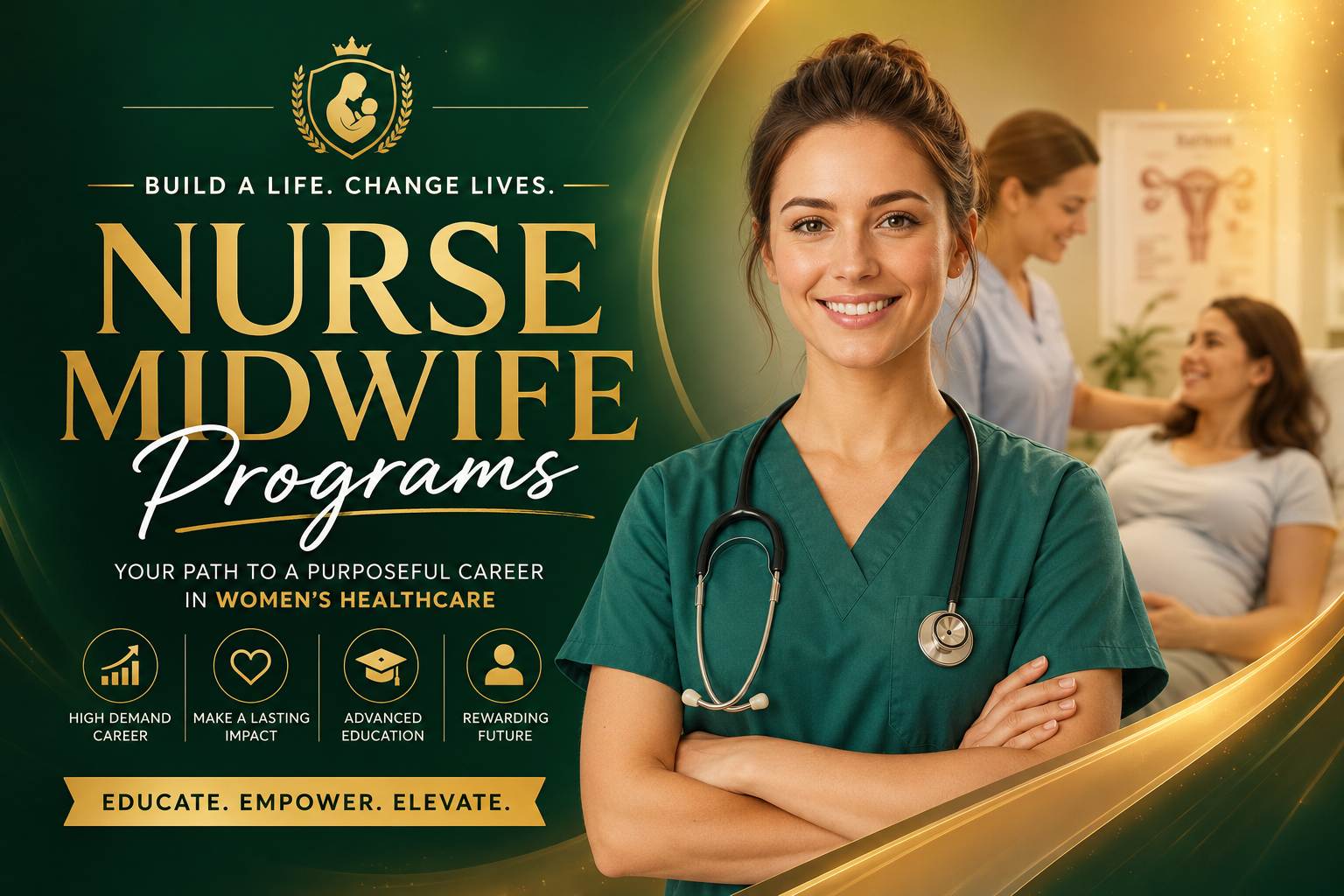
Healthcare continues to evolve, but one profession remains in exceptionally high demand: certified nurse-midwives. Hospitals, birth centers, private practices, and community clinics across the United States are actively seeking qualified professionals who can provide compassionate, evidence-based care throughout pregnancy, childbirth, and women’s reproductive health. That demand has made Nurse Midwife Programs one of the most valuable educational investments for registered nurses who want to expand their careers while making a lasting difference in patients’ lives.
The combination of advanced clinical responsibility, competitive salaries, and increasing employment opportunities makes this profession attractive to both experienced nurses and those planning a long-term healthcare career. As healthcare systems place greater emphasis on preventive care and patient-centered services, nurse-midwives have become essential members of multidisciplinary medical teams.
Why Nurse Midwife Programs Create Strong Career Opportunities
Choosing one of today’s accredited Nurse Midwife Programs isn’t simply about earning another degree. It’s about preparing for a profession that continues to experience stable job growth despite changes throughout the healthcare industry.
Most programs are designed for registered nurses who already possess clinical experience and want to specialize in advanced maternal and women’s healthcare. Students develop expertise in prenatal care, labor and delivery management, postpartum recovery, newborn assessment, family planning, gynecologic care, and preventive health services.
Graduates are prepared to sit for national certification examinations before pursuing state licensure. Employers often favor candidates who complete accredited graduate-level education because the curriculum combines rigorous academic study with extensive supervised clinical practice.
The employment outlook also supports this educational path. Healthcare organizations continue expanding maternity services while communities seek providers capable of delivering personalized care. This growing need creates consistent hiring opportunities in urban medical centers, rural hospitals, outpatient clinics, military facilities, and private women’s health practices.
For aspiring professionals who want to understand academic pathways in greater detail, exploring the Certified Nurse Midwife School guide provides an excellent overview of educational options available today.
Accredited Nurse Midwife Programs Build Advanced Clinical Skills
High-quality Nurse Midwife Programs emphasize much more than classroom instruction. Students spend hundreds of supervised clinical hours working alongside experienced certified nurse-midwives, obstetricians, neonatal specialists, and interdisciplinary healthcare teams.
During clinical rotations, future nurse-midwives gain confidence managing low-risk pregnancies, monitoring fetal development, recognizing complications, performing physical assessments, educating expectant families, and coordinating comprehensive reproductive healthcare.
Communication skills receive equal attention. Successful nurse-midwives must explain complex medical information clearly, support patients during emotionally significant life events, collaborate with physicians when necessary, and advocate for safe, evidence-based care.
Modern programs also integrate leadership, healthcare policy, ethics, research interpretation, quality improvement, and cultural competency. These competencies help graduates adapt to changing healthcare environments while maintaining high standards of patient safety.
Educational flexibility has improved significantly in recent years. Many universities now offer hybrid and distance-learning formats that allow registered nurses to continue working while completing graduate coursework. Clinical placements remain in-person, ensuring graduates develop practical competencies before entering independent practice.
Registered nurses interested in flexible education should also review available Certified Nurse Midwife Online Programs to compare scheduling options that accommodate full-time employment.
Education Requirements and Career Advancement After Nurse Midwife Programs
Admission into competitive Nurse Midwife Programs generally requires an active RN license, a Bachelor of Science in Nursing (BSN), satisfactory academic performance, professional recommendations, and relevant clinical experience. Some universities also consider applicants with alternative nursing pathways through bridge programs.
After graduation, candidates pursue national certification and state licensure before beginning professional practice. Continuing education remains an important part of maintaining credentials because evidence-based guidelines continue evolving alongside medical research.
Career progression doesn’t stop after certification. Many nurse-midwives become clinical educators, program directors, healthcare administrators, public health leaders, policy advocates, or university faculty members. Others establish collaborative private practices that focus on comprehensive women’s healthcare.
Salary potential also reflects the profession’s advanced responsibilities. Compensation varies according to geographic region, employer type, years of experience, and specialty services provided. Nevertheless, certified nurse-midwives consistently rank among the higher-paying advanced nursing specialties, making graduate education financially worthwhile over the long term.
Prospective students can better understand admission expectations by reviewing the complete Certified Nurse Midwife Education Requirements resource before selecting a graduate program.
Employment opportunities continue expanding across diverse healthcare settings. Professionals seeking inspiration can explore real-world positions such as the Certified Nurse Midwife opportunity at Moses Cone Health System in Greensboro, NC to better understand employer expectations and career pathways.
Likewise, candidates interested in serving diverse patient populations may find valuable insight from the Certified Nurse Midwife position at Community of Hope in Washington, DC, which highlights the growing demand for advanced women’s healthcare providers in community-based settings.
Professional development extends beyond formal education as well. Many practicing nurse-midwives invest in updated clinical references and evidence-based learning materials to stay current with evolving standards of care. A well-reviewed clinical reference resource can become a valuable companion throughout graduate study and professional practice.
FAQ Nurse Midwife Career Path
- What should I look for when comparing Nurse Midwife Programs?
The most important factor is accreditation because graduates from accredited Nurse Midwife Programs qualify for certification and state licensure. Beyond accreditation, compare clinical placement opportunities, faculty experience, graduation rates, certification pass rates, scheduling flexibility, tuition costs, and employer reputation. Programs with strong partnerships with hospitals and healthcare systems often provide broader clinical exposure and stronger networking opportunities that may improve employment prospects after graduation.
- Can I work full-time while completing Nurse Midwife Programs?
Many universities recognize that their students are already registered nurses with demanding schedules. Hybrid and online coursework allows students to complete lectures and assignments more flexibly, although clinical rotations still require in-person participation. Successfully balancing employment and graduate education requires careful planning, supportive employers, and excellent time management, but many working nurses complete their degrees without leaving their current positions.
- Are Nurse Midwife Programs worth the investment for long-term career growth?
For many registered nurses, the answer is yes. Nurse Midwife Programs provide access to advanced clinical responsibilities, greater professional autonomy, higher earning potential, and broader leadership opportunities. As healthcare systems continue emphasizing preventive maternal care and women’s health services, certified nurse-midwives remain valuable providers whose expertise is increasingly sought after by hospitals, community clinics, birth centers, and physician practices across the United States.
Apply Nurse Midwife Programs Jobs
Choosing the right Nurse Midwife Programs can shape an entire career. Accredited education builds the clinical expertise, professional confidence, and leadership skills required to succeed in one of healthcare’s most respected advanced practice roles. With strong employment demand, meaningful patient relationships, and opportunities for long-term professional growth, becoming a certified nurse-midwife remains an excellent choice for registered nurses who want to elevate both their careers and the quality of care they provide.