 Info Hot Job Find your dream job! Get for jobs, post your resume, compare salaries and find career advice and research.
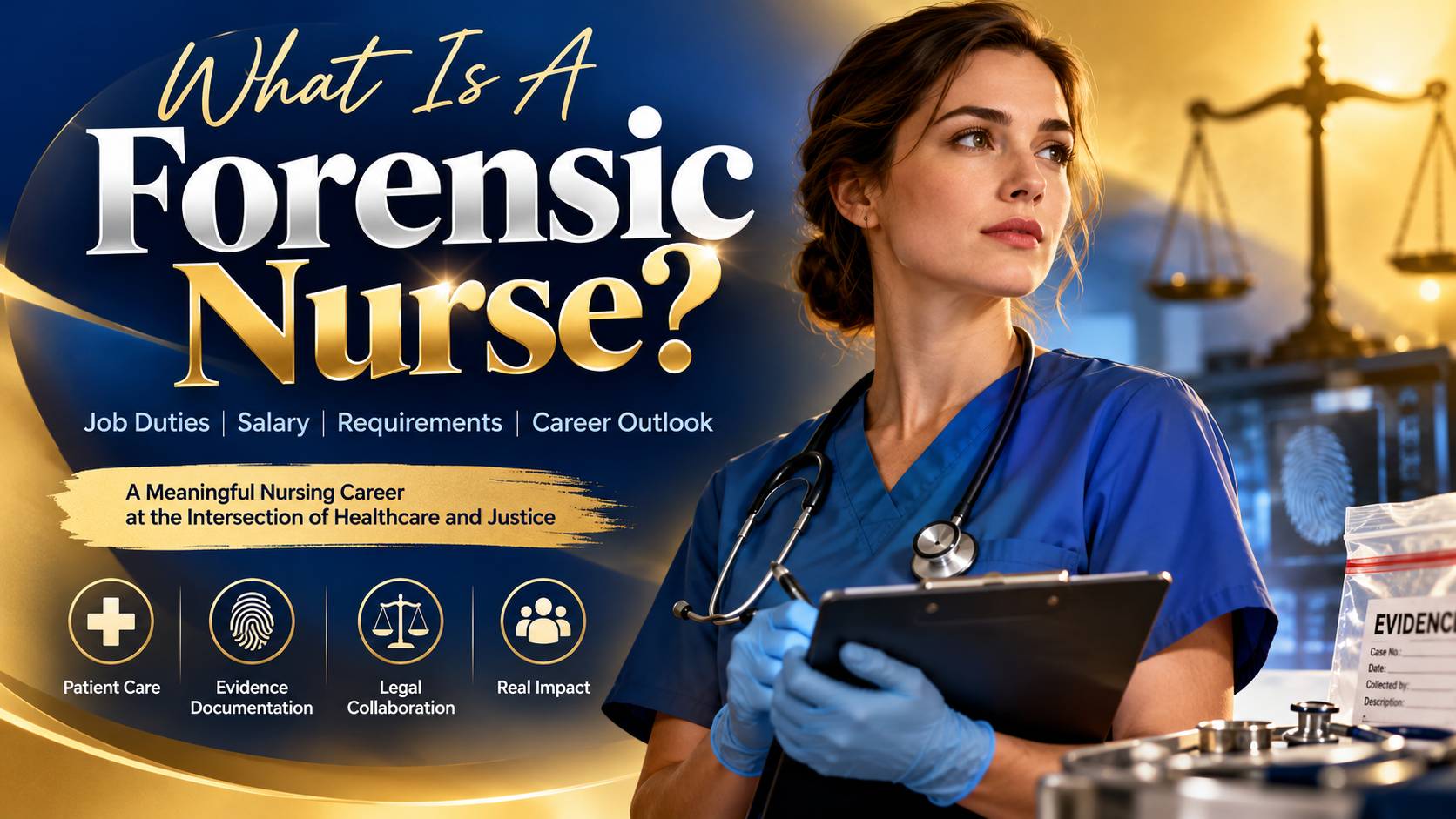
A patient arrives at an emergency department after an assault. The immediate priority is medical care, but the injuries may also become important evidence in a criminal investigation. This is where a forensic nurse’s expertise matters. These professionals combine clinical knowledge with forensic training to care for people affected by violence, abuse, and trauma. The work can be rewarding, but it also demands careful judgment, accurate documentation, and the ability to remain composed when patients are facing some of the most difficult moments of their lives.
What Is A Forensic Nurse and What Does the Job Involve?
A forensic nurse is a registered nurse or advanced practice nurse with specialized knowledge of healthcare and forensic principles. The role involves caring for patients whose injuries or circumstances may have legal implications. Alongside clinical assessment and patient advocacy, forensic nurses may document injuries, collect evidence, and coordinate with other professionals when appropriate.
Their patients may include survivors of sexual assault, domestic violence, child abuse, elder abuse, human trafficking, and physical assault. Depending on their training and workplace, forensic nurses may also work in correctional healthcare, forensic psychiatric services, death investigations, legal consulting, and research.
The distinction between healthcare and investigation matters. A forensic nurse isn’t simply an assistant to law enforcement. Medical treatment, informed consent, confidentiality, and patient dignity remain central to the job. A patient may accept medical care while declining certain forensic procedures. Nurses must explain available options clearly, respect the patient’s decisions, and follow applicable clinical and legal requirements.
Objectivity is just as important as compassion. When documenting an injury, the nurse records observable findings and relevant statements rather than making unsupported assumptions about what happened. A precise description of an injury is more useful than a speculative conclusion about its cause. This approach supports patient care and helps ensure that clinical records can be interpreted accurately if they later become part of legal proceedings.
Forensic Nurse Job Duties and Essential Skills
The daily workload depends on the nurse’s specialty. A Sexual Assault Nurse Examiner (SANE), for example, may conduct a specialized examination, document injuries, collect forensic samples, provide preventive treatment, and arrange referrals for follow-up care. Other forensic nurses may assess injuries, maintain evidence records, consult with investigative teams, educate healthcare professionals, or provide expert testimony when qualified.
Evidence handling requires particular care. When collection falls within the nurse’s assigned responsibilities, specimens must be labeled, documented, stored, and transferred according to established procedures. The chain of custody records how evidence is handled and transferred. Gaps in that record can raise questions about its integrity. Clinical notes must also be timely, factual, and consistent with professional standards.
Technical knowledge alone won’t prepare someone for every situation. Patients may be frightened, disoriented, or reluctant to discuss what happened. Explaining procedures before they begin, allowing time for questions, and avoiding judgmental language can help patients retain a sense of control. Trauma-informed care requires sensitivity without sacrificing clinical objectivity.
The emotional demands deserve equal attention. Repeated exposure to traumatic experiences can contribute to secondary traumatic stress, particularly when staffing and support are inadequate. Nurses considering this specialty should ask prospective employers about training, supervision, workload, and access to professional support. The ability to manage difficult cases matters, but so does having a workplace that takes staff well-being seriously.
Nurses interested in other specialized clinical pathways may also consider certified nurse midwife positions, particularly if they want to focus on women’s health, reproductive care, and advanced clinical practice.
How to Become a Forensic Nurse and Find Job Opportunities
Most forensic nursing positions require an active registered nurse license, although qualifications differ by role and jurisdiction. Clinical experience in emergency care, pediatrics, psychiatric nursing, or other relevant settings can provide a useful foundation. Experience with patient assessment, sensitive conversations, and accurate clinical records is particularly valuable when moving into forensic practice.
Specialized education builds on that foundation. Depending on the intended role, training may cover forensic examinations, trauma-informed care, injury documentation, evidence preservation, ethics, legal considerations, and courtroom testimony. Nurses interested in sexual assault examinations should review Sexual Assault Nurse Examiner training and the requirements applicable to their intended workplace.
Certification arrangements also deserve attention. In April 2026, the American Nurses Credentialing Center (ANCC) announced that it would assume responsibility for SANE-A and SANE-P certification activities previously managed by the International Association of Forensic Nurses. According to ANCC’s current guidance, the credentials are available for renewal, while the organization reviews options for reintroducing initial certification examinations. Existing credential holders whose certifications were due to expire in 2026 have been extended through December 31, 2027. Nurses seeking initial certification should check the official ANCC certification update before making training or career plans.
Completing training doesn’t guarantee a forensic nursing position. Some hospitals maintain dedicated forensic nursing teams, while others assign these responsibilities to appropriately trained nurses alongside their regular clinical duties. Opportunities depend on local healthcare services, employer needs, available funding, and the nurse’s qualifications.
Career development can extend into education, research, leadership, legal nurse consulting, and specialized clinical services. Nurses interested in clinical technology and healthcare information systems may explore informatics nurse jobs. Those seeking different responsibilities in care coordination and clinical leadership can also review charge nurse and hospice RN opportunities.
Forensic Nurse Salary and Career Outlook
Forensic nursing doesn’t have a separate occupational category in the U.S. Bureau of Labor Statistics that provides a definitive national salary or employment projection specifically for this specialty. Actual compensation can vary by location, experience, employer, working hours, and whether the position is full-time, part-time, or on-call.
The broader registered nursing workforce offers a useful point of comparison. According to the U.S. Bureau of Labor Statistics, the median annual wage for registered nurses was $97,550 in May 2025. Employment of registered nurses is projected to grow 6% from 2025 to 2035, with approximately 180,800 openings expected annually on average. These figures describe registered nurses overall, not forensic nurses specifically. Source: U.S. Bureau of Labor Statistics.
For job seekers, actual vacancies provide a clearer picture of the opportunities available. Review whether an employer requires previous forensic experience, provides specialized training, offers on-call compensation, or expects nurses to testify in court. These details help determine whether a position matches your qualifications and career goals better than a general nursing salary figure alone.
FAQ Forensic Nurse Career
1. Do forensic nurses need special certification to work in the United States?
Requirements vary by employer, state, and area of practice. Some positions require specialized forensic education or clinical experience, while sexual assault examination roles may have additional training or certification expectations. Because SANE certification arrangements are changing, nurses should review current ANCC guidance alongside state regulations and employer policies before choosing a training program or applying for a position.
2. Is forensic nursing a good career for nurses who want to work with law enforcement?
Forensic nursing may suit professionals interested in the connection between healthcare and the justice system, but it isn’t primarily a law enforcement position. Nurses remain responsible for patient-centered care, informed consent, confidentiality, accurate documentation, and ethical practice. They may collaborate with investigators when appropriate, but they must maintain professional independence and respect patients’ rights throughout the process.
3. What is the job outlook for forensic nurses in 2026?
Employment opportunities vary by region, healthcare facility, and specialty. The U.S. Bureau of Labor Statistics doesn’t publish a separate national growth projection for forensic nurses. Overall registered nurse employment is projected to grow 6% from 2025 to 2035, but that figure doesn’t establish the growth rate for forensic nursing. Applicants should review current vacancies and verify the qualifications required by individual employers.
Forensic nursing combines clinical care with responsibilities that can influence both a patient’s recovery and a legal investigation. The work requires more than an interest in criminal cases: nurses need specialized preparation, reliable documentation skills, ethical judgment, and the ability to work with people experiencing trauma. For those prepared to meet these demands, the specialty offers a meaningful path into healthcare, with career options shaped by experience, qualifications, and local employment opportunities.


