Info Hot Job Find your dream job! Get for jobs, post your resume, compare salaries and find career advice and research.
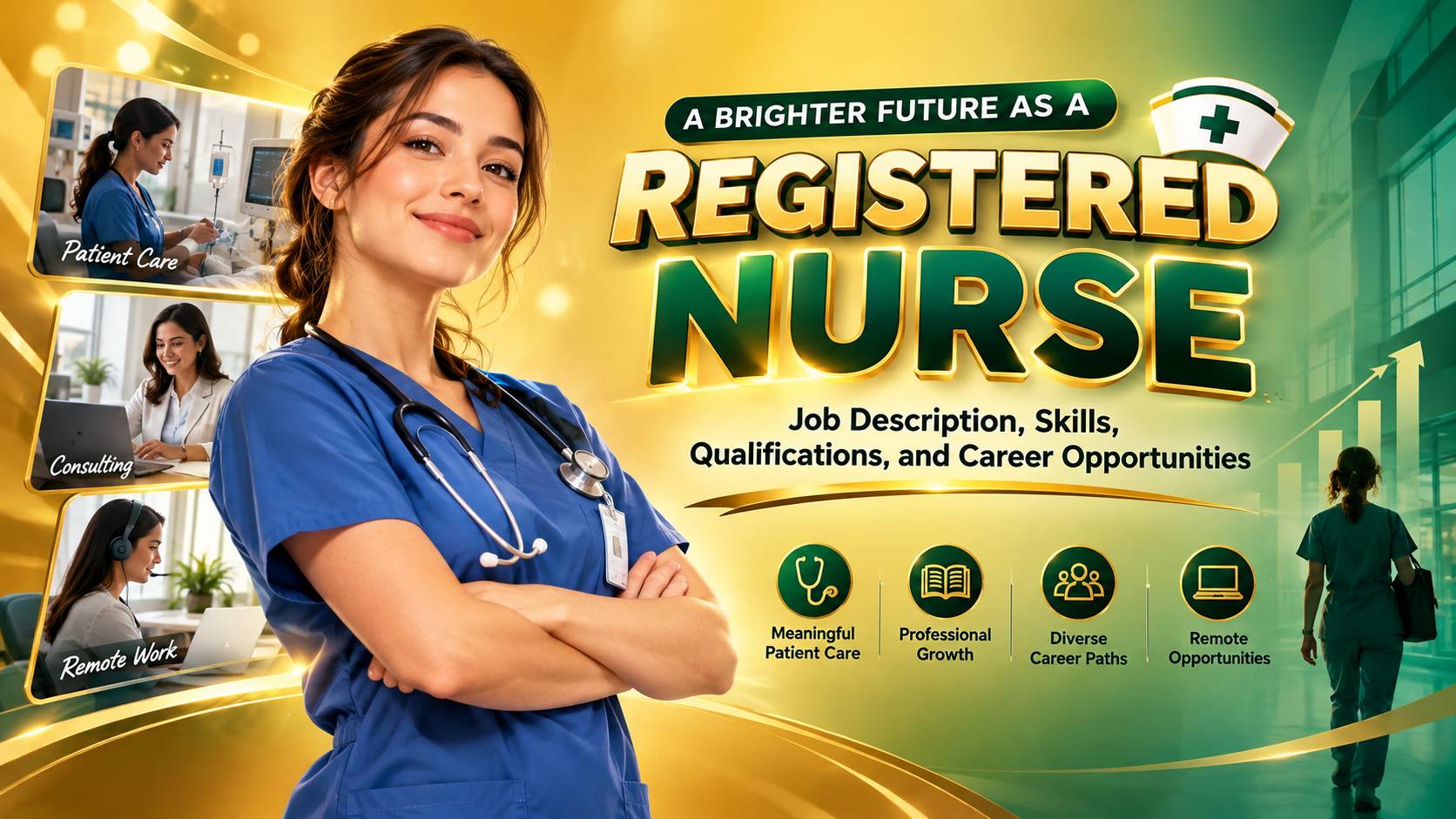
A career as a Registered Nurse can take you far beyond a hospital bedside. Many nurses begin with direct patient care and later discover opportunities in outpatient services, insurance, clinical consulting, remote healthcare, education, or specialized practice. The profession combines medical knowledge with practical judgment, communication, and the ability to stay focused when patient needs change quickly.
The work isn’t always easy. A nurse may have several patients to monitor, medications to administer, records to complete, and families who need clear answers, sometimes within the same shift. That combination of responsibility and human interaction is what makes nursing demanding—and why strong clinical skills can remain valuable throughout a nurse’s career.
Registered Nurse Job Description and Daily Responsibilities
A Registered Nurse provides direct patient care and helps keep the overall care process organized. Depending on the workplace, an RN may assess patients, check vital signs, administer medications, assist with procedures, document clinical findings, and report important changes to physicians or other members of the healthcare team.
Patient education is another routine part of the job. Nurses may explain medications, treatment plans, discharge instructions, warning signs, or recovery steps to patients and their families. The ability to explain medical information clearly matters because even an excellent treatment plan can fail when a patient doesn’t understand what to do after leaving the healthcare facility.
The daily routine also changes considerably from one setting to another. An RN working on a hospital unit may deal with complex or rapidly changing conditions, while a clinic nurse may spend more time on preventive care, follow-up visits, and routine treatments. Some nurses eventually use the same clinical experience in roles where direct bedside care is no longer the main responsibility.
Education is the first major step for anyone entering the profession. Choosing an appropriate nursing program can shape future licensing and career options, making resources such as Chamberlain College of Nursing relevant for students researching nursing education.
Registered Nurse Skills and Qualifications
Most Registered Nurse positions require completion of an approved nursing education program, successful completion of the applicable nursing licensure examination, and compliance with the licensing requirements of the state where the nurse will practice. Because licensing rules can differ by jurisdiction, candidates should check the current requirements established by the appropriate nursing regulatory authority.
Clinical knowledge is only part of what employers look for. An RN needs to notice meaningful changes in a patient’s condition, prioritize competing tasks, communicate accurately, and document care without losing important details. These skills become particularly important during busy shifts, when several patients may require attention at the same time.
Technology has also become part of everyday nursing practice. Electronic health records, medication systems, patient-monitoring equipment, and telehealth platforms are now common across many healthcare settings. A nurse who understands both clinical care and digital systems may be able to move into positions that rely less on traditional bedside work.
Professional development doesn’t end after licensure, either. Experience and additional training can help nurses build expertise in critical care, emergency nursing, oncology, pediatrics, informatics, case management, and other specialties. Nurses preparing for examinations or looking to strengthen their professional knowledge may also find Kaplan Nursing useful as part of their preparation.
Registered Nurse Jobs and Career Opportunities
Hospitals continue to employ large numbers of registered nurses across medical-surgical units, emergency departments, intensive care, maternity services, operating rooms, and specialized departments. These jobs can provide valuable clinical experience, but they can also involve rotating shifts, weekends, holidays, heavy workloads, and patients whose conditions change without warning.
That experience can become useful outside the hospital as well. Nurses routinely develop skills in reviewing medical information, documenting clinical decisions, communicating with different professionals, and identifying problems that need attention. Those abilities have practical value in insurance, healthcare operations, consulting, and clinical review.
Nurse consulting is one example. Instead of spending an entire shift at a patient’s bedside, a nurse consultant may review medical information, assess clinical documentation, support claims operations, or provide clinical input to a healthcare organization. A role such as MetLife Nurse Consultant in Tampa, FL shows how nursing knowledge can be used in a corporate healthcare environment.
Remote nursing work provides another option for professionals whose experience fits clinical review or administrative healthcare functions. Clinical appeals and utilization review positions may involve examining medical records, assessing medical necessity, preparing documentation, and communicating decisions through digital systems. Clinical Appeals Nurse remote opportunities are an example of how an RN’s clinical background can support work away from the traditional hospital floor.
Not every career change requires leaving clinical nursing behind. Some nurses choose to develop deeper expertise in a specialty such as oncology, emergency care, critical care, women’s health, or pediatrics. With additional education and the required credentials, a nurse can also progress into advanced practice. Opportunities such as oncology nurse practitioner and PA positions illustrate how nursing experience can become a foundation for more advanced clinical responsibilities.
The important point is that an RN license doesn’t dictate one permanent job. A nurse might spend several years at the bedside, move into clinical review, develop a specialty, take on leadership responsibilities, or pursue further education. Experience gained in one setting can often become the foundation for the next stage.
FAQ Registered Nurse Career and Jobs
1. What does a Registered Nurse do every day?
Registered Nurse duties depend on the healthcare setting, specialty, and patients being treated. Typical responsibilities include assessing patients, monitoring vital signs, administering medications, providing treatments, documenting care, educating patients, and communicating changes in condition to the healthcare team. Some RNs also handle discharge planning, care coordination, quality improvement, and patient safety responsibilities.
2. What qualifications are needed to become a Registered Nurse?
Most Registered Nurse careers require completion of an approved nursing education program and successful completion of the applicable nursing licensure examination. Nurses must also meet the licensing requirements in the state where they intend to practice. Individual employers may set additional requirements, such as clinical experience, specialty certifications, continuing education, background checks, or specific technical skills related to the position.
3. Can a Registered Nurse work outside a hospital?
Yes. Registered Nurses work in outpatient clinics, physician offices, schools, long-term care facilities, insurance companies, public health organizations, corporate healthcare departments, and remote clinical operations. Depending on their experience and qualifications, nurses can also move into consulting, case management, utilization review, clinical appeals, education, quality improvement, or healthcare administration.
A Registered Nurse career doesn’t have to follow a single path. Bedside care can build the clinical judgment and practical experience needed for many other roles, from specialty nursing and leadership to consulting, clinical review, remote healthcare, and advanced practice. For nurses who continue building their skills, the license can remain useful long after their first nursing job.