 Info Hot Job Find your dream job! Get for jobs, post your resume, compare salaries and find career advice and research.
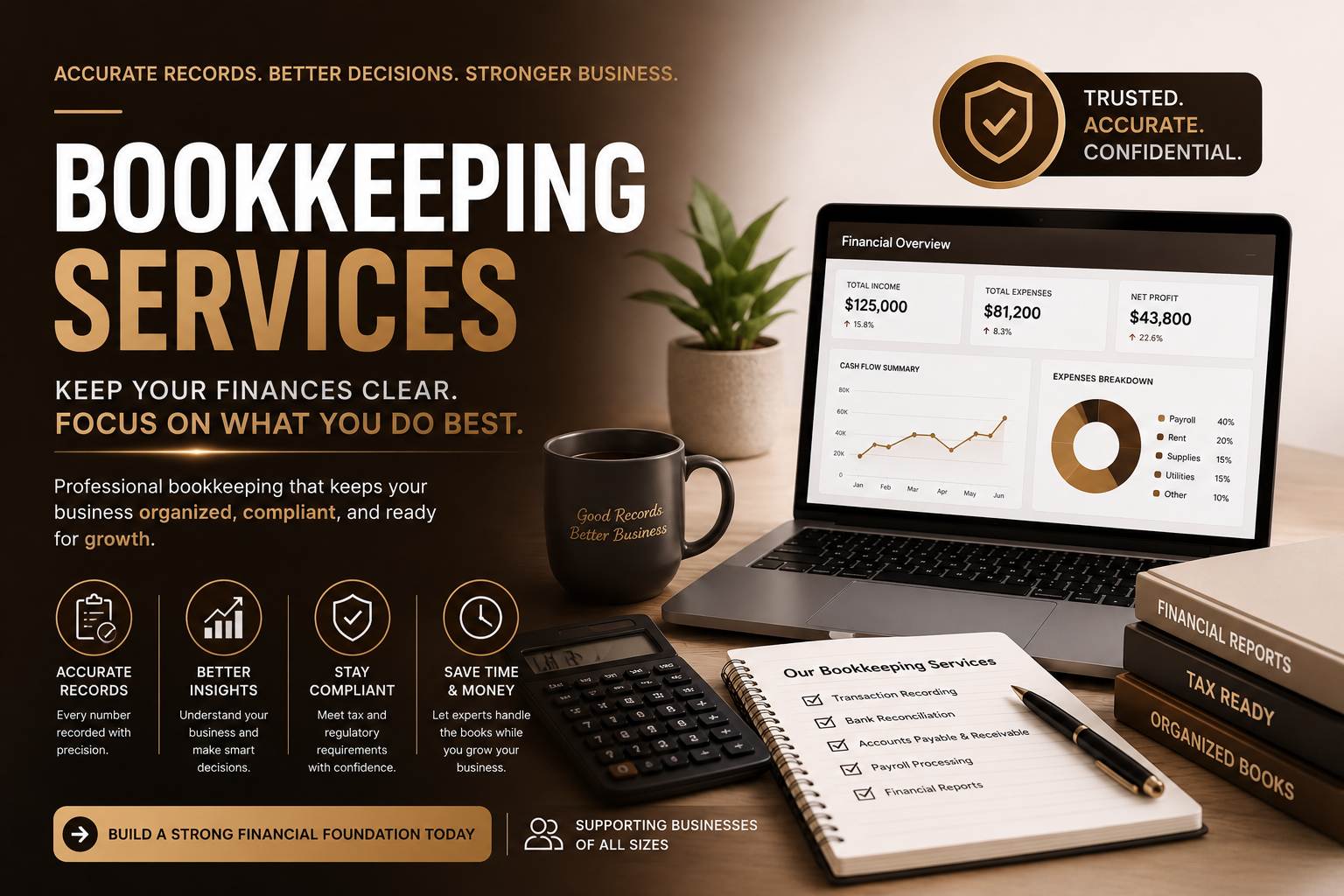 Behind every successful business is a financial system that works quietly and consistently. Sales may drive revenue, but organized financial records keep operations healthy. That’s where Bookkeeping Services become indispensable. Whether a company has five employees or five thousand, maintaining accurate books isn’t optional—it’s a business necessity.
The growing complexity of financial regulations, digital accounting software, and real-time reporting has also changed how employers hire bookkeeping professionals. Companies no longer need someone who simply records transactions. They want individuals who understand financial processes, solve problems efficiently, and help maintain reliable financial information that supports business decisions.
How Bookkeeping Services Support Modern Businesses
Bookkeeping Services involve much more than recording income and expenses. Professional bookkeepers organize financial transactions, reconcile bank accounts, monitor accounts payable and receivable, process payroll information, prepare financial reports, and ensure records remain accurate throughout the fiscal year.
Without dependable bookkeeping, business owners struggle to understand cash flow, measure profitability, or prepare taxes correctly. Poor financial records often lead to costly mistakes that could have been prevented through consistent bookkeeping practices.
Technology has transformed bookkeeping into a more strategic role. Cloud accounting platforms now automate repetitive data entry, but human expertise remains essential. Someone still needs to verify transactions, investigate discrepancies, categorize expenses correctly, and ensure financial records comply with accounting standards.
For anyone starting in finance, understanding what bookkeeping actually involves provides an excellent foundation before exploring specialized bookkeeping services.
Why Bookkeeping Services Create Strong Career Opportunities
Demand for bookkeeping professionals remains consistent because every organization relies on accurate financial information. Retail businesses, healthcare providers, manufacturers, educational institutions, nonprofit organizations, legal firms, and government agencies all require bookkeeping expertise.
The profession has also become increasingly flexible. Many businesses now outsource bookkeeping to remote professionals, allowing experienced bookkeepers to work from virtually anywhere while serving clients across multiple industries.
Employers value candidates who understand accounting software, financial reporting, reconciliation procedures, and payroll administration. Individuals with these skills frequently enjoy greater employment stability than many administrative roles because financial recordkeeping remains essential regardless of economic conditions.
Certification often strengthens a candidate’s credibility. Earning a recognized Bookkeeping Certification demonstrates professional commitment while showing employers that essential bookkeeping skills have been formally validated.
Professional Bookkeeping Services Require More Than Software
Some business owners believe accounting software can completely replace bookkeepers. While automation has certainly improved efficiency, software only performs as well as the information entered into it.
Experienced bookkeepers recognize unusual transactions, identify inconsistencies, correct posting errors, and maintain organized documentation that software alone cannot interpret accurately. Human judgment remains critical when financial situations become more complex.
Professional bookkeeping also requires communication skills. Bookkeepers regularly collaborate with accountants, payroll specialists, vendors, auditors, business owners, and financial managers. Explaining financial information clearly often becomes just as important as preparing accurate reports.
Attention to detail separates outstanding bookkeeping professionals from average performers. A small mistake may seem insignificant initially, but even minor errors can create substantial problems during tax preparation, financial audits, or budgeting processes.
Professionals interested in expanding their practical knowledge should explore double-entry bookkeeping, the accounting method that remains the global standard for maintaining accurate financial records.
Essential Skills for Delivering Quality Bookkeeping Services
Successful bookkeeping professionals combine technical knowledge with strong organizational habits. Accuracy remains the foundation of the profession, but today’s employers also expect adaptability, analytical thinking, and familiarity with digital accounting systems.
Software proficiency has become increasingly valuable. Platforms such as QuickBooks, Xero, FreshBooks, and Sage help businesses automate routine tasks while giving bookkeepers access to real-time financial information. Candidates who understand these systems generally adapt faster in modern workplaces.
Problem-solving is equally important. Financial records occasionally contain missing invoices, duplicate payments, incorrect transactions, or reconciliation differences. Skilled bookkeepers investigate these issues carefully instead of making assumptions that could compromise financial accuracy.
Continuous learning also plays a major role. Accounting regulations, tax requirements, and financial software continue evolving, making ongoing professional development an important part of long-term career success.
Job seekers who want to understand employer expectations can review bookkeeping, accounting, and auditing clerk careers, which highlight the practical responsibilities businesses expect candidates to perform.
For additional insight into daily bookkeeping responsibilities and career paths, professionals can also explore bookkeeping accounting and auditing clerk jobs.
Professionals looking to strengthen both technical knowledge and practical skills may also find this recommended resource helpful: Bookkeeping Essentials.
Why Bookkeeping Services Will Remain in Demand
Artificial intelligence continues to automate repetitive accounting tasks, yet it has increased—not reduced—the importance of skilled bookkeeping professionals. Automation allows bookkeepers to spend less time entering data and more time reviewing accuracy, analyzing financial information, and supporting better business decisions.
Companies also face growing compliance requirements, making accurate bookkeeping more valuable than ever. Financial transparency builds trust with investors, lenders, government agencies, and customers alike.
As businesses expand globally and embrace cloud technology, bookkeeping professionals who combine technical expertise with critical thinking will continue finding opportunities across industries. Rather than replacing bookkeepers, technology is reshaping the profession into a more analytical and strategic career.
FAQ Bookkeeping Professionals
1. Are Bookkeeping Services still in demand as businesses automate accounting?
Yes. Automation has changed how bookkeeping is performed, but it has not eliminated the need for qualified professionals. Businesses still require experts who can review financial data, reconcile accounts, detect errors, ensure compliance, and interpret financial information accurately. These responsibilities require judgment and experience that software alone cannot provide, making bookkeeping professionals valuable in both traditional offices and remote work environments.
2. What industries hire professionals who provide Bookkeeping Services?
Nearly every industry depends on bookkeeping professionals. Healthcare organizations, retailers, manufacturing companies, educational institutions, nonprofit organizations, law firms, technology businesses, hospitality companies, and government agencies all require accurate financial recordkeeping. Because bookkeeping is a universal business function, professionals often have the flexibility to work in industries that match their personal interests and long-term career goals.
3. Can Bookkeeping Services become a freelance career?
Absolutely. Many experienced bookkeepers build successful freelance businesses by providing financial recordkeeping for multiple clients simultaneously. Cloud accounting software makes it possible to work remotely while maintaining secure access to financial information. As businesses increasingly outsource bookkeeping functions, freelance professionals continue finding new opportunities to grow independent careers with flexible schedules and diverse client portfolios.
Apply Bookkeeping Services JobsBookkeeping Services represent far more than administrative support. They provide the financial structure businesses rely on to make informed decisions, maintain compliance, and plan for future growth. As technology continues to reshape financial operations, skilled bookkeeping professionals remain essential because businesses still depend on accurate records and sound financial judgment.
For job seekers considering a finance career, bookkeeping offers a practical entry point with strong long-term potential. By combining technical knowledge, software proficiency, professional development, and attention to detail, today’s bookkeeping professionals position themselves for stable employment, career advancement, and lasting success in an increasingly digital economy.


