Info Hot Job Find your dream job! Get for jobs, post your resume, compare salaries and find career advice and research.
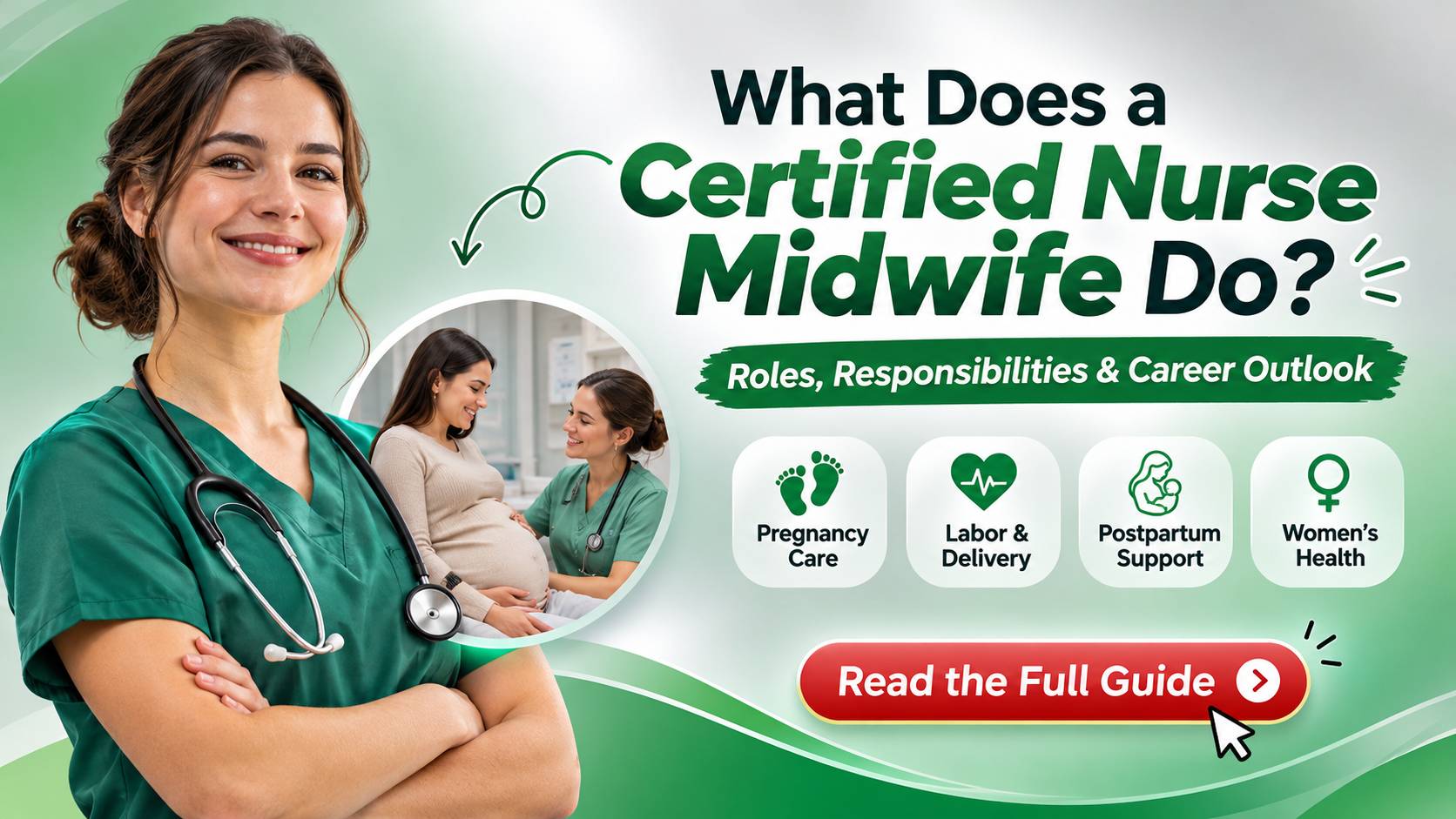
A certified nurse midwife (CNM) does much more than deliver babies. These advanced practice registered nurses provide care throughout pregnancy, childbirth, and different stages of a woman’s reproductive life. Their work includes prenatal examinations, labor management, postpartum recovery, and preventive healthcare. In many healthcare settings, they’re also an important source of guidance for patients making decisions about their reproductive health.
The profession has gained an important place in modern healthcare as hospitals and clinics look for ways to improve access to maternity services. But working as a CNM isn’t simply about having an interest in pregnancy and childbirth. It involves advanced clinical training, difficult decisions, and the responsibility to recognize when a seemingly normal situation is becoming dangerous.
What Does a Certified Nurse Midwife Do in Daily Practice?
A typical day for a certified nurse midwife can look quite different depending on the workplace. In an outpatient clinic, the schedule may involve prenatal consultations, gynecological examinations, and family planning discussions. In a hospital, the same professional may spend hours monitoring labor, assisting with deliveries, and responding to changes in a patient’s condition.
Prenatal care takes up a significant part of the job. During appointments, CNMs review medical histories, check maternal health, monitor fetal development, and order appropriate laboratory tests. They also discuss nutrition, physical activity, medication safety, and the changes patients can expect as pregnancy progresses. These visits aren’t just routine checkups; they’re opportunities to identify warning signs before they develop into more serious problems.
When a patient goes into labor, the clinical responsibilities become more demanding. A nurse midwife monitors contractions, evaluates cervical changes, checks fetal heart rates, and assesses labor progression. They provide support with pain management and conduct vaginal deliveries when appropriate. Staying alert throughout this process matters because labor can change quickly, even when a pregnancy has appeared uncomplicated.
Consider a patient who develops severe hypertension during labor. What initially looks like a routine delivery may require urgent assessment for preeclampsia and immediate coordination with an obstetrician. Recognizing that change, rather than simply continuing with the original birth plan, is an essential part of competent midwifery practice.
Care continues after delivery. CNMs monitor uterine involution, assess bleeding, check perineal healing, and help mothers establish breastfeeding. They also watch for postpartum complications, including infection and symptoms of postpartum depression. Early recognition can make a substantial difference to maternal recovery.
Their responsibilities aren’t limited to pregnancy. Depending on state regulations and clinical privileges, certified nurse midwives may provide annual examinations, contraception counseling, cervical cancer screening, sexually transmitted infection testing, and menopause care.
This wider scope of practice is one reason the profession appeals to registered nurses seeking a more advanced clinical role. It also means that CNMs need a broad understanding of women’s health rather than expertise in childbirth alone.
Compensation is another consideration when evaluating this career. The certified nurse midwife salary by state offers a useful starting point for comparing earning potential across different parts of the United States.
Certified Nurse Midwife Responsibilities, Clinical Skills, and Work Settings
Good clinical judgment is at the center of a nurse midwife’s responsibilities. Monitoring a patient’s condition is important, but knowing what the findings mean and deciding what to do next are equally critical. CNMs collect medical histories, conduct physical examinations, interpret diagnostic results, and develop care plans based on individual patient needs.
The pressure can be particularly high when complications arise. Severe preeclampsia, fetal distress, and significant maternal medical conditions may require rapid intervention and specialist involvement. A CNM must recognize the limits of midwifery practice, communicate clearly with the medical team, and arrange consultation or transfer when a patient’s condition requires a higher level of care.
Patient communication is another substantial part of the role. Some patients arrive with detailed birth preferences, while others feel anxious or uncertain about medical procedures. CNMs explain available options, discuss potential risks, and help patients make informed decisions. The goal is to provide evidence-based care without overlooking individual preferences and informed consent.
There’s also considerable work behind the scenes. Electronic health records, delivery documentation, referral coordination, and communication between departments all require attention. Accurate records help maintain continuity of care, especially when patients are treated by several professionals across different shifts.
Where a CNM works has a direct influence on the nature of the job. Hospital-based midwives generally spend more time managing labor and delivery, conducting inpatient assessments, and coordinating maternity services. Those in private practices or outpatient clinics tend to have more scheduled appointments involving prenatal care, reproductive health, and postpartum consultations.
Other opportunities exist in birth centers, community health organizations, and academic institutions. Experienced professionals may move into clinical education, research, healthcare administration, or maternal health programs.
The workload, however, shouldn’t be underestimated. Overnight shifts, unpredictable deliveries, emotionally difficult outcomes, and emergency situations can make this a demanding profession. A nurse midwife may need to remain focused for long periods while balancing several patients’ needs. That responsibility requires emotional resilience as well as technical skill.
Preparing for these demands starts with the right education. Accredited certified nurse midwife training provides the clinical and academic foundation needed for advanced practice.
Certified Nurse Midwife Qualifications, Career Opportunities, and Job Outlook
Becoming a certified nurse midwife takes a substantial educational commitment. The usual pathway begins with registered nurse (RN) licensure, followed by graduate-level education in nurse-midwifery through an appropriately accredited program.
Graduate coursework covers subjects such as advanced pharmacology, pathophysiology, obstetrics, reproductive healthcare, and newborn assessment. Students also complete supervised clinical placements, where they develop practical experience in prenatal consultations, labor management, childbirth, and postpartum care.
After completing the required education, eligible candidates must meet the certification requirements of the American Midwifery Certification Board (AMCB), including passing its certification examination.
One point worth understanding before applying to a program is the difference between a certified midwife and a certified nurse midwife. Although both credentials involve professional midwifery practice, their educational backgrounds and eligibility requirements aren’t identical. Reviewing the differences between a certified midwife and a certified nurse midwife can help avoid confusion when choosing a career pathway.
Selecting a graduate program also deserves careful consideration. Tuition, clinical placement opportunities, accreditation, and program structure can all affect the educational experience. Prospective students can compare available nurse midwife programs before deciding where to apply.
For registered nurses who are still evaluating the steps involved, this guide on how to become a certified nurse midwife provides further information about the professional pathway.
Once qualified, CNMs can pursue positions in hospitals, birth centers, private practices, outpatient clinics, and community healthcare organizations. Some eventually move into supervisory roles, teach future midwives, or participate in research and maternal health policy development.
Employment prospects depend on several factors, including geographic location, healthcare workforce needs, state practice regulations, and employer requirements. Professional autonomy also varies. Some states allow broader independent practice, while others impose additional collaboration or practice requirements.
For nurses considering this career, the attraction is clear: the opportunity to build lasting patient relationships while providing specialized healthcare. Still, the decision shouldn’t be based on career prospects alone. The educational investment, demanding schedules, and responsibility for maternal and newborn safety deserve equal consideration.
FAQ: What Does a Certified Nurse Midwife Do?
1. Can a certified nurse midwife deliver babies without an obstetrician?
Yes. Certified nurse midwives are qualified to manage labor and perform vaginal deliveries within their authorized scope of practice. In many states, they can provide these services independently, although specific requirements differ by jurisdiction and healthcare facility. If complications such as severe preeclampsia, significant fetal distress, or other serious maternal conditions develop, they must arrange appropriate consultation, collaboration, or transfer to an obstetrician.
2. Can a certified nurse midwife perform C-sections or prescribe medication?
Certified nurse midwives generally cannot independently perform cesarean sections because this surgical procedure falls outside their standard scope of practice. An appropriately qualified obstetric surgeon operates. CNMs can, however, prescribe medications when authorized under applicable state laws. This may include certain contraceptives and pregnancy-related treatments. Their prescribing authority and clinical privileges depend on state regulations, professional qualifications, and institutional credentialing.
3. Is becoming a certified nurse midwife a good career choice in 2026?
Certified nurse midwifery can be a rewarding career in 2026 for registered nurses interested in advanced clinical practice, maternal healthcare, and reproductive health. Opportunities exist in hospitals, birth centers, outpatient practices, and community health organizations. However, prospective candidates should consider graduate education costs, certification requirements, state practice regulations, compensation, and demanding work schedules. Long-term success also requires sound clinical judgment and a commitment to continuing professional education.
A certified nurse midwife’s work extends well beyond the delivery room. From monitoring pregnancy and managing labor to supporting postpartum recovery and providing preventive reproductive healthcare, these professionals play an important role in women’s health.
It’s a career with meaningful opportunities, but also considerable responsibility. Advanced education, sound clinical judgment, and the ability to respond when complications arise are essential. For registered nurses who want to develop specialized expertise and make a direct contribution to maternal healthcare, becoming a certified nurse midwife can be a worthwhile long-term career decision.