 Info Hot Job Find your dream job! Get for jobs, post your resume, compare salaries and find career advice and research.
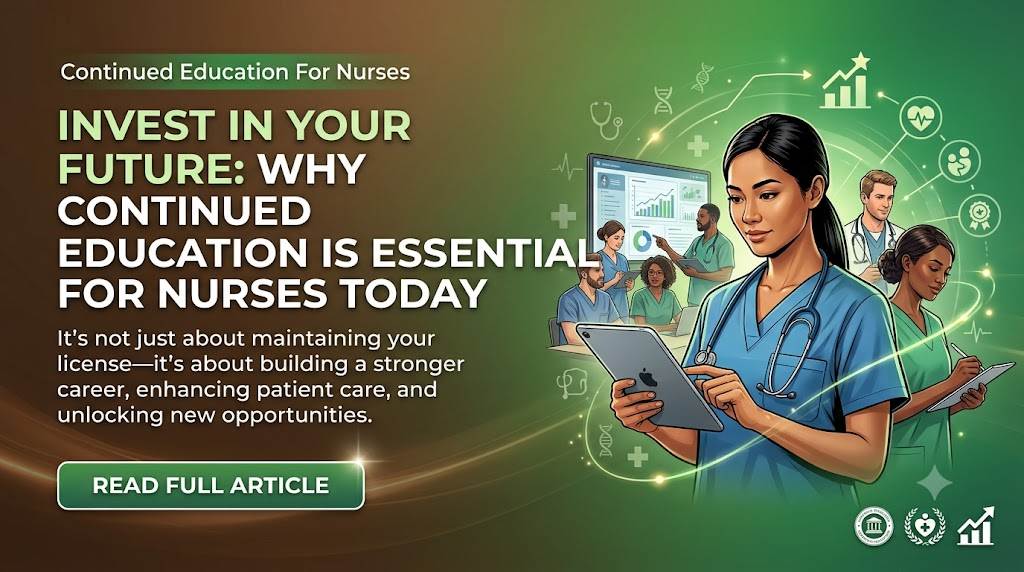
Healthcare changes every day, and nurses are expected to change with it. New treatment guidelines, evolving technology, patient safety initiatives, and stricter quality standards have transformed continuing education from a recommendation into a professional necessity. Nurses who keep learning aren’t simply maintaining their licenses – they’re building stronger careers.
That’s why Continued Education For Nurses has become one of the most valuable long-term investments in today’s healthcare industry. Employers increasingly seek professionals who demonstrate commitment to lifelong learning because those individuals often adapt faster, provide higher-quality patient care, and contribute more effectively to multidisciplinary healthcare teams.
Whether you’re beginning your nursing career or planning your next promotion, continuing education creates opportunities that extend well beyond the classroom.
Why Continued Education For Nurses Matters in Today’s Job Market
The nursing profession remains one of the fastest-growing career fields, yet competition for specialized positions continues to increase. Hospitals, outpatient clinics, surgical centers, rehabilitation facilities, and specialty practices often evaluate more than years of experience when hiring candidates. They also consider evidence of ongoing professional development.
Continued Education For Nurses demonstrates initiative, accountability, and a willingness to remain current with modern healthcare practices. Hiring managers recognize that nurses who regularly update their knowledge often transition more smoothly into leadership positions, specialty departments, and educator roles.
Professional development also strengthens clinical confidence. Nurses exposed to current evidence-based practices are generally better prepared to respond to changing patient conditions, new treatment protocols, and advances in healthcare technology.
Those considering highly specialized careers may find valuable insight by exploring Nurse Anesthetist Education Requirements, where advanced education plays a central role in long-term career success.
Continued Education For Nurses Supports Professional Growth
Learning doesn’t stop after earning an RN license. Successful nursing professionals understand that healthcare continues evolving throughout their careers.
Continuing education introduces updated clinical guidelines, advanced patient care strategies, leadership principles, communication techniques, and specialty knowledge that directly improve day-to-day performance. Nurses who consistently pursue education often become stronger candidates for supervisory positions, specialty certifications, and interdisciplinary leadership opportunities.
Professional growth also creates greater career flexibility. Nurses with expanded knowledge can transition into behavioral health, critical care, education, case management, informatics, quality improvement, or advanced practice roles more confidently than those who limit ongoing learning.
Mental health professionals looking to expand their expertise may also benefit from understanding Psychiatric Nurse Education Requirements and the specialized educational pathway that supports behavioral healthcare careers.
Choosing the Best Continued Education Opportunities
The best education programs do more than satisfy licensing requirements. They help nurses develop practical skills that immediately improve patient care while strengthening long-term employability.
Accredited seminars, online courses, workshops, university programs, specialty certifications, and professional conferences all provide valuable learning opportunities when selected carefully. Choosing education that aligns with personal career goals often produces the greatest return on investment.
For example, nurses pursuing leadership positions may benefit from healthcare management education, while critical care professionals might prioritize advanced cardiovascular or emergency nursing content. Tailoring education to career objectives helps maximize both knowledge and employment opportunities.
Nurses seeking structured professional development can strengthen their expertise by participating in Nursing Continuing Education Seminars that combine current clinical knowledge with practical workplace applications.
Maintaining licensure while improving professional qualifications also becomes much easier through Continuing Education Credits For Nurses, allowing nurses to meet regulatory requirements while advancing their careers.
Building Long-Term Career Success Through Lifelong Learning
Healthcare employers consistently reward professionals who embrace continuous improvement. Continued Education For Nurses reflects more than academic achievement – it demonstrates adaptability, professionalism, and dedication to providing high-quality patient care.
Many experienced nurses eventually transition into educator positions, clinical leadership, quality improvement, or staff development roles after years of building both clinical expertise and educational credentials.
Healthcare professionals interested in teaching future generations of nurses may find inspiration by exploring the Department of Veterans Affairs Nurse Educator opportunity, which highlights how education and leadership often go hand in hand.
Outside formal coursework, many nurses continue strengthening their professional knowledge through trusted references such as this professional nursing education resource, supporting continuous learning throughout every stage of a nursing career.
The healthcare industry will continue evolving, but nurses who invest consistently in education remain prepared for new challenges, expanded responsibilities, and greater career opportunities.
FAQ Nursing Professional Development
1. Why is Continued Education For Nurses becoming more important than ever?
Healthcare continues changing rapidly through new clinical research, technology, patient safety initiatives, and regulatory standards. Continued education helps nurses remain current while improving clinical judgment, communication skills, and evidence-based decision-making. Employers increasingly value professionals who actively pursue learning because ongoing education demonstrates adaptability, commitment to excellence, and readiness for expanded responsibilities within modern healthcare environments.
2. Can Continued Education For Nurses improve salary and promotion opportunities?
In many cases, yes. Continuing education strengthens professional qualifications, supports specialty certification, and prepares nurses for leadership, educator, and advanced practice positions. While compensation depends on many factors, employers often favor candidates who consistently demonstrate professional development. Additional education may also improve competitiveness when applying for specialized clinical roles or supervisory positions within hospitals and healthcare organizations.
3. What types of Continued Education For Nurses provide the greatest career value?
The most valuable educational opportunities are those aligned with individual career goals and recognized by accredited organizations. Specialty certifications, evidence-based clinical seminars, leadership development programs, online continuing education, university coursework, and professional conferences all contribute to stronger clinical performance. Selecting education relevant to your practice area creates lasting benefits for both patient care and long-term career advancement.
Apply Continued Education For Nurses Jobs
Continued Education For Nurses has become one of the strongest predictors of long-term professional success. Continuous learning helps nurses maintain clinical excellence, remain competitive in an evolving healthcare industry, and prepare for leadership or specialty opportunities. Those who consistently invest in education position themselves for greater career flexibility, stronger professional credibility, and lasting success throughout every stage of their nursing journey.


