 Info Hot Job Find your dream job! Get for jobs, post your resume, compare salaries and find career advice and research.
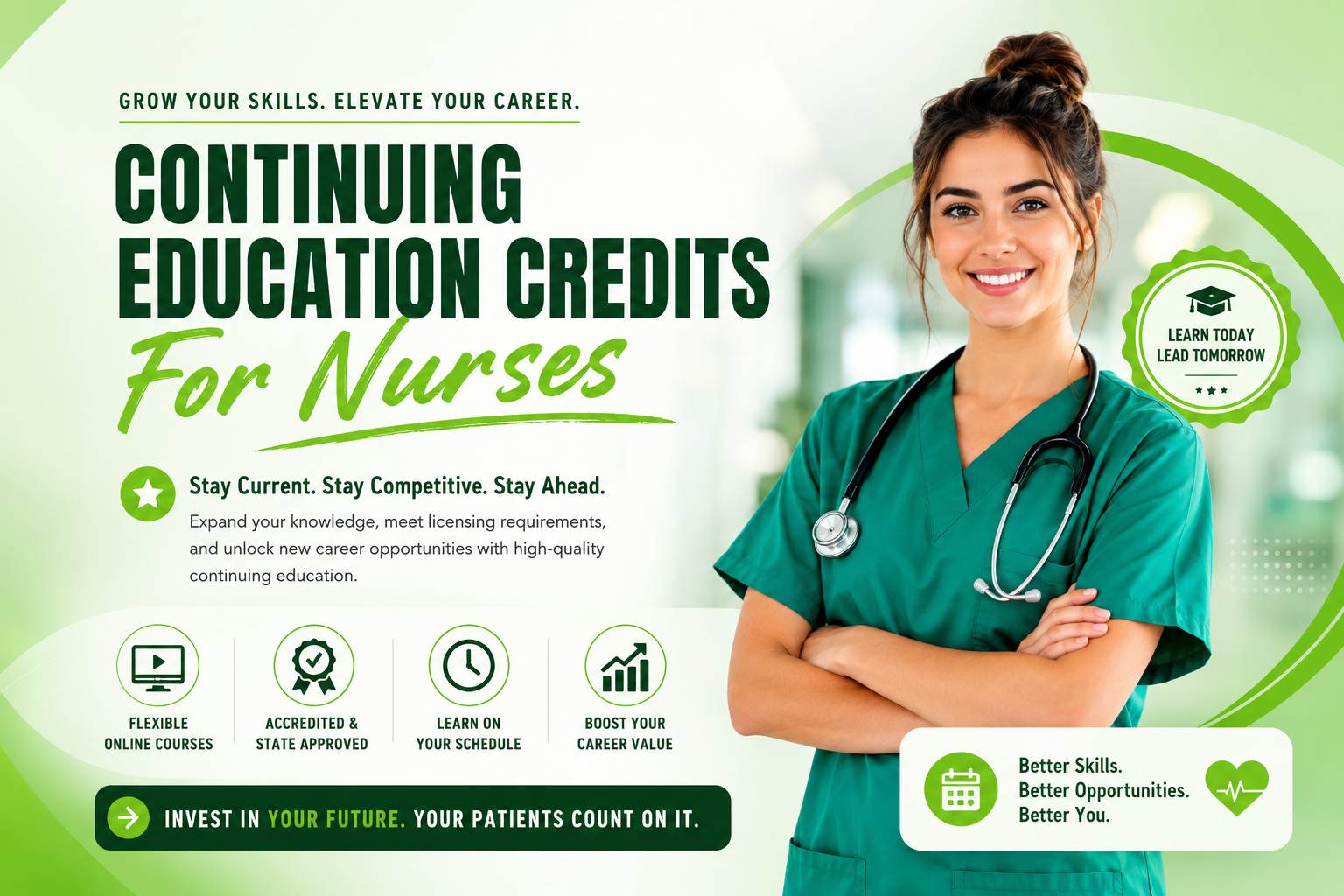
Healthcare never stands still, and neither should nursing professionals. Clinical guidelines evolve, technology changes patient care, and employers continue raising expectations for professional competency. That’s why Continuing Education Credits For Nurses have become more than just a licensing requirement—they’re a practical investment in long-term career growth.
Whether you’re aiming for a promotion, preparing for a specialty certification, or simply keeping your nursing license active, continuing education creates opportunities that extend far beyond the classroom. Employers increasingly value nurses who stay current with evidence-based practice because better-trained professionals often deliver safer, higher-quality care while adapting more quickly to workplace changes.
Why Continuing Education Credits For Nurses Matter in Today’s Job Market
The demand for experienced nurses remains strong, but competition for the best positions has also increased. Hospitals, outpatient centers, rehabilitation facilities, and specialty clinics often prioritize candidates who consistently maintain their professional education.
Continuing Education Credits For Nurses demonstrate more than compliance with state regulations. They signal commitment, accountability, and a willingness to improve clinical performance. Hiring managers frequently view ongoing education as evidence that a candidate is prepared to embrace new protocols, electronic health record systems, infection prevention strategies, and patient safety initiatives.
For nurses seeking leadership positions, continuing education can also strengthen a resume when applying for charge nurse, clinical educator, nurse manager, or quality improvement roles. Employers recognize that continuous learning helps build stronger decision-making skills and enhances professional confidence.
If you’re interested in education-focused nursing careers, explore this opportunity for a Nurse Educator at the Department of Veterans Affairs in Iowa City.
Best Ways to Earn Continuing Education Credits For Nurses
Finding quality continuing education has never been easier. Accredited organizations now provide flexible learning options that fit almost any work schedule. Online courses, live webinars, professional conferences, simulation workshops, and academic programs all contribute to continuing education requirements depending on state regulations and accreditation standards.
Online learning has become particularly popular because nurses can complete coursework between shifts without traveling. Many programs allow self-paced study, making it easier to balance demanding clinical schedules with professional development.
Choosing courses strategically can provide benefits beyond earning required credits. Selecting subjects related to critical care, emergency nursing, maternal health, mental health, leadership, or informatics helps expand clinical expertise while making a resume more competitive.
Nurses pursuing educator roles may also find valuable opportunities such as the Nurse Educator position at Osceola Regional Medical Center, where advanced professional development is highly valued.
Continuing Education Credits For Nurses Can Increase Career Opportunities
Professional development often opens doors that experience alone cannot. Healthcare organizations increasingly seek nurses who demonstrate continuous improvement rather than simply meeting minimum employment qualifications.
Continuing Education Credits For Nurses may support career transitions into specialty practice, education, administration, case management, infection prevention, or clinical leadership. Many certification boards also require continuing education before candidates become eligible for specialty examinations.
The financial impact can be meaningful as well. Nurses who develop specialized expertise frequently qualify for higher-paying positions, leadership responsibilities, or differential pay associated with advanced certifications. While education requires time and effort, the long-term return often outweighs the initial investment.
Healthcare employers also benefit from well-educated nursing teams. Better clinical knowledge contributes to improved patient outcomes, stronger interdisciplinary communication, and greater compliance with evolving regulatory standards.
Professionals considering hospital educator careers may want to review this opening for a Nurse Educator at Baystate Health in Springfield, Massachusetts.
Choosing High-Quality Continuing Education Programs
Not every educational program offers the same value. Before enrolling, nurses should confirm that the provider is recognized by the appropriate accrediting organization accepted within their licensing jurisdiction. Credits that fail to meet state board requirements may not count toward license renewal.
Course relevance also matters. Rather than selecting the easiest available option, nurses should focus on subjects aligned with current practice or future career goals. A pediatric nurse benefits most from pediatric-focused education, while an ICU nurse gains more value from advanced critical care content.
Professional organizations, universities, major healthcare systems, and accredited nursing education providers generally offer reliable continuing education opportunities. These programs typically incorporate current clinical research, evidence-based practice, and updated regulatory guidance.
Nurses interested in clinical education pathways may also benefit from reviewing this Registered Nurse Clinical Educator opportunity at Epic Health Services in Dallas.
Many professionals also rely on trusted study materials to reinforce new concepts between formal courses. One useful resource is available here: Professional Nursing Education Resource.
FAQ Nurse Continuing Education Requirements
1. How many Continuing Education Credits For Nurses are usually required for license renewal?
The number of required continuing education credits varies by state, nursing board, and license type. Some jurisdictions require only a handful of hours every renewal cycle, while others mandate extensive coursework that includes mandatory topics such as ethics, pain management, infection control, or human trafficking awareness. Nurses should always verify requirements with their individual state board because failing to complete approved credits before renewal deadlines may result in delays, penalties, or temporary license restrictions.
2. Can online Continuing Education Credits For Nurses satisfy licensing requirements?
Yes, many state boards fully accept online continuing education courses as long as they are provided by approved or accredited organizations. Online learning has become one of the most popular options because it offers flexibility for nurses working rotating shifts or overtime schedules. Before registering, verify that the course provider is recognized by the accrediting body accepted by your state’s nursing board. Keeping completion certificates is also important because some boards perform random audits during the license renewal process.
3. Do Continuing Education Credits For Nurses improve job prospects even when they’re not required by employers?
Absolutely. Continuing education demonstrates initiative, professional responsibility, and commitment to lifelong learning. Hiring managers often compare applicants with similar clinical experience, and additional education can help distinguish one candidate from another. Specialized coursework may also support eligibility for certifications, leadership positions, educator roles, and advanced clinical responsibilities. Even when employers don’t explicitly require additional credits, candidates who consistently invest in professional development frequently present stronger resumes and greater long-term career potential.
Apply Continuing Education Credits For Nurses
Continuing Education Credits For Nurses represent far more than an annual obligation. They strengthen clinical knowledge, improve adaptability, and position nurses for greater career opportunities in an increasingly competitive healthcare environment. As medicine continues evolving, employers consistently seek professionals who embrace learning instead of resisting change. Investing in continuing education today helps build stronger clinical skills, broader career options, and lasting professional credibility for years to come.


