 Info Hot Job Find your dream job! Get for jobs, post your resume, compare salaries and find career advice and research.
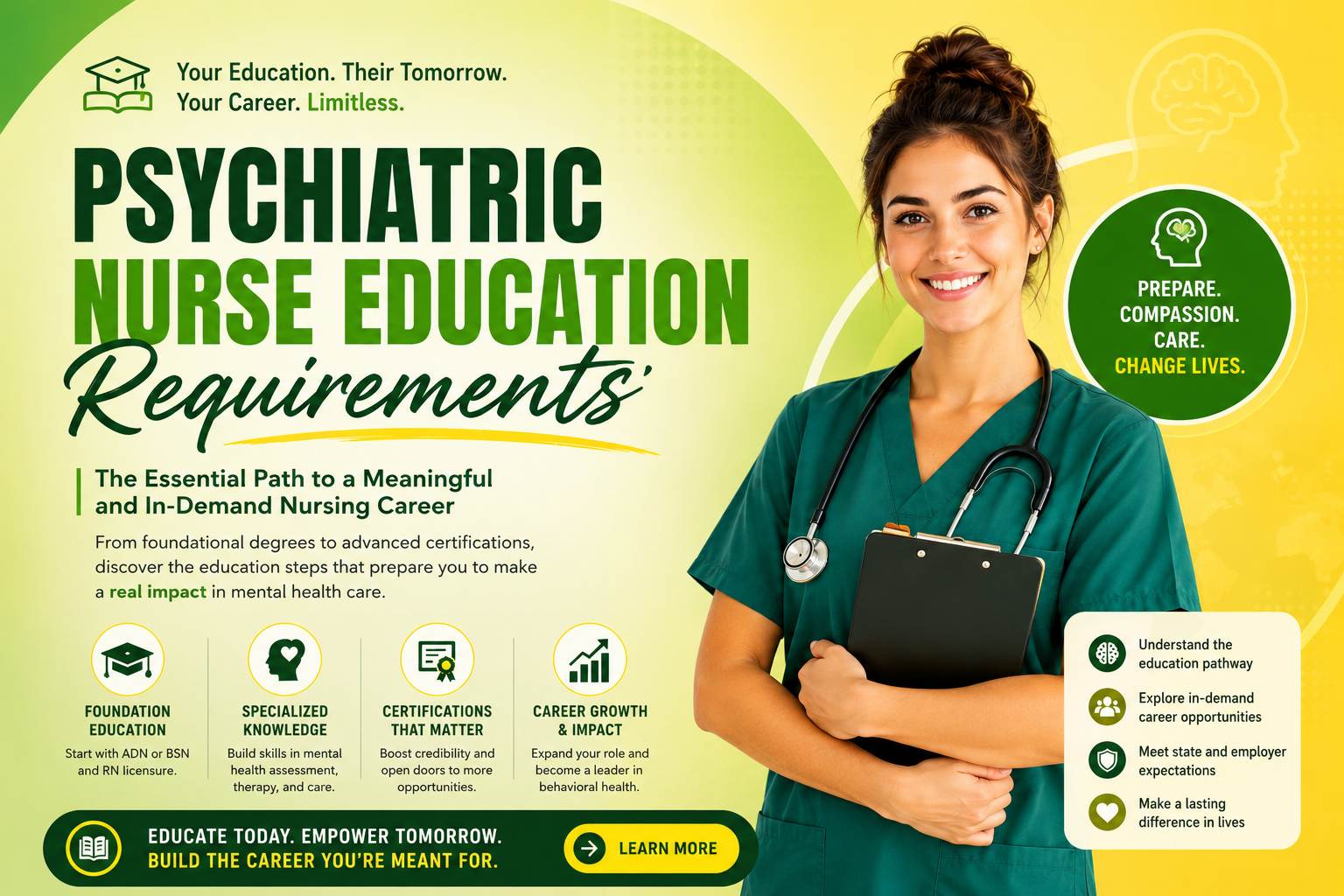
Mental health has become one of the fastest-growing areas in healthcare, creating strong demand for skilled professionals who can provide compassionate, evidence-based care. Hospitals, behavioral health centers, community clinics, and private practices continue expanding psychiatric services as awareness of mental health challenges grows across every age group.
That demand has placed greater attention on Psychiatric Nurse Education Requirements. Employers are looking beyond basic nursing qualifications and seeking professionals with specialized education, clinical judgment, and strong communication skills. Nurses who prepare themselves through the right educational pathway often enjoy broader career opportunities, greater job stability, and access to highly specialized roles within modern healthcare systems.
Understanding Psychiatric Nurse Education Requirements for Career Growth
Every psychiatric nurse begins with a solid nursing foundation. Most professionals first earn either an Associate Degree in Nursing (ADN) or a Bachelor of Science in Nursing (BSN), then obtain licensure as a Registered Nurse (RN). While both educational paths can lead to psychiatric nursing, many employers increasingly favor BSN-prepared candidates because of the expanded training in leadership, research, and evidence-based practice.
After becoming licensed, nurses often gain clinical experience before moving into behavioral health positions. Working in psychiatric units, emergency departments, crisis intervention programs, or community mental health facilities helps build the practical skills needed for caring for patients experiencing anxiety disorders, depression, schizophrenia, substance use disorders, and other behavioral health conditions.
As healthcare organizations continue emphasizing integrated mental health services, specialized education has become a competitive advantage rather than simply an added credential.
Professionals who truly want to grow and stay confident in their practice can take a meaningful step forward by exploring Nursing Continuing Education Seminars—a supportive way to deepen knowledge, refresh clinical skills, and stay connected with the latest developments in mental health care.
Advanced Psychiatric Nursing Education and Professional Development
Meeting Psychiatric Nurse Education Requirements doesn’t stop after earning an RN license. Continuing education plays an essential role throughout a psychiatric nurse’s career.
Mental health treatment evolves rapidly as new research, medications, therapeutic approaches, and patient care models emerge. Ongoing education allows nurses to remain confident when working with increasingly complex patient populations.
Many psychiatric nurses pursue certifications in psychiatric-mental health nursing after gaining sufficient clinical experience. Certification demonstrates advanced knowledge and often increases competitiveness during hiring and promotion decisions. Employers frequently recognize certified nurses as valuable assets because they bring specialized expertise to multidisciplinary healthcare teams.
To continue building confidence and long-term career strength, nurses can benefit from engaging with Continuing Education Credits For Nurses—a practical and reassuring way to stay compliant with licensing requirements while continuously improving patient care skills.
Psychiatric Nurse Career Opportunities Continue Expanding
Behavioral health workforce shortages continue creating favorable employment conditions for psychiatric nurses. Healthcare systems increasingly recruit professionals who possess both strong clinical skills and specialized mental health education.
Psychiatric nurses work across a wide range of settings, including inpatient psychiatric hospitals, outpatient behavioral health clinics, addiction treatment centers, correctional healthcare, schools, military facilities, and telehealth programs. Some eventually pursue graduate education to become Psychiatric-Mental Health Nurse Practitioners (PMHNPs), significantly expanding their scope of practice.
Leadership opportunities also continue growing. Experienced psychiatric nurses frequently transition into education, quality improvement, case management, behavioral health administration, or clinical leadership positions where specialized knowledge becomes even more valuable.
For nurses who feel called to guide and inspire others, exploring the Department of Veterans Affairs Nurse Educator opportunity can be a meaningful step toward a fulfilling leadership role in a respected healthcare system.
Those who are considering a supportive hospital-based teaching environment may find the Nurse Educator position at Osceola Regional Medical Center to be a welcoming opportunity to grow professionally while making a real difference.
Healthcare professionals aiming to expand their impact in academic settings can also take a closer look at the Baystate Health Nurse Educator opening—a chance to contribute to education while advancing their own career journey.
For those passionate about hands-on clinical teaching, the Registered Nurse Clinical Educator position at Epic Health Services offers a rewarding path to support both patients and fellow healthcare professionals.
Building Long-Term Success as a Psychiatric Nurse
Education creates the foundation, but long-term success depends on continuous growth. Psychiatric nurses benefit from developing strong interpersonal communication, emotional intelligence, crisis intervention skills, and cultural competence alongside their clinical knowledge.
Employers increasingly value professionals who demonstrate resilience, adaptability, and lifelong learning. Participating in workshops, specialty conferences, certification review courses, and evidence-based training programs helps psychiatric nurses remain competitive throughout their careers.
Many professionals also strengthen their clinical understanding through trusted educational resources outside formal coursework. One valuable option is this professional nursing education resource, a helpful companion that supports ongoing learning while nurturing confidence and professional growth.
As behavioral healthcare continues expanding, nurses who invest consistently in specialized education position themselves for broader opportunities, stronger professional credibility, and long-term career security.
FAQ Psychiatric Mental Health Nursing Education
1. What are the minimum Psychiatric Nurse Education Requirements to begin working in behavioral health?
Most psychiatric nurses begin by earning either an Associate Degree in Nursing or a Bachelor of Science in Nursing before obtaining Registered Nurse licensure. While some employers hire ADN-prepared nurses, many hospitals increasingly prefer BSN graduates because of their broader educational background. Clinical experience in behavioral health settings further strengthens employment opportunities and prepares nurses for specialty certification or advanced practice roles.
2. Does continuing education improve career opportunities for psychiatric nurses?
Yes. Continuing education helps psychiatric nurses remain current with evolving treatment approaches, medication management, patient safety standards, and evidence-based behavioral healthcare practices. Employers often value candidates who actively pursue professional development because it reflects commitment to delivering high-quality patient care. Ongoing education may also support promotions, specialty certifications, leadership positions, and increased earning potential throughout a nursing career.
3. Can psychiatric nurses advance into higher-paying leadership or advanced practice positions?
Absolutely. Many psychiatric nurses continue their education by earning graduate degrees that qualify them to become Psychiatric-Mental Health Nurse Practitioners, educators, administrators, or clinical leaders. Advanced education expands clinical responsibilities while increasing career flexibility. As mental health services continue growing nationwide, experienced psychiatric nursing professionals with specialized education remain in strong demand across hospitals, outpatient clinics, community health programs, and telehealth organizations.
Apply Psychiatric Nurse Education Requirements
Psychiatric Nurse Education Requirements provide far more than the credentials needed to enter behavioral healthcare. They establish the knowledge, clinical competence, and professional credibility necessary to succeed in one of nursing’s fastest-growing specialties. Nurses who continue building their expertise through education, certification, and lifelong learning place themselves in a stronger position for career advancement, leadership opportunities, and lasting success within modern mental health care.


