Info Hot Job Find your dream job! Get for jobs, post your resume, compare salaries and find career advice and research.
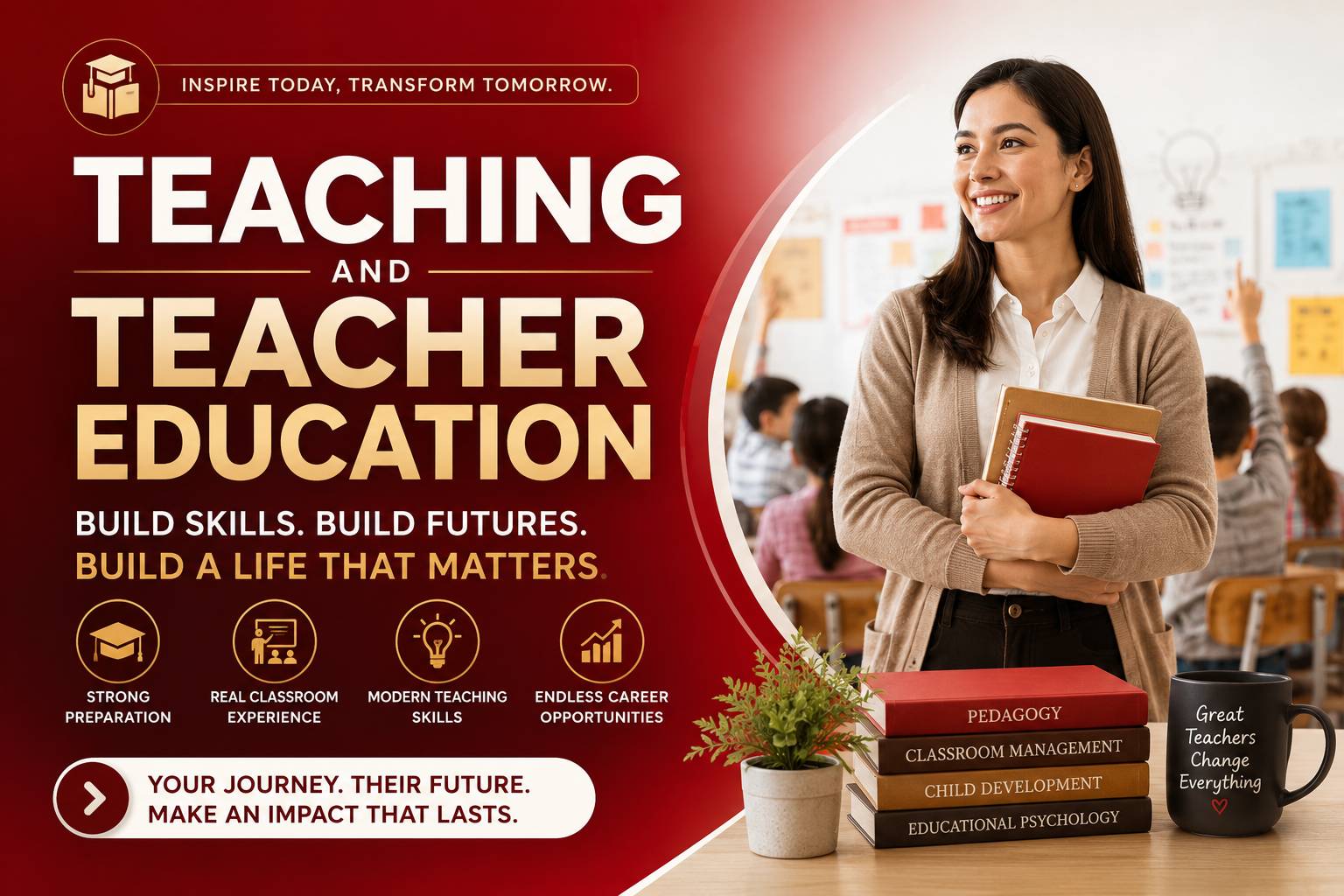
Great teaching rarely happens by accident. Behind every confident educator is a foundation built through meaningful training, classroom experience, and continuous professional growth. That’s why Teaching And Teacher Education remains one of the most important topics for anyone considering a career in education.
Schools today expect more than subject knowledge alone. Teachers are responsible for helping students think critically, solve problems, collaborate with others, and adapt to an increasingly digital world. Meeting those expectations requires preparation that blends academic theory with practical experience.
As education continues to evolve, teacher preparation programs have become more comprehensive than ever. Future educators must understand child development, instructional strategies, educational technology, and classroom management while learning how to support students from diverse backgrounds. Those who invest in quality preparation often discover that strong credentials lead to stronger career opportunities.
Teaching And Teacher Education Programs Build Professional Confidence
The purpose of Teaching And Teacher Education extends well beyond earning a degree. Effective teacher preparation develops the skills educators need before they ever lead a classroom independently.
Most teacher education programs combine university coursework with supervised field experiences. Students learn instructional planning, curriculum development, educational psychology, assessment methods, and communication techniques. They also spend significant time observing experienced teachers before completing student teaching placements.
This combination of theory and real-world application helps future educators develop confidence while reducing the challenges commonly faced during the first years of teaching. Instead of relying on trial and error, graduates enter the workforce with practical classroom experience that employers value.
Licensure requirements reinforce these professional standards. Most public schools require teachers to complete approved preparation programs and pass state certification exams before becoming fully licensed. These expectations help ensure consistent educational quality across schools.
If you’re still exploring the academic pathway into education, learning more about what education is needed to become a teacher provides a helpful starting point before selecting a teacher preparation program.
Career Opportunities Created Through Teacher Education
Strong preparation creates opportunities far beyond the traditional classroom. While many graduates become elementary, middle school, or high school teachers, others pursue specialized educational careers based on their interests and qualifications.
Special education continues to experience significant demand throughout the United States. Teachers with specialized certifications often qualify for positions that offer competitive salaries while making a meaningful difference for students requiring individualized support.
Early childhood education represents another growing career path. As families increasingly recognize the importance of early learning, qualified kindergarten and preschool teachers remain valuable across both public and private educational settings.
Higher education also provides rewarding opportunities for experienced educators. Colleges, universities, and language centers frequently hire instructors who combine advanced academic qualifications with classroom expertise.
Those considering long-term financial growth may find it helpful to explore special education teacher salary insights, particularly when comparing specialized teaching careers.
Many future educators also begin by supporting experienced teachers before leading their own classrooms. Positions like teacher assistant roles in the Park Hill School District provide valuable hands-on experience while building professional confidence.
Modern Teaching Skills Employers Want
Today’s schools expect teachers to bring much more than academic credentials. Successful candidates demonstrate flexibility, leadership, communication, and technological competence alongside formal education.
Digital learning platforms have become a standard part of classroom instruction. Teachers regularly integrate interactive presentations, online assessments, learning management systems, and educational software into daily lessons. Candidates comfortable with technology often gain an advantage during hiring.
Communication remains equally important. Teachers interact with students, parents, administrators, counselors, and community members every day. Clear communication helps build trust while supporting positive learning environments.
Adaptability has become another defining characteristic of successful educators. Educational standards evolve, student needs change, and classroom demographics continue shifting. Teachers who embrace professional development remain competitive throughout their careers.
Continuous learning also strengthens long-term career prospects. Workshops, certifications, graduate degrees, and specialized endorsements help teachers expand their expertise while qualifying for leadership positions within schools.
Aspiring educators interested in younger learners may enjoy exploring kindergarten teaching careers at Primrose School, where foundational teaching practices play a central role in child development.
Educators who later pursue college-level instruction may also consider opportunities like adjunct teaching at the University of Denver English Language Center, demonstrating how teacher education can support career advancement across multiple educational settings.
FAQ Teacher Preparation Programs
1. Is Teaching And Teacher Education only for people who want to work in public schools?
Not at all. While teacher education programs are commonly associated with public school licensure, the knowledge and practical experience gained can also prepare graduates for careers in private schools, charter schools, tutoring organizations, educational consulting, curriculum development, corporate training, and international education. Many employers value formal teacher preparation because it demonstrates strong instructional skills, communication abilities, and professional classroom experience.
2. Can someone become a teacher through an alternative certification program?
Yes. Many states offer alternative certification pathways designed for professionals who already hold bachelor’s degrees in other fields. These programs typically combine educational coursework with supervised teaching experiences, allowing candidates to transition into education without completing another undergraduate degree. Requirements differ by state, but alternative certification has become an increasingly popular solution for addressing teacher shortages while maintaining professional standards.
3. Why does ongoing professional development matter after becoming a teacher?
Education changes continuously as new research, technology, and instructional methods emerge. Professional development helps teachers improve classroom practices, strengthen student engagement, and stay current with curriculum standards. It also supports career advancement by preparing educators for leadership positions, specialized certifications, and graduate-level opportunities that often lead to increased responsibilities and higher earning potential.
Teaching And Teacher Education forms the backbone of every successful teaching career. Comprehensive preparation gives educators the confidence to manage classrooms, inspire students, and respond to the changing demands of modern education. While earning a degree is an important milestone, long-term success depends on continuous learning, practical experience, and professional growth. For aspiring teachers, investing in high-quality teacher education is one of the smartest decisions they can make—both for their careers and for the students whose lives they’ll help shape.