Info Hot Job Find your dream job! Get for jobs, post your resume, compare salaries and find career advice and research.
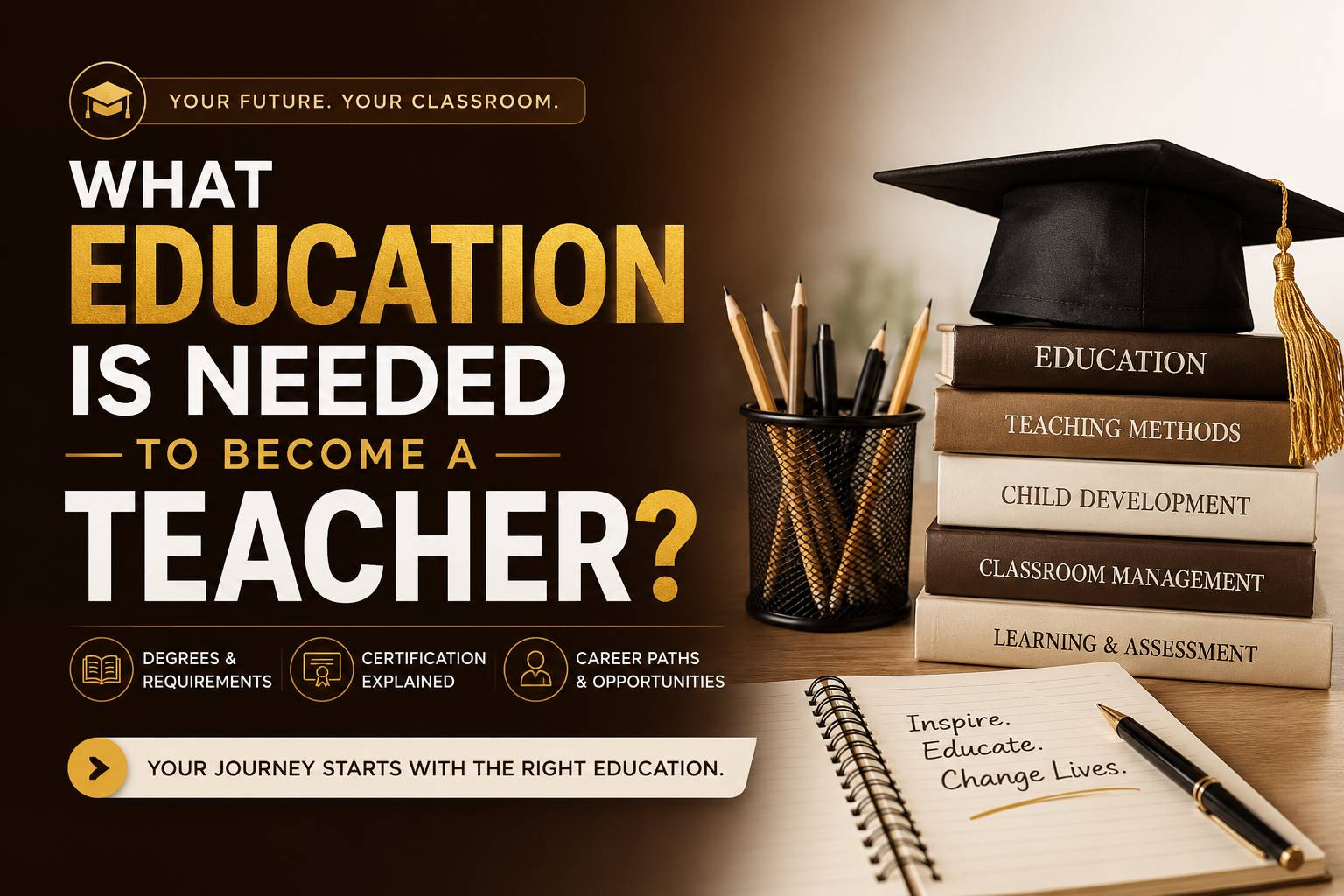
A great teacher can change the direction of someone’s life. That simple truth keeps attracting thousands of people to the profession every year. Yet before stepping into a classroom, every aspiring educator faces the same important question: What Education Is Needed To Become A Teacher?
The answer isn’t as simple as earning a diploma. Schools expect educators to possess academic knowledge, classroom management skills, professional ethics, and the ability to adapt to changing educational standards. While requirements vary by state and school district, the educational journey follows a similar foundation across the United States.
Choosing the right degree and certification path early can save time, reduce unnecessary expenses, and open more job opportunities after graduation. Understanding these expectations also helps candidates prepare for a competitive hiring market where qualifications matter just as much as passion.
What Education Is Needed To Become A Teacher in the United States?
The most common answer to What Education Is Needed To Become A Teacher begins with earning a bachelor’s degree from an accredited college or university. For elementary education, students typically major in Elementary Education. Those planning to teach middle or high school usually complete a bachelor’s degree in a specific subject such as Mathematics, English, Biology, History, or Chemistry while also fulfilling teacher preparation requirements.
Teacher preparation programs combine academic coursework with educational theory. Future teachers study child development, instructional planning, educational psychology, assessment methods, classroom technology, and behavior management. These subjects provide the framework needed to teach students with different learning styles and abilities.
One of the most valuable parts of teacher education is student teaching. During this supervised experience, teacher candidates spend several weeks or months working inside real classrooms under the guidance of experienced educators. This practical training transforms theory into everyday teaching skills and gives employers confidence that graduates can manage a classroom effectively.
Many states also require candidates to pass licensing examinations before receiving a teaching certificate. These assessments measure subject knowledge, reading and writing skills, and professional teaching competencies. Without state certification, most public schools won’t consider applicants for full-time teaching positions.
Career planning often includes understanding salary expectations as qualifications improve. Professionals exploring long-term earning potential may also find it useful to read about how much special education teachers make, especially in high-demand education fields.
Degree Options That Strengthen Your Teaching Career
Although a bachelor’s degree is the minimum educational requirement in most cases, many teachers continue their education throughout their careers. A master’s degree isn’t always mandatory, but it often leads to better compensation, expanded responsibilities, and stronger job security.
Graduate programs allow educators to specialize in curriculum design, educational leadership, special education, literacy instruction, counseling, or instructional technology. These advanced qualifications help teachers remain competitive as schools increasingly seek professionals who can support diverse student populations.
Alternative certification programs also exist for professionals changing careers. Someone with a bachelor’s degree in engineering, business, science, or another discipline may complete an approved teacher certification program instead of earning a second undergraduate degree. These accelerated pathways help address teacher shortages while maintaining educational standards.
Private schools sometimes have more flexible hiring requirements than public schools. Some institutions hire subject experts without traditional teaching licenses, although classroom experience and educational training remain highly valued.
Candidates interested in beginning their careers as classroom support professionals can gain valuable experience through positions such as teacher assistant opportunities in the Park Hill School District, where daily exposure to instructional environments builds practical skills.
Skills Schools Expect Beyond Formal Education
Understanding What Education Is Needed To Become A Teacher extends beyond academic degrees. Modern classrooms demand a combination of technical expertise and interpersonal abilities that aren’t always measured by transcripts alone.
Effective teachers communicate clearly, solve problems quickly, and build positive relationships with students, parents, and colleagues. Emotional intelligence has become increasingly valuable as educators support students facing academic challenges, mental health concerns, and diverse cultural backgrounds.
Technology also plays a central role in today’s schools. Teachers regularly use learning management systems, interactive whiteboards, digital assessment tools, and online collaboration platforms. Candidates who demonstrate confidence with educational technology often stand out during the hiring process.
Adaptability remains another defining characteristic of successful educators. Curriculum standards evolve, instructional methods change, and classrooms become more diverse every year. Teachers who embrace continuous learning generally experience greater professional growth than those who rely solely on their original training.
Early childhood education offers another rewarding pathway for aspiring educators. Those interested in working with younger learners may benefit from reviewing opportunities like kindergarten teacher positions at Primrose School, where foundational teaching skills are developed from the very beginning of a child’s educational journey.
Many educators eventually expand into higher education or adult learning environments. Professionals considering this direction can explore careers such as adjunct English Language Center teaching positions at the University of Denver, which demonstrate how teaching careers can evolve beyond K–12 education.
Why Continuing Education Makes Teachers More Competitive
Education doesn’t stop once a teacher receives certification. Professional development continues throughout an educator’s career because teaching methods, educational research, and classroom technologies constantly evolve.
Many states require continuing education credits to renew teaching licenses. Schools also encourage teachers to attend workshops, complete online courses, earn specialized endorsements, and pursue graduate degrees.
Additional certifications can significantly expand employment opportunities. Reading specialists, bilingual educators, STEM instructors, special education professionals, and instructional coaches often enjoy higher demand across school districts nationwide.
Advanced degrees frequently translate into higher salaries as well. Many school districts operate salary schedules that reward additional education and years of experience. While compensation varies by location, teachers who invest in lifelong learning often experience stronger long-term career growth.
Educators interested in maximizing their qualifications should also consider how graduate education influences earnings. Learning more about the career value of a master’s degree in special education offers valuable insight into the financial benefits of advanced academic credentials.
FAQ Teacher Education Requirements
1. Is a bachelor’s degree always required to become a teacher?
In most public schools across the United States, a bachelor’s degree from an accredited institution is the minimum educational requirement for obtaining a teaching license. Some private schools may offer greater flexibility depending on the subject area and institutional policies, but formal education remains a major hiring factor. Alternative certification programs also allow professionals with bachelor’s degrees in non-education fields to transition into teaching after completing approved preparation and licensing requirements.
2. Can you become a teacher without majoring in education?
Yes. Many secondary school teachers earn degrees in subjects such as mathematics, science, English, or history before completing a state-approved teacher preparation program. Career changers also frequently enter education through alternative certification routes. As long as candidates meet licensing requirements, complete supervised classroom training, and pass any required examinations, they may qualify for teaching positions even without an undergraduate education major.
3. Does earning a master’s degree improve teaching career opportunities?
For many educators, the answer is yes. Although a master’s degree isn’t required for every teaching position, it often strengthens job applications, increases earning potential, and creates opportunities for leadership roles such as instructional coach, curriculum specialist, department chair, or school administrator. Many districts also reward graduate education through higher salary schedules, making advanced degrees a worthwhile long-term investment for teachers seeking career advancement.
Answering What Education Is Needed To Become A Teacher requires looking beyond a single degree. Successful educators build a combination of academic preparation, practical classroom experience, professional certification, and lifelong learning. The educational pathway may require dedication, but it also creates opportunities to shape future generations while building a stable and rewarding career.
For anyone considering the profession, investing in the right education from the beginning provides a stronger foundation for long-term success. Teaching isn’t simply about meeting minimum qualifications—it’s about developing the knowledge, adaptability, and commitment needed to make a lasting impact inside every classroom.