Info Hot Job Find your dream job! Get for jobs, post your resume, compare salaries and find career advice and research.
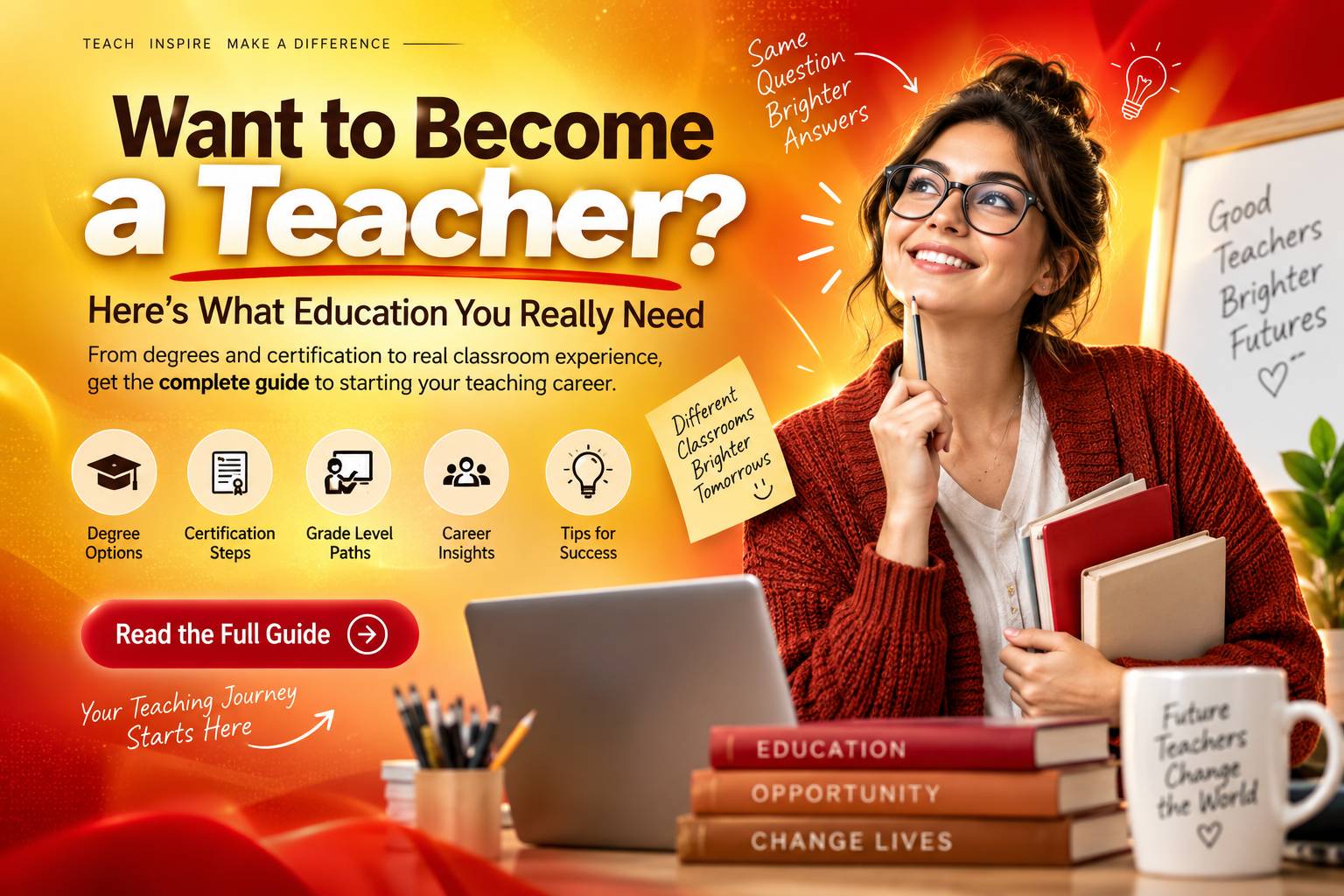
Wanting to become a teacher is one thing. Meeting the education and licensing requirements is another. Schools expect teachers to know their subject, understand how students learn, and handle the realities of a busy classroom. That makes the education path an important decision long before the first teaching job application is submitted.
So, What Education Is Needed To Become A Teacher? In the United States, most public school teachers start with a bachelor’s degree and then complete teacher preparation and state certification. The details aren’t identical everywhere. Your intended grade level, subject, and state can all change what’s required.
What Education Is Needed To Become A Teacher in the US?
For most aspiring teachers in U.S. public schools, the starting point is a bachelor’s degree. An education major is one common route, but it isn’t the only one. Someone who wants to teach history, for example, might earn a history degree and complete an approved teacher preparation program alongside or after the academic degree.
That distinction matters. Being highly knowledgeable about a subject doesn’t automatically prepare someone to teach it to a room full of students. Teachers need training in instructional methods, student development, assessment, classroom management, and lesson planning. They also need to learn how to adjust when students don’t respond to a lesson the way they expected.
Then comes classroom experience. Student teaching places candidates in a real school under the guidance of an experienced educator. It’s a different experience from sitting in a college classroom. Future teachers have to prepare lessons, work with students, assess learning, manage routines, and respond to problems as they happen.
A bachelor’s degree by itself usually isn’t enough for a public school teaching position. State licensing agencies set their own requirements, which can include examinations, approved preparation programs, background checks, and supervised teaching experience. Checking those rules before choosing a degree program can prevent an expensive detour later.
There’s also another option for people who already have a bachelor’s degree. Alternative certification programs can provide a route into teaching without requiring another traditional four-year education degree. These programs are often designed for career changers who already have useful subject knowledge and now need formal preparation for the classroom.
Teacher Education Requirements by Grade Level
The students you want to teach can change the education path considerably. Elementary teachers generally need broad preparation because they may teach reading, mathematics, science, and social studies to the same class. Their training often includes child development, literacy, mathematics instruction, assessment, and classroom management.
Secondary education tends to be more specialized. A future high school biology teacher, for instance, may study biology or a related field while completing the education coursework required for certification. The goal is to build strong subject expertise while developing the practical skills needed to teach adolescents.
Special education has additional demands. Teachers may support students with different learning, communication, behavioral, or developmental needs. Their preparation can include individualized education programs, differentiated instruction, accommodations, assessment, behavior support, and collaboration with families and specialists.
Pay can also matter when comparing teaching specializations. If you’re considering this route, special education teacher salaries can provide useful context, although actual earnings depend on factors such as location, experience, education level, school district, and assignment.
Middle school is another distinct teaching environment. Students are moving from elementary education toward more specialized subjects, while academic expectations and classroom dynamics can change quickly. For candidates considering this age group, middle school teacher salary information offers another useful point of comparison when researching potential career paths.
Salary, however, is only one part of the decision. The grade level, certification area, local demand, workload, and type of school can all affect whether a particular teaching position fits a candidate’s goals.
Teacher Certification, Student Teaching, and Job Requirements
Once the degree and preparation are in place, certification becomes the key step toward working in a public school. Each state sets its own licensing standards, so candidates need to check the requirements for the state where they intend to apply.
Some states require subject-area exams or teaching assessments. Others have specific coursework or preparation requirements. Background screening and supervised classroom experience may also be required. Knowing these conditions early helps candidates choose a degree or certification program that actually leads toward eligibility for the jobs they want.
Student teaching deserves particular attention because it tests classroom skills under real conditions. A carefully prepared lesson may need to change halfway through class. A student may need extra support, or a classroom routine may stop working. Those situations build practical judgment in a way that academic coursework alone can’t fully replicate.
A master’s degree usually isn’t necessary to start teaching if the candidate already meets the applicable degree, preparation, and certification requirements. Some educators pursue graduate study later to specialize, move into leadership, develop new skills, or qualify for salary advancement under a district’s compensation system.
The education path can also shape how teachers approach their work. Coursework and classroom experience expose candidates to different ideas about instruction, assessment, student independence, and classroom structure. Exploring teachers’ philosophy of education can help future educators consider these issues before developing their own teaching approach.
Technology is another practical part of modern teacher preparation. Digital assignments, learning platforms, online assessments, and interactive resources are now common in many classrooms. Teachers don’t need to use every new tool, but they should know how to select resources that support a lesson. Collections of educational websites for teachers can be useful when planning activities or looking for additional teaching materials.
Professional communication matters as well. Teachers work with students, parents, administrators, counselors, and colleagues throughout the school year. Clear explanations, active listening, and professional communication can make classroom responsibilities easier to manage and are skills that continue developing after certification.
Professional learning doesn’t end when a teaching license is issued. Curriculum standards, technology, and student needs continue to change, so educators often need ongoing training and development. For a little perspective during demanding periods, education quotes for teachers can offer simple reminders about the purpose and impact of the profession.
FAQ Teacher Education Requirements
1. What degree do you need to become a teacher?
Most public school teachers in the United States need a bachelor’s degree, but the exact degree requirements depend on the state, grade level, and subject. Candidates generally also complete an approved teacher preparation program and satisfy state licensing requirements. Some states offer alternative certification routes for people who already have a bachelor’s degree in another field.
2. Can you become a teacher without an education degree?
Yes. Many states allow people with bachelor’s degrees in subjects other than education to pursue alternative certification. These programs typically provide the teaching methods, classroom preparation, and supervised experience needed for certification. The specific eligibility rules, examinations, and requirements differ by state, so candidates should check the rules where they plan to teach.
3. Do teachers need a master’s degree to get a teaching job?
A master’s degree generally isn’t required to begin teaching in a U.S. public school when the candidate already meets the required bachelor’s degree, preparation, and certification standards. Graduate study can still be useful later for specialization, leadership opportunities, professional development, or salary advancement, depending on the state and school district.
The route into teaching is fairly straightforward once the requirements are separated into their main stages. Most candidates need a bachelor’s degree, appropriate teacher preparation, classroom experience, and the certification required by the state where they plan to work.
The right program depends on the subject, grade level, and location. A candidate who understands those requirements before enrolling can avoid unnecessary coursework and focus on qualifications that lead directly toward the teaching positions they’re targeting.