Info Hot Job Find your dream job! Get for jobs, post your resume, compare salaries and find career advice and research.
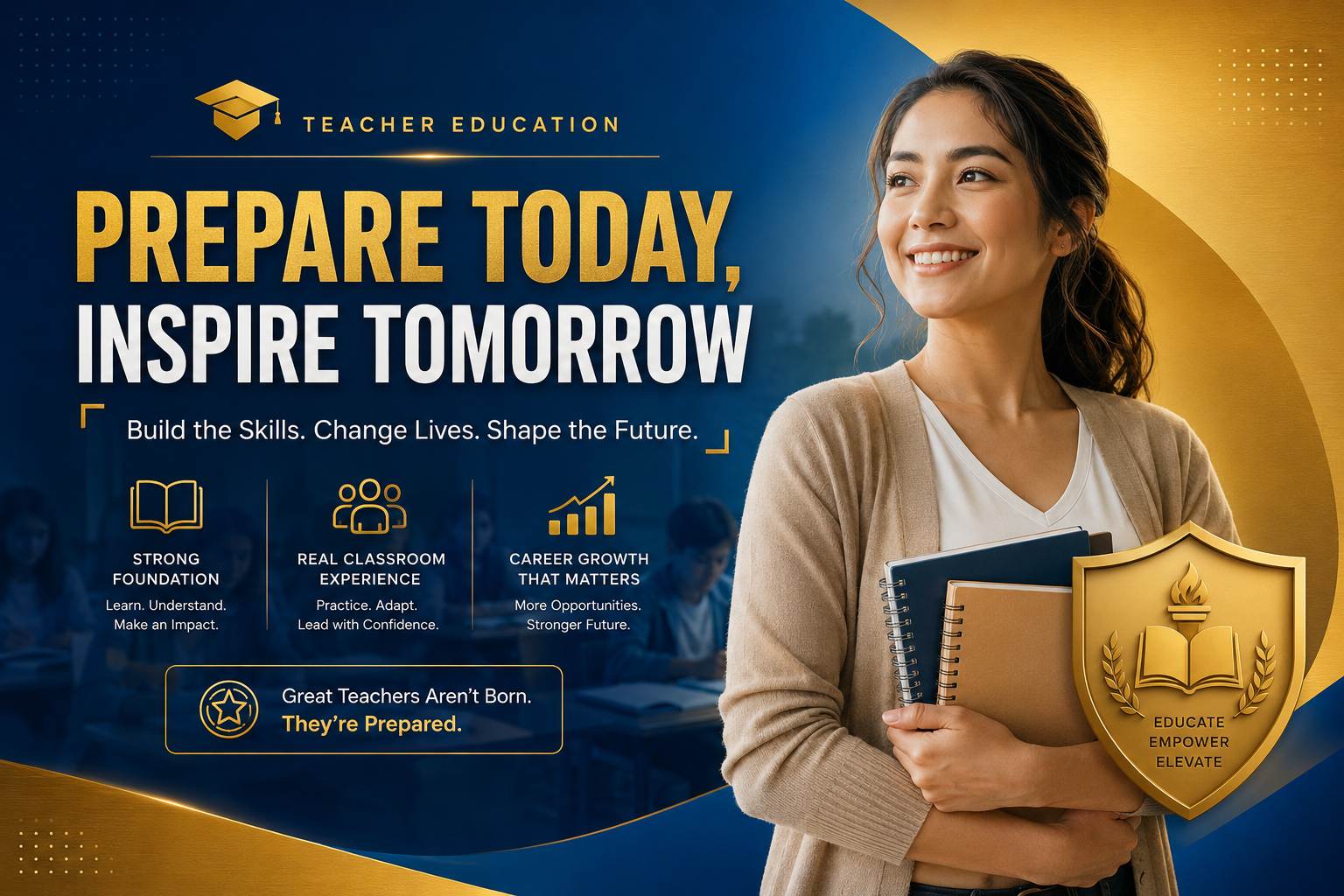
A great teacher doesn’t simply walk into a classroom and start delivering lessons. The strongest educators build their careers on preparation, practical experience, and a clear understanding of how students learn. That’s why Teacher Education remains one of the most important foundations for anyone who wants to turn teaching into a serious, sustainable profession.
The demand for capable educators continues to create opportunities across public schools, private institutions, special education programs, tutoring organizations, and alternative learning environments. Yet having a passion for teaching isn’t enough. Schools need professionals who can manage classrooms, adapt instruction, understand different learning needs, and make sound decisions when conditions change.
Why Teacher Education Matters for Teaching Jobs
Teacher Education gives aspiring educators more than academic knowledge. It develops the professional skills needed to handle the realities of classroom work, where no two students, lessons, or school days are exactly alike.
A well-prepared teacher needs to understand instructional planning, assessment, classroom management, educational psychology, and student development. These areas become especially important when teachers work with students who have different abilities, backgrounds, learning speeds, and behavioral needs.
The connection between education and employment is also becoming harder to ignore. Schools aren’t simply looking for someone who can explain a subject. They want teachers who can create effective learning environments and respond professionally when a lesson doesn’t go according to plan.
For candidates searching for education-related opportunities, exploring Teaching and Teacher Education opportunities can provide a broader view of the career paths available in this field.
Teacher Education Programs and Career Readiness
A strong Teacher Education program should prepare candidates for the classroom rather than focus solely on theory. Coursework matters, but practical exposure can make the difference between understanding a teaching method on paper and knowing how to use it with real students.
Student teaching, classroom observations, supervised practice, lesson planning, and assessment experience can help future educators develop professional judgment. These experiences also reveal whether someone is genuinely prepared for the pace and responsibility of teaching.
The best preparation connects educational theory with actual school challenges. A future teacher may learn about differentiated instruction, for example, but the real test comes when a classroom contains students with significantly different academic needs.
That practical foundation explains why a Teacher Education program can be the real foundation of future-ready schools. Better preparation doesn’t guarantee an easy career, but it can make educators more capable of handling difficult situations without losing sight of student outcomes.
Teacher Education Skills Employers Look For
Employers often evaluate more than degrees and certifications when considering teaching candidates. Communication, adaptability, organization, collaboration, and classroom leadership can strongly influence whether a candidate succeeds after being hired.
Technology has also changed what teachers need to know. Digital learning platforms, online assessments, classroom software, and educational technology are now part of many teaching environments. Teachers don’t necessarily need to become technology specialists, but they should be comfortable using tools that improve instruction rather than complicate it.
Another important area is inclusive education. Teachers may work with students who require additional academic, behavioral, or developmental support. Understanding how to adapt instruction and collaborate with specialists can make a teacher considerably more effective.
This broader approach is reflected in discussions about Teacher Education and building future-ready educators, where adaptability becomes just as important as traditional teaching knowledge.
Special Education and Other Teacher Education Career Paths
Not every teaching career follows the same route. Some educators choose elementary or secondary classrooms, while others specialize in special education, behavioral services, early childhood education, adult learning, or vocational instruction.
Special education can be particularly demanding because teachers often need to combine instructional strategies with individualized support. Patience matters, but so do technical knowledge, documentation skills, communication, and collaboration with families and other professionals.
Job opportunities can also vary significantly by location and specialization. A Teacher Education background may open doors to positions that require specialized credentials or experience, particularly when schools face challenges recruiting qualified educators.
For example, candidates interested in specialized teaching roles can examine opportunities such as a Special Education Teacher position in Christiansted, VI to see how education, behavioral support, and classroom responsibilities can intersect in an actual job setting.
From Teacher Education to Long-Term Career Growth
Getting the first teaching job is only one stage of a professional education career. Teachers can continue developing through advanced certifications, professional development, graduate study, leadership responsibilities, or specialization in a particular subject or student population.
Career growth also depends on staying relevant. Educational practices change, technology evolves, and student needs shift. A teacher who treats professional development as an ongoing process is better positioned to remain effective over the long term.
Past teaching opportunities also show how varied the market can be. Positions such as the Envision Education Teacher opportunity in Oakland illustrate how teaching roles can differ according to school model, location, student population, and institutional expectations.
For educators already working in the field, professional resources can also support everyday classroom needs. Practical materials and teacher-focused resources are available through the Teacher Shop, offering another avenue for educators looking to strengthen their teaching environment.
FAQ Teacher Education Careers
1. Is Teacher Education required to become a teacher?
Requirements vary by location, school type, and teaching position. Many traditional public-school teaching roles require an approved teacher preparation program, appropriate certification, and other state-specific qualifications. Private schools and specialized institutions may have different standards, so candidates should always check the requirements attached to the specific position.
2. What careers can I pursue with a Teacher Education background?
A Teacher Education background can support several education-related career paths, including classroom teaching, special education, instructional support, tutoring, curriculum development, educational administration, and other learning-focused roles. The available options depend on your degree level, certification, subject specialization, professional experience, and the requirements of the employer.
3. How can I make my Teacher Education degree more valuable to employers?
Practical classroom experience, relevant certifications, technology skills, and experience working with diverse learners can strengthen a candidate’s profile. Employers may also value strong communication, classroom-management ability, assessment skills, and evidence that a teacher can adapt instruction to meet different student needs.
Teacher Education is more than a pathway into a classroom; it is the professional foundation that helps educators build competence, confidence, and long-term career value. As schools continue to look for teachers who can combine subject knowledge with adaptability, communication, and practical classroom skills, candidates with strong preparation are better positioned to compete for meaningful teaching opportunities and grow within the education profession.